If you’ve ever stood in an auto body shop, watched a framer hang cabinetry, or seen a hobbyist assemble a custom model kit, chances are you’ve grabbed a roll of double sided tape off a shelf. But if you’re like the small business owners and tradespeople who reach out to our team every week, you might have paused mid-aisle and wondered: is regular double sided tape the same as heavy-duty? The short answer is no—but the why behind the difference isn’t just marketing jargon. As a double sided tape supplier who’s worked with contractors, manufacturers, and DIYers for over a decade, I’ve seen how choosing the wrong type can turn a quick install into a nightmare, or a long-term bond into a costly repair. Today, I’m breaking down the real, practical differences between these two types, so you can pick what works for your project. Double Sided Tapes
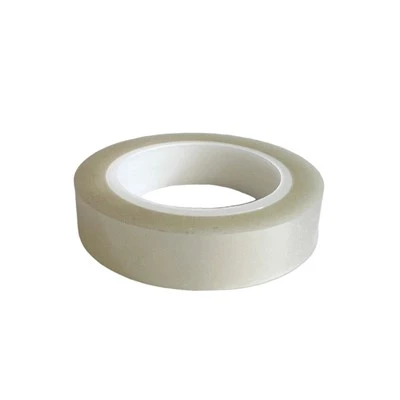
First, let’s start with the basics no one talks about: the adhesive layer. That’s the backbone of any double sided tape, and it’s where regular and heavy-duty versions diverge most. Regular double sided tapes (sometimes called general-purpose tapes) typically use an acrylic or rubber-based adhesive formulated for light, temporary bonds. Think of sticking photo frames to drywall, mounting a lightweight shelf to a tile backsplash, or adhering paper to a poster board. The adhesive here is soft, with a lower peel strength—usually around 10 to 20 pounds per inch (psi) on average. That means it’s easy to peel off without leaving residue, which is why it’s popular for renters or temporary displays. But that softness is a weakness: heat, humidity, or even a heavy bump can soften the adhesive further, causing it to lose grip over time. I once had a customer call me in a panic last year because he used a roll of “all-purpose” tape to mount a outdoor metal sign above his shop door. By the end of the first summer, the sign had sagged halfway down the wall— the heat had melted the regular adhesive, and the sign nearly blew off in a small gust of wind. That’s the kind of mistake heavy-duty tape is built to prevent.
Heavy-duty double sided tape, by contrast, uses a cross-linked acrylic adhesive (sometimes called structural adhesive) with a much higher bond strength—usually 30 to 80 psi, depending on the product. This adhesive is formulated to withstand extreme temperatures, UV exposure, and heavy loads, because it’s designed for permanent, structural bonds. Unlike the soft, removable adhesive on regular tape, heavy-duty adhesive is firm enough to hold 50 or 100 pounds of weight without stretching or failing. I had another customer, a cabinet maker, switch to our heavy-duty tape two years ago after spending $12,000 repairing cabinets that had fallen off a customer’s wall. He told me he’d been using regular tape because it was cheaper, but when the customer moved, the cabinets pulled away from the drywall, leaving holes and cracked laminate. Since switching, he hasn’t had a single callback for bond failures—proof that adhesive formula alone makes the two types worlds apart.
Next up is the backing material, which acts as the middle layer between the two adhesive sides and plays a huge role in how the tape performs. Regular double sided tape almost always uses a thin, flexible backing—usually paper, polyester film, or foam that’s less than 10 millimeters thick. This backing is designed to conform to smooth, flat surfaces, which makes regular tape great for temporary indoor jobs. But it’s too thin and inflexible for uneven or rough surfaces, and it can tear or stretch if you’re applying it to something with texture, like brick or concrete. Plus, that thin backing offers no cushioning between the two surfaces being bonded, which means it can’t absorb vibration or small shifts. A perfect example of this is a DIYer I worked with who tried to use regular tape to stick a metal vent cover to a duct. The duct has minor imperfections and moves a little when the HVAC turns on. The thin backing couldn’t absorb that vibration, so the vent wiggled loose within a month.
Heavy-duty double sided tape uses a thicker, more rigid backing—often 10 millimeters or more, made of closed-cell foam, fiberglass, or cross-linked polyethylene. This backing isn’t just stiffer; it’s engineered for durability. Foam backings, for instance, compress slightly to fill in small gaps between uneven surfaces (like a slightly warped metal bracket or a textured tile), creating a uniform bond. Fiberglass backings add tensile strength, so the tape can pull instead of tear when under load. That extra thickness also provides cushioning: for that same HVAC vent, a heavy-duty foam-backed tape would absorb the small vibrations from the duct, keeping the vent secure. I’ve seen heavy-duty tape used to mount everything from solar panels to heavy mirrors, where the backing’s rigidity and shock absorption prevent movement that would weaken a regular tape bond over time.
Then there’s environmental resistance, which is a make-or-break difference for projects exposed to the elements or extreme conditions. Regular double sided tape is mostly designed for indoor, climate-controlled environments. Its adhesive and backing break down when exposed to UV light, high humidity, or temperatures above 120°F or below 32°F. Leave regular tape on an outdoor sign for a month, and the sun will turn the adhesive brittle, so it peels off in chunks. Submerge it in water, and the adhesive will lose grip, even if the surface was dry when you applied it. That’s why I always tell contractors: if your project is going outside, even for a week, skip regular tape.
Heavy-duty double sided tape, though, is formulated for long-term exposure to harsh conditions. The adhesive is UV-stabilized, so it doesn’t break down in sunlight, and it’s water-resistant—even submersible, in some cases. The backing is often waterproof too, so it doesn’t swell or degrade in high humidity. Some heavy-duty tapes can withstand temperatures from -40°F to 200°F, making them perfect for everything from freezer door seals to rooftop signage. Last year, I supplied a roll of our heavy-duty marine-grade double sided tape to a boat repair shop, where they used it to mount aluminum trim to a hull. The shop owner told me the trim has stayed secure through rough seas, saltwater exposure, and both freezing winters and scorching summers—something regular tape would never survive.
Now, let’s talk about load capacity, which is where a lot of people get tripped up. Regular double sided tape is marketed as supporting “light to medium” loads, but what that actually means is 5 to 15 pounds per square inch. That’s enough for a small photo frame or a set of shelves holding a few books, but it’s nowhere near enough for heavy items. Even if you apply it perfectly, regular tape can’t distribute weight evenly, so it will fail at the edge first—especially if the surface is uneven. I once had a customer try to use regular tape to mount a 50-pound TV to a drywall wall. The TV fell, and the screen cracked—all because he didn’t realize the load capacity was too low. He used screws after that, but when I showed him our heavy-duty tape’s 60 psi load capacity, he told me he’d use it for his next TV install, since it’s invisible compared to mounting brackets.
Heavy-duty double sided tape, by comparison, can support 30 to 100 psi or more, depending on the product. That means it can hold a 50-pound TV, a set of kitchen cabinets, or even a small vehicle body panel without struggling. The thicker backing distributes the weight evenly across the bond, so there’s no weak edge to pull away. But it’s not just about static weight: heavy-duty tape can also handle dynamic loads, like the vibration from a HVAC system or the wind on a sign. That’s a key point for anyone working on projects that aren’t static—regular tape might hold up for a static load, but dynamic movement will cause it to fail.
I also can’t mention a difference without talking about application, since even the best tape won’t work if applied wrong. Regular double sided tape is easy to work with: it’s thin, easy to cut with a utility knife, and has a low-tack release liner that peels off quickly. It’s perfect for DIYers who might not have specialized tools. Heavy-duty tape, though, is thicker and has a release liner that’s often reinforced, so it takes a little more force to peel off. You also need to clean the surface thoroughly before applying heavy-duty tape—any dust, grease, or paint residue will weaken the bond. I always remind customers to use rubbing alcohol to clean surfaces before applying heavy-duty tape, whereas regular tape can often stick to slightly dirtier surfaces because its soft adhesive can fill in small imperfections.
So, when do you use which? Let’s break it down simply: use regular double sided tape for indoor, light, temporary jobs—like mounting posters, hanging a small clock, or adhering craft materials. Use heavy-duty double sided tape for permanent, heavy, or outdoor jobs—like mounting cabinets, exterior signs, solar panels, or vehicle parts. But there’s a middle ground too: some medium-duty tapes sit between the two, but for most projects, picking the right one comes down to load, environment, and permanence.
I’ve been in this industry long enough to see both the convenience of regular tape and the value of heavy-duty tape. The biggest mistake I see new contractors and DIYers make is assuming all double sided tape is the same—they grab the cheapest roll, only to end up fixing a bond that failed a few weeks later. That’s why we take the time to explain the differences to every customer who reaches out. Whether you’re a homeowner working on a weekend project, a contractor looking to cut down on callback costs, or a manufacturer needing a reliable bond for your products, there’s a double sided tape that fits your needs.
If you’re unsure which type is right for your project—whether it’s mounting a mirror, installing a metal facade, or assembling a custom product—don’t guess. We’re here to help you pick the right tape, no jargon, no upsells. Reach out to our team to discuss your needs, and we’ll point you to the perfect product for your job.
Double Sided Tapes References
Adhesive Tape Manufacturers Association. (2022). Technical Handbook for Double Sided Tapes: Adhesive Formulations and Performance Standards.
ASTM International. (2021). Standard Test Methods for Peel Adhesion of Pressure-Sensitive Tapes.
Tape and Label Manufacturers Institute. (2023). Heavy-Duty Pressure-Sensitive Tapes: Backing Materials and Environmental Resistance.
Jiangsu Jinjiayi Electronic New Materials Co., Ltd.
With abundant experience, we are one of the most reliable double sided tapes manufacturers and suppliers in China. We warmly welcome you to buy bulk double sided tapes in stock here and get quotation from our factory. Customized orders are welcome.
Address: No. 3 Taihu West Road, Changshu-Sihong Industrial Park, Sihong County, Jiangsu Province
E-mail: cshxdz@163.com
WebSite: https://www.jjyelec.com/
