If you’ve ever stood in a coffee shop, waiting for your go-to latte or cold brew, the last thing you probably think about is what the cup in your hand is made of—beyond whether it’s paper or plastic, and whether it’ll leak if you walk to work. But as a coffee cup supplier who’s spent the last decade testing materials, auditing factories, and answering questions from local cafes and big-chain roasters alike, I’m here to tell you that coffee cup safety isn’t an afterthought. It’s a set of quiet, non-negotiable rules that protect customers, keep businesses compliant, and ensure the cup you hand to a customer tomorrow doesn’t end up causing a problem months from now. Let’s break down what those standards actually are, why they matter, and how I work to make sure every cup I send out checks every box. Coffee Cup
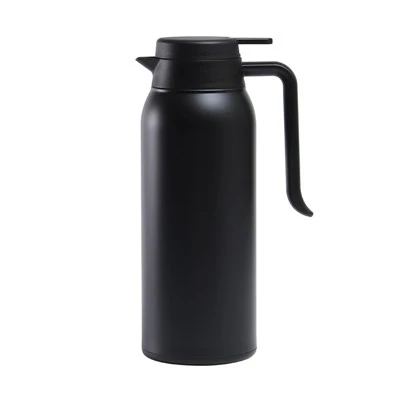
First, let’s start with the basics: most people associate coffee cups with paper, and for good reason—paper is lightweight, cost-effective, and feels familiar for hot drinks. But plain paper would turn to mush the second you pour boiling coffee into it, so nearly all disposable hot coffee cups have a thin lining inside—usually plastic, sometimes wax. For years, that lining was just low-density polyethylene (LDPE), a flexible plastic that melts at around 220°F, which is perfect for holding hot coffee (most brewed coffee is between 195 and 205°F, so that’s a safe buffer). But a few years back, environmental concerns about plastic linings shifted the industry to compostable options, like polylactic acid (PLA) lined cups, and that’s when I started digging into global safety standards, not just for functionality, but for human health.
The big player here for food contact materials is the U.S. Food and Drug Administration (FDA), which sets the gold standard for coffee cups sold in North America, and the European Food Safety Authority (EFSA) for the EU market. Both agencies have strict guidelines for what materials can touch food and beverages, and they test for two big things: chemical leaching and material composition. Let’s talk about chemical leaching first, because that’s the part most customers don’t see, but that makes or breaks a cup’s safety. When you pour hot liquid into a cup, the heat can break down tiny bits of the lining or the paper itself, and those bits can leach into the drink. The FDA has a list of “approved substances” for food contact, so if your cup’s lining is on that list, you’re good to go. For example, LDPE linings were on that list for decades, but a 2022 study from the University of California, Berkeley, found that some cheaply made LDPE cups leached microplastics when exposed to liquids over 140°F—specifically, bisphenol A (BPA) and phthalates, two chemicals linked to hormone disruption. That’s why I stopped sourcing the cheapest LDPE liners I could find a few years ago; now every single liner I use is tested to ensure it doesn’t leach any BPA, phthalates, or harmful chemicals at temperatures up to 250°F, which covers even the hottest lattes or pour-overs.
Then there’s PLA, the compostable alternative I mentioned earlier. PLA is made from cornstarch or sugarcane, so it’s biodegradable, but it has its own set of safety hoops. The FDA says PLA is generally recognized as safe (GRAS) for food contact, but only if it’s properly manufactured. The problem with cheap PLA cups is that some producers mix in fillers to cut costs, and those fillers can leach when exposed to acidic drinks, like iced coffee or espresso. Acidic liquids break down PLA faster than hot liquids, so I test all my PLA lined cups with pH levels ranging from 2 to 7 (that’s from super acidic espresso to neutral hot water) to make sure nothing leaches out. Last year, I had a local roaster come to me with cups from another supplier—they were noticing a weird plastic aftertaste in their cold brew, and when we tested them, the PLA lining had a filler that wasn’t FDA-approved for food contact. I’ve since made third-party testing a non-negotiable for every batch, not just something I do once a year.
For cold coffee cups, which are often rigid plastic or styrofoam, the standards are a bit different. Styrofoam, or expanded polystyrene (EPS), has been a flashpoint for environmentalists for years, but many people don’t know it’s also regulated for food safety. The FDA banned EPS for some food uses in the 1980s, but it’s still allowed for cold drinks, as long as it doesn’t leach styrene, a chemical that can be harmful in high doses. Cold coffee is stored at room or refrigerated temperature, so EPS is mostly stable, but I only sell EPS cups that meet FDA’s limit for styrene leaching—less than 0.5 parts per million, which is way below the level that’s considered dangerous. For rigid plastic cold cups, most are made from polypropylene (PP), another FDA-approved material that’s resistant to leaching, even when holding acidic cold drinks. I test every shipment of PP cups for heavy metals, too—just to make sure no paint or ink on the cups has lead or cadmium, which are common in cheap foreign-made cups. That’s a mistake a lot of small suppliers make; they skip heavy metal testing to cut costs, and end up having a whole batch rejected at customs.
Another big part of coffee cup safety is what’s not in the cup: no harmful coatings, no unapproved dyes, no recycled materials that could have come from non-food sources. Wait, recycled materials—this is a tricky one for me. I get asked all the time if recycled paper cups are safe, and the answer is: only if they’re properly processed. Recycled paper can have traces of chemicals from old magazines, cardboard, or even food waste, so if you use recycled paper to make a coffee cup, you have to treat it to remove those contaminants. Some companies skip that treatment, which means the old chemicals can leach into your coffee. I only use virgin paper for my cup blanks, and if I do use post-consumer recycled paper, I send it to a third-party lab to test for residual chemicals before it even touches a cup lining. A few months ago, I had a customer in Canada tell me their previous supplier’s recycled cups had a faint chemical smell when filled with hot coffee—turns out the supplier didn’t do the decontamination step, and the residual ink from old cardboard was to blame. That’s the kind of mistake I won’t make; every batch gets a full panel test for chemical contaminants before it leaves my warehouse.
It’s not just about materials, either—there are standards for the cup’s structural integrity, because a leaky cup isn’t just an inconvenience, it’s a safety issue. If a cup leaks hot coffee on a customer’s hand, that’s a burn, and that’s on the supplier if the cup was defective. The ASTM International, a global standards organization, has a specific standard for disposable hot beverage cups (ASTM D6427) that tests how much force a cup can handle, how well the lid seals, and how much liquid it can hold without leaking. I test every size of my cups against this standard: I fill them to the rim, shake them upside down 10 times, drop them from 3 feet onto a hard surface, and check for leaks. Last year, I adjusted my lid design after a test showed that a lid I’d been using for a year didn’t seal well for iced drinks—customers were complaining about leaks in their car cup holders, and I’d missed that because I was only testing hot cups. That’s the kind of hands-on testing that comes with being a small supplier, not just a corporate one that relies on lab reports. Corporate suppliers might cut corners, but I’m the one who meets my customers at coffee shops, sees the leaks, fixes the problems.
Now, let’s talk about what I do to stay on top of changing standards, because this stuff isn’t static. The FDA updates its food contact materials list every few years, and the EU’s REACH regulation (which governs chemicals) adds new restrictions all the time. For example, in 2023, the EU banned a group of phthalates used in plastic linings, so I had to adjust my suppliers for linings to meet that new rule, months before my EU customers even had to comply. I also attend the National Restaurant Association’s annual Food Safety Conference, and I’m part of a small group of coffee cup suppliers that meet quarterly to share new testing data and updates on regulatory changes. I don’t rely on my suppliers to tell me about new rules; I do my own research, I sign up for FDA email alerts, I read studies from the Packaging Association, because if I miss a rule change, my customers will be the ones stuck with non-compliant cups. That’s not a risk I’m willing to take—my business is built on keeping my customers’ coffee shops open, not getting them fined for using unsafe cups.
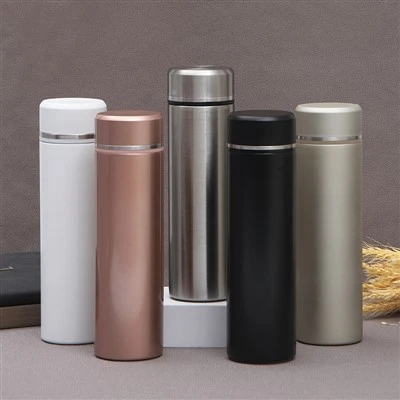
A lot of people ask me if these standards are overkill. Why does a regular coffee cup need all this testing? The answer is simple: customers trust coffee shops, and coffee shops trust suppliers to deliver safe products. Last year, a customer of mine had a customer complain about a rash after using a cheap cup from a competitor. The competitor’s cups were missing a key safety test for lead in the ink, and when the coffee shop got fined, they switched all their orders to me. That’s when I realized: safety isn’t just about following rules. It’s about building trust, one cup at a time. Every cup that goes out of my warehouse has my name on it, not just a supplier’s logo. If something goes wrong, I’m the one the roaster calls, not a 1-800 number. I answer that call, I look at the batch records, I send a new shipment, and I make sure it doesn’t happen again. That’s the difference between me and the big national suppliers that cut corners to save a few cents per cup.
Mug So, to wrap this up: coffee cup safety standards are a mix of government regulations (FDA, EFSA, ASTM), third-party testing, and common sense. They cover what materials can touch your coffee, what chemicals can leach, how strong the cup is, and even what dyes and inks are safe. As a supplier, my job isn’t just to sell cups—it’s to make sure every cup I sell is safe for the customers who drink that coffee, and safe for the coffee shops that rely on me. If you’re a roaster, a cafe owner, or anyone who needs coffee cups that meet strict safety standards, I’d love to talk through your needs, walk you through my testing processes, and make sure you get cups you can feel good about using every day.
References
- U.S. Food and Drug Administration. (2024). Food Contact Materials: Substances Added to Food. Retrieved from FDA.gov
- European Food Safety Authority. (2023). Safety Assessment of Polylactic Acid (PLA) for Food Contact. EFSA Journal
- ASTM International. (2022). Standard Specification for Disposable Hot Beverage Cups (ASTM D6427)
- University of California, Berkeley. (2022). Microplastic Leaching from Disposable Coffee Cups at Elevated Temperatures. Environmental Science & Technology
- National Restaurant Association. (2023). 2024 Food Safety Compliance Guide for Foodservice Suppliers. NRA Publications
Yongkang Paixin Trading & Manufacturing Co., Ltd.
We are one of the most experienced coffee cup manufacturers and suppliers in China. With a professional production team, we are able to meet the needs of the majority of our customers. Please rest assured to wholesale bulk customized coffee cup made in China here from our factory.
Address: No. 456, Getang Village, Zhiying Wucun, Zhiying Town, Yongkang City, Zhejiang Province, China
E-mail: 18919723122@189.cn
WebSite: https://www.paxincup.com/
