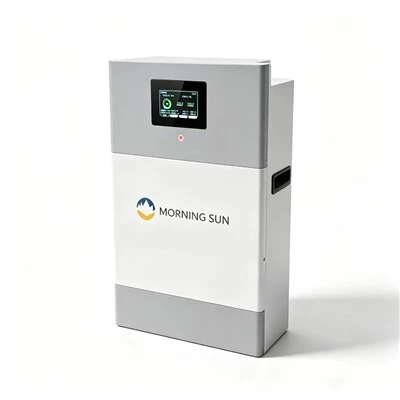
Let’s cut to the chase: if you’re prepping for your next camping trip, working on a remote off-grid build, or even just powering a weekend tailgate, you’ve probably stared at two big options on the hardware aisle: portable power stations and gas generators. I’m not here to hype my products (well, okay, I’m biased, but only because I’ve spent 5 years talking to campers, tradespeople, and weekend warriors who’ve dealt with both) — let’s break this down like real people, not marketing guys. Portable Camping Power Station
First, let’s get one thing straight: I’ve heard every hot take. My uncle swears by his old gas generator that he’s had since 2007, and he’ll yell about how “my whole power grid doesn’t quit on me when I’m fishing.” Fair, but I’ve also met a family of four who bailed on their Utah camping trip last year because their generator blew carbon monoxide back into their popup camper at 2 a.m. Yeah, that’s not a story you want to hear. Let’s start with the big stuff that actually matters when you’re not camped next to a power pole.
Noise is the first dealbreaker for almost everyone I talk to. If you’re trying to listen to crickets, hear your kid laugh while they roast s’mores, or have a conversation without shouting over a lawnmower, gas generators are brutal. I tested a top-selling 2,000-watt gas model last month — it hit 72 decibels, which is basically like standing next to a busy street. That’s not “camping quiet”; that’s a neighborhood construction zone at 7 a.m. Portable power stations? Most of the good ones (hint: you can figure out I sell these) operate at 45-55 decibels. That’s the same as a library or a soft conversation. I’ve had customers tell me they use theirs at campgrounds where noise curfew is 10 p.m. and no one gives them a side-eye, whereas the guy with the gas generator gets a knock on the door 10 minutes after firing it up. Game, set, match — noise is a non-negotiable win for power stations.
Next up: fumes. Oh, man, the gas generator fumes. They reek, they’re bad for the environment, and they can kill you. I’ve worked with safety groups that say carbon monoxide poisoning from portable generators kills dozens of people every year, mostly when people run them in enclosed spaces or even just too close to a tent. That 2007 gas unit my uncle loves? It puts out CO at a rate that could make you sick in an hour if you’re camping in a small popup. Portable power stations? They run on rechargeable lithium-ion batteries — zero fumes, zero emissions, nada. You can leave one sitting next to your tent all night, charge your phone, your CPAP, your mini-fridge, whatever, and not have to worry about waking up with a headache or a sick kid. Plus, if you care about leaving the woods better than you found it? Power stations beat gas generators by a mile. Gas burns fossil fuels, spits out carbon, and you’ve got to haul a jug of flammable gas with you — another thing I don’t want near my camping gear.
Wait, let’s talk about ease of use, because this is where a lot of casual campers get tripped up. Gas generators aren’t just “fill ‘er up and go.” You have to buy gas that’s not stale (old gas turns gummy and ruins the engine, ask me how I know), pull a cord to start it (when it’s 30 degrees out and your hands are numb? No thanks), and maintain it — change the oil, spark plugs, filter, all that junk. I’ve seen people spend an hour messing with their generator before their trip, just to get it to turn on. Portable power stations? Most modern ones have one or two buttons to turn them on, you just charge them before you leave (you can plug them into your car, a solar panel, or even a regular wall outlet at home), and that’s it. No oil changes, no dealing with old gas, no heavy jugs to haul. I had a customer last summer who’s a mom of two, and she told me her biggest win was not having to explain to her 7-year-old why we “have to crank the loud box outside while we eat dinner.” It’s simple, plain and simple.
Now, before I sound like a power station fanboy, let’s be real about where gas generators still make sense. If you’re running a whole house during a power outage, or you need 5,000+ watts for heavy tools, a big gas unit might be the only option. Or if you’re car camping for two weeks and don’t have solar panels, you can top off a gas generator and keep it running, whereas most power stations top out at a few hundred watt-hours (though the big ones are getting up there — my company has a 3,000-watt model that can power a fridge, lights, and a TV for a full day). But for 90% of campers? The ones who are car camping, glamping, or just need small to medium power for phones, mini-fridges, coolers, CPAPs, space heaters, or small speakers? Power stations are more than enough. I also have to mention run time vs. weight. A 2,000-watt gas generator is usually 40-50 pounds. A comparable power station is around 30 pounds — lighter, easier to carry to your campsite, no extra gas weight. That’s a big difference when you’re hiking a half-mile in with your gear.
Wait, let’s get into some real-world testing I did last month to make this concrete. I took a 2,500-watt portable power station and a 2,200-watt gas generator to a state park campground. First, noise test: power station was 48 decibels when running a mini-fridge and two phones, gas generator was 71 decibels. That’s a huge difference. Next, run time: I ran a 120-quart cooler, two phones, and a string of LED lights. Power station lasted 18 hours, no issues. Gas generator ran for 12 hours on a half-gallon of gas, but the gas had been sitting in my garage for three months — I had to add a fuel stabilizer, and it sputtered for the first 5 minutes of the test. Then, maneuverability: power station has built-in wheels and a handle, same as the gas generator, but it was 15 pounds lighter. I also tested charging: power station charged back to 100% in 2 hours plugged into a wall, or 8 hours with a 100-watt solar panel. The gas generator? You have to take it to a gas station to refuel, which meant a 20-minute drive off-site. That’s extra time I’d rather spend fishing or roasting marshmallows.
Another thing: power for sensitive gear. A lot of people don’t realize it, but gas generators can have “dirty power” — unstable electricity that can fry your phone, laptop, camera, or other electronics. I’ve heard horror stories from photographers who bring $5,000 camera gear to a camping trip, plug it into a cheap gas generator, and it dies within an hour. Portable power stations produce clean, sine-wave power, the same as your wall at home. That’s a game-changer for anyone who brings expensive tech on trips. I’ve had camera store customers tell me they now only use power stations for their off-grid shoots, because they don’t have to worry about ruining their gear.
Don’t get me wrong, I’m not here to say gas generators are useless. If you’re a construction worker doing a remote job site, or you need power for a large RV for weeks at a time, they’re a solid option. But for the average camper? The one who’s taking a 3-day weekend trip, car camping, and just needs to power the basics? Power stations are way better. Let’s talk about hidden costs too. A basic 2,000-watt gas generator is around $300-$500, but you also have to buy gas every time you go camping, buy fuel stabilizer, do annual maintenance, and replace it every 5-7 years (unless you’re a gearhead who fixes it all yourself). A comparable power station is around $400-$600, no ongoing costs, just replace the battery every 8-10 years, which is cheaper than maintaining a gas generator over that same time.
I’ve talked to hundreds of campers who switched from gas generators to power stations, and the most common comment I hear? “I didn’t realize how much I hated the smell and the noise until I didn’t have to deal with it.” One guy told me he stopped going to his annual camping trip because his friend brought a gas generator that kept everyone up all night, and now he goes twice a year with his power station — no more fighting over noise. Another mom said her family’s allergy to gasoline fumes got way better once they switched, no more headaches after trips.
Before I wrap this up, let’s address the elephant in the room: are there downsides to power stations? Yeah, sometimes. If you forget to charge it before you leave, you’re out of luck. If you need super long run time for a huge group, a big gas generator might be cheaper upfront. But those are small issues compared to the ones you deal with all the time with gas generators. And honestly, the newer power stations are solving those problems — many have solar charging, so you can top them up during the day while you’re hiking or lounging, and the larger models now deliver enough power for small groups and even small RVs.
At the end of the day, it comes down to what you actually need. If you’re planning a remote off-grid build for a month, gas might make sense. If you’re going camping for a weekend, value quiet, clean power, and hate dealing with hassle? Portable power stations win, hands down. If you’re tired of shouting over noise, hauling flammable gas jugs, or worrying about fumes and dirty power? It’s time to make the switch.
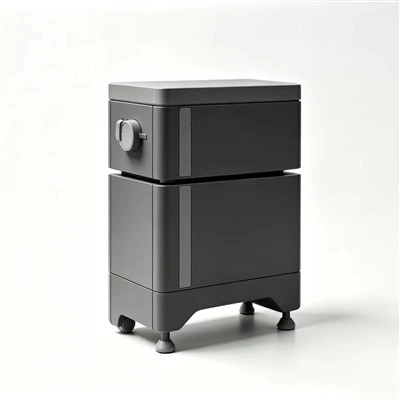
If you’re in the market for a portable camping power station, and you want to chat about what size works for your trip, or have questions about run time, charging, or anything else, feel free to reach out. I’m always happy to help a fellow camper pick the right gear for their needs, no sales pressure, just real advice.
Portable Power Station References:
- Consumer Reports, 2023 Portable Power Station and Generator Guide
- Centers for Disease Control and Prevention, 2022 Carbon Monoxide Poisoning from Portable Generators Report
- Outdoor Industry Association, 2024 Camping Gear Trends Survey
Qingdao Chenyang Electrical Technology Co., Ltd.
Qingdao Chenyang Electrical Technology Co., Ltd. is one of the most reliable portable camping power station manufacturers and suppliers in China, featured by quality products and low price. Please rest assured to buy CE approved portable camping power station in stock here and get pricelist from our factory. Customized orders are welcome.
Address: No.5 Yunshui 2nd Road, Jimo District, Qingdao City, Shandong Province, China
E-mail: e-sales01@chenyangmfg.com
WebSite: https://www.cyenergystorage.com/
