If you’ve ever walked into a home improvement store, stared at a stack of interior wall fiberglass mesh rolls, and wondered why some are tiny, some are massive, and none seem to match what you saw online, you’re not alone. As someone who’s been supplying interior wall fiberglass mesh for the better part of a decade, I get this question all the time—usually from homeowners trying to calculate how much they need, or contractors who’ve spent too much time running back to grab extra rolls mid-job. Let’s break down the standard roll size, why it matters, and what you actually need to know before hitting “add to cart.” Interior Wall Fiberglass Mesh
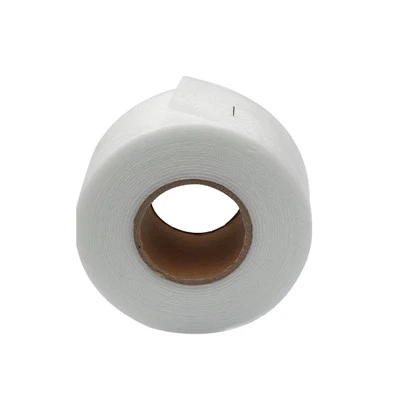
First off, let’s skip the jargon for a sec. Interior wall fiberglass mesh isn’t just some random fabric; it’s the stuff that stops cracks from popping up in your drywall, plaster, or joint compound. You use it over seams, around window and door frames, or to patch small holes that keep coming back. Now, roll sizes aren’t pulled out of thin air—they’re based on what’s practical for how people use this stuff. The most common standard roll size in the U.S. (which is where most of our clients are) is 50 yards long and 2 feet wide. Yeah, that’s 150 feet by 24 inches. Wait, I know that sounds huge, but hear me out. For pros, that’s the sweet spot: it’s not so small you’re constantly reloading your utility knife or measuring new lengths, and not so big it’s awkward to haul around a job site. For DIYers? It’s also a solid pick because buying a single 50yd roll means you don’t have to shop again halfway through patching your bedroom walls and the hallway.
But here’s the thing—“standard” doesn’t mean there’s only one size. I’ve seen a lot of people get confused because some brands sell smaller rolls, and some folks swear by those. Let’s talk about the alternatives. You’ve got mini rolls, usually 10 yards long and 1 foot wide. Those are great for tiny DIY jobs, like patching a 2-inch hole in a bathroom wall. I get why they’re popular—they’re cheap, easy to tuck into a toolbox. But if you’re doing a whole room, buying three mini rolls is way more expensive per yard than a standard 50yd roll, and you’ll waste so much time cutting up the smaller pieces. No one’s got time for that. Then there are bulk rolls, which are sometimes 100 yards or more, usually for big commercial jobs. But unless you’re a contractor with multiple crews, that’s overkill—you’ll end up with a ton of mesh going stale in your garage, and fiberglass mesh does have a shelf life (more on that later).
Wait, why 2 feet wide and 50 yards? Let’s get into the science a little, since that’s what makes it a standard. First, the width: most drywall panels are 4 feet wide, so when you’re taping the vertical seams between two sheets, a 2-foot wide mesh covers the seam perfectly on both sides. If it’s narrower, you’ll have to overlap more, which can create bumps in the joint compound. If it’s wider, it’s harder to press into the compound without getting wrinkles. As for the length: 50 yards is enough to cover roughly 1,200 square feet of wall area. That’s enough for a 10×12 room, plus a hallway and a small closet—ideal for a weekend project or a small job. It’s also manageable in terms of packaging; a 50yd roll isn’t so heavy that one person can’t carry it, which is a big deal for job sites where you’re moving supplies up stairs.
Now, let’s talk about why sizing matters for you, whether you’re a homeowner or a contractor. I’ve had so many clients tell me they bought the wrong size last year and ended up paying twice as much. For example, a DIYer in Chicago bought three mini rolls for his living room and spent $30 total, when a standard roll would’ve been $25 and enough to cover two living rooms. The mini rolls had less mesh per dollar, and he ran out halfway through, so he had to rush to a store that had only a more expensive brand. That’s avoidable. For contractors, buying the standard size means you can stock up without taking up too much storage space, and you don’t have to mix roll sizes on a job—using the same size cuts down on measurement mistakes.
But wait, there are regional differences. I know a lot of suppliers in Europe use smaller rolls, like 25 meters (about 27 yards) long and 1 meter (3.28 feet) wide, but that’s because their drywall standards are a little different. Over here in the U.S., the 50yd x 2ft is the de facto standard, but it’s always good to check what your local stores carry. Some big box stores will sell a “value pack” of two mini rolls, but that’s just marketing to get you to spend more. Stick to the standard if you can.
Also, don’t forget about the mesh itself—size isn’t just length and width. The mesh count (how many strands per inch) affects the roll size too, but that’s a whole other topic. The standard roll we supply is 7×7 mesh count, which is the most common for interior walls, so even with the same size, the mesh count determines strength. But if you’re buying a fiberglass mesh that’s weaker, a standard roll might not last as long, so that’s something to look for.
Now, let’s get into a common mistake I see all the time: people buying too much. The bulk rolls are tempting, especially if you’re a contractor, but fiberglass mesh is made with resin, and that resin can break down over time. If you buy a 100yd roll and leave it in a hot garage for a year, the mesh might lose its tensile strength, which means it won’t stop cracks. The standard 50yd roll is just enough for most small to medium jobs, and if you have leftover, you can store it in a cool, dry place for a couple of years—no problem.
Another tip: when you’re unrolling the mesh, don’t pull it too tight. A lot of people stretch the mesh out to fit, but that can make it less effective. The standard roll’s length is designed to be used at a natural tension, so you don’t have to over-stretch it. That’s another reason why the standard size works so well—manufacturers design the roll to be used without extra stretching.
I’ve been in this business long enough to know that every project is different, but the standard roll size isn’t just a random number. It’s the result of decades of contractors and homeowners testing what works best. Back in the 1970s, when fiberglass mesh first started replacing paper tape for drywall seams, suppliers settled on 50 yards as the ideal length because that’s what fit on the machines used to coat and roll the mesh, and it was easy to ship to stores. The 2-foot width came from the average seam size in residential walls. It wasn’t just picked out of a catalog—it was tested, adjusted, and standardized over time.
So, when you’re shopping for interior wall fiberglass mesh, don’t get confused by the tiny rolls or the massive bulk ones. If you’re doing a standard home repair or a small remodeling job, the 50yd x 2ft roll is the sweet spot. It’s affordable, easy to handle, and enough to get the job done without running out mid-project. If you’re a professional, stocking up on standard rolls means you can keep your supply cabinet full without wasting space on rolls you won’t use.
Wait, but what if you have a really big job, like a whole house or an office? Then you can combine standard rolls—no need to buy a bulk roll. The standard size is easy to stack, easy to transport, and you don’t have to worry about the resin going bad before you use it. I’ve had a commercial contractor buy 10 standard rolls for a 2,000 square foot office, and that was exactly enough, no waste.
A lot of new suppliers try to push non-standard sizes as “innovative,” but most of the time, that’s just to charge more. The standard roll is there because it works. If you’re not sure what size you need, just ask someone who’s in the business—they’ll tell you the standard 50yd x 2ft is the way to go.
Now, let’s talk about how to measure your space if you’re not sure how much you need. For interior walls, calculate the total square footage of the walls you’re working on. One yard of 2ft wide mesh covers 6 square feet (since 1 yard is 3 feet, 3ft x 2ft = 6 sq ft). So if you have 1,200 square feet of wall, that’s 200 yards, which is 4 standard rolls. That’s a simple formula, and it works every time. No need to overcomplicate it.
I’ve had customers come to me after buying the wrong size, frustrated that they wasted money. That’s why I’m laying this out—so you don’t make the same mistake. The standard roll size isn’t a myth; it’s a practical, tested size that’s been used for decades. Whether you’re a DIYer patching a wall or a contractor finishing a job, that’s the size you should go for.
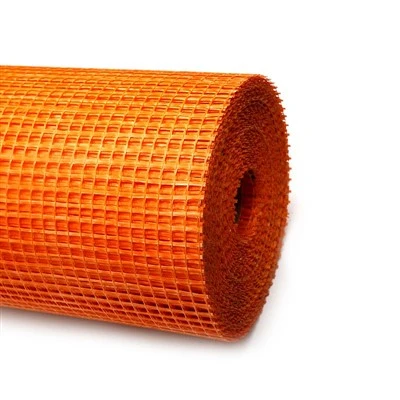
If you’re ready to grab some interior wall fiberglass mesh, we’ve got the standard rolls in stock, plus all the smaller ones for tiny jobs. We can help you calculate exactly how many rolls you need, so you don’t end up with too much or too little. Just reach out if you want to chat through your project—we’re here to make sure you get the right size the first time, no headaches.
Fiberglass Tissue References:
- The Fiberglass Mesh Manufacturers Association, "Standard Sizes for Construction Grade Fiberglass Mesh," 2022.
- U.S. Department of Housing and Urban Development, "Residential Drywall Installation Guidelines," 2021.
- Home Improvement Research Institute, "DIY Material Sizing Trends for Wall Repairs," 2023.
Danyang Yonggu Building Materials Co., Ltd.
Danyang Yonggu Building Materials Co., Ltd. is one of the most professional interior wall fiberglass mesh manufacturers and suppliers in China, featured by quality products and good price. Please rest assured to wholesale customized interior wall fiberglass mesh made in China here from our factory.
Address: Danyang City, Jiangsu Province, P.R. China
E-mail: sales02@cnyongu.com
WebSite: https://www.ygfiberglass.com/
