Hey there, fellow DIYers, tradespeople, and anyone who’s ever stared at a tool kit full of rusty wrenches, a cordless drill that won’t hold a charge, or a circular saw that sputters like an old lawnmower mid-project—raise your hand if that’s you (no judgment, I’ve been there too). As someone who’s spent the last five years building tool kits for people like you, I see so many tools get tossed because folks skip the simple maintenance that keeps them running for decades, not just a few months. Tool Kits
I get it. When you’re knee-deep in a bathroom reno, a backyard deck build, or just hanging a bunch of pictures, the last thing you want to do is “work on your tools” when you’re already working 12-hour days. But here’s the thing: a 10-minute check-in once a month saves you from dropping $500 on a replacement drill when it dies right before a deadline, or dealing with a rusted socket that strips a bolt you need to pull a car out of a ditch.
Today, I’m breaking down the exact maintenance routine we actually walk our customers through when they pick up one of our tool kits—no fancy jargon, no 10-step processes, just real, doable stuff that fits into your messy, busy life. Let’s dive in.
First off, let’s talk about separating your tools by type, not just shoving everything in the kit. I see so many people throw every single tool into the main compartment of their tool kit, and that’s a huge mistake. When wrenches rub against each other, they get tiny scratches that turn into rust spots over time. When screwdrivers poke the soft plastic of your pliers, it ruins the grip coating. For our tool kits, we design them with specific compartments for each category—hand tools, power tools, batteries, small accessories—but even if your kit isn’t ours? Use it. Pull out the power tools, the hand tools, the loose bits like drill bits and hex keys, and give each group their own spot.
Now, let’s get into the nitty-gritty for each type, starting with power tools, since those are usually the priciest part of any kit. I can’t tell you how many times a customer has come back to us saying their cordless drill died after 6 months, and it turns out they never took the battery out after using it. Here’s a quick rule for batteries: never leave a lithium-ion battery plugged in or stored fully charged for more than a week. Lithium-ion batteries hate being at 100% charge for long periods—wait, no, let me correct that: they hate being discharged all the way, and they hate being at 100% charge for weeks on end. So when you’re done using the drill, take the battery out, wipe it down with a dry cloth (more on that in a sec), and stick it in a cool, dry spot. Not the trunk of your car, not the back of your tool kit where it gets hot—like a closet shelf, or the drawer where you keep your gloves.
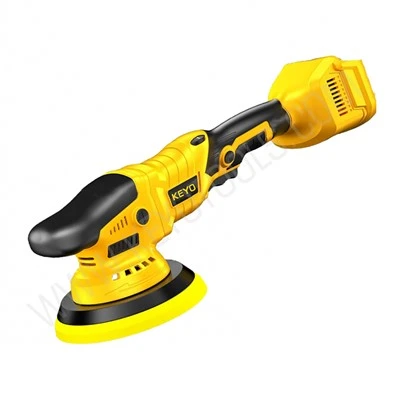
For the drill itself (or circular saw, jigsaw, whatever your corded or corded power tool is), after every use, you need to do two quick things: blow out the dust, and tighten the bits. Dust is power tool enemy numero uno. It gets into the motor vents, clogs the gears, and over time, it’s like sandpaper wearing down the inside of your tool. We used to tell customers to use compressed air, but most people don’t keep a can of that lying around (or don’t want to waste it). A plain old can of air for keyboards works, or even your mouth (just don’t spit, okay?) to blow out the vents. If you have a corded tool, make sure it’s unplugged before you do this—safety first, obviously. Then, check the bit: whether it’s a drill bit, a saw blade, or a screwdriver bit, make sure it’s tight, not wobbly. A wobbly bit not only makes your cuts messy, it puts extra stress on the motor, which shortens its life.
Once a month, give your power tools a deeper clean. Grab a soft brush (an old toothbrush works great, don’t buy anything fancy) and scrub the gears, the trigger, the grip. For metal parts that don’t have coatings, like the chuck on a drill, you can use a little white vinegar on a cloth to wipe off light rust—just make sure to dry it immediately, because vinegar is acidic and can eat at metal if you leave it on. For plastic parts, avoid harsh chemicals like WD-40 or glass cleaner—just use warm soapy water and a cloth, and you’re good to go.
Next up: hand tools. The wrenches, sockets, screwdrivers, pliers—these are the workhorses of any tool kit, and they’re super easy to maintain, but people sleep on them. First, after every use, wipe them down. If you just used a wrench to loosen a bolt that had oil or grease on it, that oil is going to attract dust, which leads to rust. A quick wipe with a paper towel or old rag takes 2 seconds, and it keeps your wrenches looking new for years.
Sockets are a big one. I see people use sockets with grit or rust in them, and that’s a fast way to strip a bolt’s head. Every two weeks, dump all your sockets out, one by one, wipe the inside and outside with a dry cloth, and if they have any built-up gunk (from years of getting dirty), let them soak in warm, soapy water for 10 minutes, then dry them completely. Never put a wet socket back in your kit—moisture is rust’s best friend.
For screwdrivers, pay attention to the tip. That little slot or Phillips head? If it gets dirty, or if it gets rounded (from using it on the wrong size screw), it will strip every screw you try to turn. Every month, take a sanding block (fine grit, like 220) and lightly sand the tip of your screwdriver to keep it sharp and in shape. If it’s already rounded, you can usually fix it with a few passes on the sanding block—no need to buy a new screwdriver yet.
Pliers and wrenches, especially adjustable ones, should have the pivot points lubricated every three months. Use a dry lubricant, not oil—oil attracts more dirt and dust, which is bad. We recommend silicone-based lubricant for this, because it stays slippery without being messy. Just a single drop on the pivot, work it back and forth a few times, and you’re done. No more stuck adjustable wrenches that won’t open or close when you need them.
Now, the stuff that people forget: the loose accessories. Drill bits, hex keys, Allen wrenches, sandpaper discs, blades—these are the small parts that get lost or ruined if you don’t maintain them. Drill bits are super easy to dull if you leave them dirty. After every use, wipe them with a cloth to get rid of wood shavings or metal shavings. If you have a dull drill bit, you don’t need a new one—most hardware stores will sharpen them for like $1, or you can get a cheap sharpening tool for your drill at a local home center. It takes 2 minutes, and your bits will cut like new.
Hex keys and Allen wrenches: keep them organized. Nothing is more annoying than digging through a pile of keys to find the 3mm one you need. We organize our hex keys in a labeled holder, and we recommend you do the same. They’re small, easy to lose, and if you bend one, it’s useless. If you do bend a key, don’t try to straighten it—just throw it away. It will snap when you use it on a tight bolt, and that’s a safety hazard.
Blades—whether it’s a circular saw blade, a utility knife blade, or a jigsaw blade—are probably the most neglected accessory in any tool kit. A dull blade makes every cut harder, more dangerous, and leaves a messy edge. After every use, brush off the teeth of the blade with that old toothbrush I mentioned earlier. For saw blades, you can also use a blade cleaning spray (the kind made for power saws) once a month to get rid of built-up resin from wood or metal shavings. And don’t wait until the blade is so dull it sparks to replace it—we always tell our customers to keep an extra blade in their kit, because a sharp blade is a safe blade.
Now, let’s talk about storing your tool kit, because maintenance starts before you even pick up a tool. How you store your kit is just as important as maintaining the tools inside. First, never leave your tool kit in a hot or damp place. That means not in the back of your truck in the summer (temperatures in a truck can hit 150 degrees, which melts battery casings and breaks plastic parts) and not in the basement or garage where it gets damp. If you have a garage, get a shelf off the floor, or a wall mount for your tool kit—keeps it dry, keeps it away from pests like mice (which love to chew on cords and drill batteries).
When you put your tools back in the kit, make sure they’re dry. If you just used a power tool and wiped it down, don’t shoves it in the compartment right away—let it air out for 5 minutes. If you have any tools that are even a little damp, that’s where rust starts. Also, don’t overstuff your kit. A lot of people cram every single tool into every compartment, and that bends wrench handles, scratches screwdriver tips, and can even crack the plastic of the kit itself. Leave a little space so everything fits snugly, not forced.
Wait, let’s add a common mistake I see all the time: people use the wrong tool for the job. That’s not exactly “maintenance,” but it directly affects how long your tools last. Using a $10 screwdriver to pry open a paint can? That bends the tip, ruins the screwdriver, and makes it useless for turning screws. Using a socket wrench on a bolt that’s too big? That strips the bolt head and wears out the socket. We always tell our customers: buy the right tool for the job, and it will last twice as long, if not longer.
Let’s also talk about the little, easy things you can do to catch problems early. Every time you use a power tool, check the cord (if it’s corded) for frays, cuts, or exposed wires. If you see a fray, don’t use it—get it repaired, or replace it. A frayed cord is a fire hazard and an electrical shock risk, and it’s avoidable. For cordless tools, check the battery contacts every month—wipe them with a dry cloth to get rid of grime, because dirty contacts mean bad battery connection, which means the drill won’t run at full power even if the battery is charged.
I know this sounds like a lot, but let’s be real: we’re talking about 10 minutes once a month, and 2 seconds after every use. Think of it like your car: you don’t wait until the engine seizes to get an oil change, right? Same thing with your tools. A little regular care goes way further than waiting until something breaks and buying a new one.
Now, here’s the thing: if you’re in the market for a tool kit that’s built to hold up to this kind of care, we make the kind that’s designed exactly for DIYers and tradespeople who don’t have time for fancy stuff. Our kits have custom compartments that keep tools from scratching each other, durable plastic that stands up to drops and damp, and all the tools come with a quick cheat sheet for maintenance (the stuff I just told you, simplified). But whether you buy a kit from us or another brand, these rules apply to every single tool out there.
If you’re tired of dealing with tools that die when you need them most, or you’re ready to upgrade to a kit that’s built to last, reach out to us to chat about what you need—whether it’s a basic home kit, a pro-grade set for your job site, or something in between. We’re here to help you pick the right tools, and we’ll even walk you through the exact maintenance routine that works for your workflow.
At the end of the day, your tools are an investment. A good tool kit costs a few hundred bucks, but if you take care of it, it will last you a decade, or longer. Skip the shortcuts, spend 10 minutes a month, and you’ll never be stuck with a dead tool mid-project again.
Cordless Power Tool References:
- Portable Power Tool Maintenance and Repair, Occupational Safety and Health Administration (OSHA), U.S. Department of Labor.
- Tool Care and Storage, American Society of Mechanical Engineers (ASME) Small Shop Safety Guide.
- Lithium-Ion Battery Storage Guidelines, Consumer Electronics Association (CEA) Standard for Rechargeable Battery Care.
- Hand Tool Maintenance Best Practices, National Tooling and Machining Association (NTMA) General Hand Tool Care Manual.
Chongqing Jinswell Tech Co., Ltd.
As one of the most professional tool kits manufacturers and suppliers in China, we’re featured by quality products and low price. Please rest assured to wholesale bulk cheap tool kits from our factory. Welcome to contact us for customized service and OEM&ODM service.
Address: No.59, Hongjin Road, Liangjiang New Area, Chongqing, China
E-mail: sales@keyotools.com
WebSite: https://www.keyotools.com/
