Hey folks, if you’re running a small masonry operation or a mid-sized construction supply company, a concrete block machine that dies mid-production? That’s the last thing you need—especially when you’ve got a 500-block order due next week. As a concrete block machine supplier who’s spent 12 years on the ground troubleshooting, fixing customer headaches, and even pulling all-nighters to get production back on track, I know how frustrating this gets. You don’t want to wait 3 days for a “specialist” or guess your way through parts that cost more than your monthly utility bill. Today, I’m breaking down the most common, easy-to-fix issues that stop a block machine cold, step by step, no fancy jargon required. Concrete Block Machine
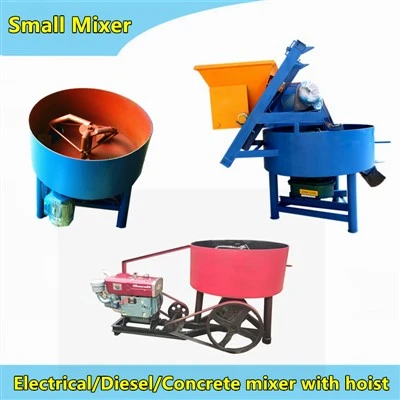
First, let’s nail down the basics: before you panic and call a mechanic, do 2 quick checks most people skip—power and material mix. This sounds stupid, but I’ve seen a guy spend $800 on a new hydraulic pump just because his welder had tripped the 20-amp breaker for the machine. Wait 30 seconds, go to your electrical panel, and make sure both the main breaker and the machine’s dedicated circuit are fully on. A half-tripped breaker will send enough power to the control panel to flicker lights, but not enough to run the ram or mixer. Next, check your concrete mix. Too wet, and it’ll clump and get stuck in the mold hopper; too dry, and it won’t compress into a solid block. We recommend a 1:2:3 ratio of cement, sand, and coarse aggregate (gravel) for standard cinder blocks, with just enough water to make it stick when you squeeze a ball in your palm—if it drips, it’s too wet; if it crumbles, too dry. I’ve had customers swap out their entire batch of mix and get their machine running in 10 minutes, no other fixes needed.
If those basics check out, let’s move to the parts and mechanics that actually do the work. The number one issue we see all the time is a clogged mold or die plate. This is way more common than you think, especially if you didn’t clean the machine after the last run. Concrete dries fast, so even a tiny piece of leftover mix stuck in the gaps between the mold’s pins or around the ejection rod can stop the ram dead mid-stroke. Here’s how to fix it fast: unplug the machine (safety first, guys—never work on a running machine), remove the mold assembly, and soak it in a bucket of warm water and mild dish soap for 15 minutes. Then grab a stiff wire brush or even a old screwdriver to gently scrape out any dried concrete. Pro tip: don’t use a wire wheel on the mold’s metal surfaces—it’ll scratch them, and that’ll make concrete stick way worse next time. If the clog is in the hydraulic lines that feed the ram, just run a bucket of clean gravel through the lines a few times to dislodge any stuck mix.
Next up, hydraulic system issues. The hydraulic pump is the heart of a block machine—if it’s not pushing enough pressure, the ram won’t compress the concrete properly, or it won’t move at all. First, check the hydraulic fluid level. Most machines have a clear reservoir on the side with a “min” and “max” line—if it’s below min, top it off with the exact type of fluid your manual recommends (don’t use motor oil, that’ll ruin the seals). If the level is fine, check the hydraulic filter. Over time, concrete dust and metal shavings clog the filter, cutting pressure by 30% or more. Changing the filter takes 5 minutes and costs $15, and it fixes half the hydraulic-related issues we see. If the filter’s clean and fluid is full, listen when you turn the machine on: a whirring or grinding noise from the pump means it’s failing, and you’ll need a replacement. But before you buy a new one, check the hydraulic lines for kinks—sometimes a loose line gets twisted when you move the machine, cutting off pressure. Straighten it out, and boom, you’re back in business.
Another sneaky culprit: the control panel sensors or limit switches. These are the tiny little switches that tell the machine when the ram is all the way up, when the mold is in place, or when the mix hopper is full. If one of these is misaligned or dirty, the machine won’t “know” to run the cycle. Let’s start with the limit switches: they’re usually mounted on the frame near the ram’s track. Turn the machine to manual mode (most block machines have a “manual” setting for troubleshooting, not just auto), and press the button that moves the ram up and down. If the ram stops short of the top or bottom, that means the limit switch for that position is out of whack. Loosen the screw holding it in place, nudge it closer to the point where the ram fully extends, then tighten the screw. If the machine’s not sensing the mold is in place (common if you swap molds for different block sizes), double-check that the mold is sitting all the way on the mounting pins—even a half-inch off will trigger the sensor to shut down production. For the mix hopper sensor, just wipe it off with a rag—dust and concrete can cover it, so it thinks the hopper is full when it’s actually empty.
Wait, what if the machine runs, but the blocks are too soft or crumbly? That’s not a machine issue, but it’s a production stopper. Most people blame the machine, but it’s almost always the mix or the compaction pressure. Let’s go back to the mix: if it’s too dry, the machine can’t compress it enough to set, no matter how hard it pushes. We’ve had customers add just 1 extra gallon of water to their batch, and the blocks went from crumbling to solid enough to stack the same day. But if the mix is perfect, check the compaction setting on the machine. Many modern block machines let you adjust how much pressure the ram applies—if it’s set too low, crank it up 10-15% and test a sample block. Don’t crank it too high, though—you’ll crack the block or damage the mold. Also, make sure you’re using the right size aggregate for your machine. If you’re putting ½-inch gravel in a machine designed for ¼-inch, it won’t compact evenly, leading to weak blocks.
I can’t tell you how many times I’ve visited a job site where the operator skipped routine maintenance, and that’s what broke the machine. Routine checks take 10 minutes every week, and they save you from 8-hour repair jobs. Let’s run through a quick weekly checklist: first, after every run, spray the mold and ram with a light coat of oil or concrete release spray (don’t overdo it—too much will make blocks slippery). Second, check all the bolts on the frame, mold, and hydraulic lines—vibration from running will loosen them over time, and a loose bolt can cause a major part to shift. Third, change the hydraulic filter every 3 months, or after every 500 blocks, whichever comes first. Fourth, inspect the electrical connections—dust and moisture can loosen wires, leading to intermittent power issues.
Wait, let’s talk about common mistakes that happen when you’re in a hurry. If you’re a new operator, you might try to run a mix that’s too wet to make the blocks come out easy, but that’s a recipe for clogs and weak blocks. Or you might skip the release spray, so the mold sticks to the block, and you end up breaking the block when you eject it. Another mistake: overloading the hopper. If you dump too much mix at once, it clumps and won’t feed into the mold evenly, so the ram can’t compress it. We always tell customers to fill the hopper ¾ full, not all the way, and let the machine’s conveyor feed it slowly.
Now, if none of these fixes work, don’t just stare at the machine. A lot of people try to take apart the hydraulic pump or control panel themselves, and end up making it worse. That’s where we come in—we’ve got techs who’ve been fixing these machines for years, and we can walk you through a quick over-the-phone check, or even send a service tech if you’re local. But here’s the thing: most of the time, the fix is way simpler than you think. I once had a customer call me at 7 PM on a Friday, panicking because their machine wouldn’t make blocks, and it turned out the limit switch was just covered in concrete dust—he wiped it off, and was back up and running in 5 minutes, just in time to deliver his blocks on Monday.
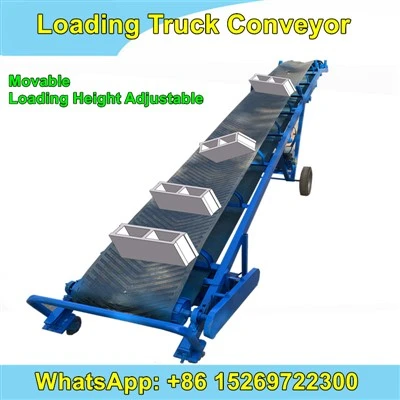
Let me wrap this up: if your block machine won’t produce blocks, start with the basics: power (check the breaker), mix (ratio and moisture), mold clogs (clean it with warm water), hydraulic fluid and filter (top off and change), limit switches (align and clean), and control panel sensors (wipe them down). Routine maintenance is way easier than emergency repairs, so don’t skip that. If you’ve tried all of these and still can’t get it going, don’t hesitate to reach out to us to talk through your machine, your production needs, and how we can get you back to making blocks fast. Whether you need a new part, a maintenance check, or just a quick troubleshooting tip, we’re here to help.
Concrete Block Machine References:
- Concrete Masonry Association of California and Nevada. (2021). Operation and Maintenance Guidelines for Automatic Concrete Block Machines.
- National Ready Mixed Concrete Association. (2022). Mix Design Best Practices for Concrete Masonry Units.
- Machinery Lubrication Magazine. (2020). Hydraulic System Troubleshooting for Industrial Construction Equipment.
- OSHA. (2019). Lockout/Tagout Procedures for Construction Equipment Maintenance.
- Masonry Contractors Association of America. (2023). Common Operator Errors in Concrete Block Production.
Linyi GiantLin Machinery Co., Ltd.
Linyi GiantLin Machinery Co., Ltd. is one of the most reliable concrete block machine manufacturers and suppliers in China. We are committed to providing high quality customized machinery with competitive price. Please feel free to buy the newest concrete block machine made in China here from our factory. Also, price list is available.
Address: Linyi city, Shandong province, China.
E-mail: admin@giantlinmachinery.com
WebSite: https://www.linyigiantlin.com/
