Hey there! As a carbon steel pipe supplier, I often get asked about the formability of carbon steel pipes. So, I thought I’d take a few minutes to break it down for you. Carbon Steel Pipe

What’s Formability Anyway?
Formability in the context of carbon steel pipes refers to how easily the pipes can be shaped or formed into different configurations without cracking or breaking. It’s a crucial property, especially when you’re looking to use these pipes in various applications where custom shapes are required.
Factors Affecting Formability of Carbon Steel Pipes
1. Carbon Content
Carbon is a key element in carbon steel, and its content has a significant impact on formability. Generally, as the carbon content increases, the strength of the steel goes up, but the formability decreases. Low – carbon steel, which typically has a carbon content of less than 0.3%, is known for its excellent formability. It can be bent, rolled, and stretched with relative ease. On the other hand, high – carbon steel, with a carbon content above 0.6%, is much stronger but less malleable. It’s more likely to crack when you try to form it into complex shapes.
2. Grain Structure
The grain structure of carbon steel also plays a vital role in formability. A fine – grained structure usually offers better formability compared to a coarse – grained one. Fine – grained steel has smaller grains, which can slide over each other more easily during the forming process. This allows the steel to deform without significant internal stress build – up. Heat treatment can be used to control the grain structure. For example, normalizing can refine the grain size and improve formability.
3. Alloying Elements
Apart from carbon, other alloying elements are often added to carbon steel to enhance certain properties. Elements like manganese, silicon, and nickel can have different effects on formability. Manganese can improve the strength and hardenability of the steel, but in moderate amounts, it doesn’t significantly reduce formability. Silicon is added to deoxidize the steel and can also improve its strength. However, excessive silicon can make the steel more brittle and reduce formability. Nickel, on the other hand, generally improves both strength and formability. It helps to increase the toughness of the steel, making it more resistant to cracking during forming.
4. Pipe Manufacturing Process
The way the carbon steel pipes are manufactured can also influence their formability. Seamless pipes are often considered to have better formability than welded pipes. This is because seamless pipes have a more uniform structure without the potential weak points at the weld seams. Welded pipes, while they are cost – effective and widely used, may have some variations in formability depending on the quality of the weld. A well – made weld with proper heat treatment can minimize these differences, but in general, seamless pipes have an edge when it comes to complex forming operations.
Testing Formability
There are several methods to test the formability of carbon steel pipes. One common test is the bend test. In this test, a pipe sample is bent to a specific angle, and the outer surface is examined for cracks or other signs of failure. If the pipe can be bent without cracking, it indicates good formability. Another test is the stretch test, where the pipe is stretched along its length to see how much it can deform before breaking. These tests help us, as suppliers, to ensure that the pipes we offer meet the required formability standards.
Applications and Formability
The formability of carbon steel pipes is a critical factor in many applications.
1. Construction
In the construction industry, carbon steel pipes are used for various purposes, such as structural support and plumbing. For structural applications, pipes may need to be bent into arches or other curved shapes to fit the design requirements. Good formability ensures that the pipes can be shaped without compromising their strength. In plumbing, pipes may need to be bent around corners or into specific configurations. Low – carbon steel pipes with high formability are often the preferred choice for these applications.
2. Automotive Industry
The automotive industry also relies heavily on carbon steel pipes. Pipes are used in exhaust systems, fuel lines, and other components. These pipes need to be formed into complex shapes to fit the tight spaces within a vehicle. The formability of the carbon steel ensures that the pipes can be manufactured to the required specifications without any issues.
3. Oil and Gas Industry
In the oil and gas industry, carbon steel pipes are used for transporting oil, gas, and other fluids. Pipes may need to be bent or welded to connect different sections of the pipeline. Formability is important to ensure that the pipes can be installed efficiently and that the joints are strong and leak – free.
Our Role as a Carbon Steel Pipe Supplier
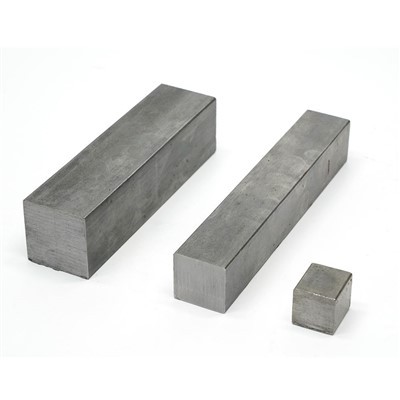
As a carbon steel pipe supplier, we understand the importance of formability. We carefully select the steel grades and manufacturing processes to ensure that the pipes we offer have the best possible formability for our customers’ needs. We work closely with our customers to understand their specific requirements and provide them with the right type of pipes. Whether they need pipes for simple straight installations or complex forming operations, we’ve got them covered.
Why Choose Our Carbon Steel Pipes?
- Quality Assurance: We have strict quality control measures in place to ensure that our pipes meet the highest standards. This includes testing for formability, strength, and other important properties.
- Wide Range of Options: We offer a wide range of carbon steel pipes with different carbon contents, sizes, and wall thicknesses. This allows our customers to choose the pipes that are best suited for their applications.
- Expert Advice: Our team of experts is always available to provide advice on the selection and use of carbon steel pipes. We can help you determine the best formability for your specific project and recommend the appropriate pipe type.
Steel Strip If you’re in the market for carbon steel pipes and are concerned about formability, don’t hesitate to reach out to us. We’re here to help you find the perfect solution for your needs. Whether you’re a small – scale contractor or a large industrial company, we can provide you with high – quality carbon steel pipes that meet your formability requirements.
References
- ASM Handbook, Volume 1: Properties and Selection: Irons, Steels, and High – Performance Alloys
- ASTM Standards for Carbon Steel Pipes
- "Metallurgy of Steel" by Robert W. K. Honeycombe
Shanxi Midas Industrial Co., Ltd.
We’re known as one of the most professional carbon steel pipe manufacturers and suppliers in China. With abundant experience, we warmly welcome you to buy cheap carbon steel pipe made in China here from our factory. For price consultation, contact us.
Address: 28th, Huanqiu Jinrong Zhongxin, Xieyuan Road, Changfeng Business District, Taiyuan City, Shanxi Province, China
E-mail: midassteel@163.com
WebSite: https://www.midassteel.com/
