Hey there! I’m a supplier in the DC contactor application business, and I’ve seen firsthand how these nifty devices play different roles in industrial and residential settings. Let’s dive right in and check out what makes their applications so different. DC Contactor Application
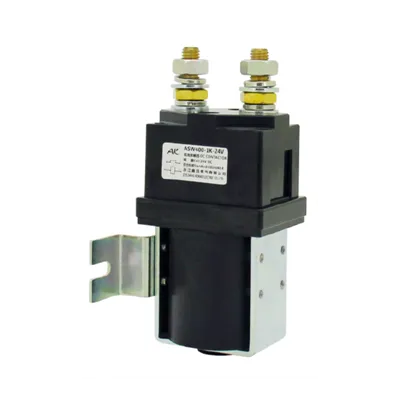
1. Power Requirements
In industrial settings, power is king. Factories, manufacturing plants, and large – scale operations need a whole lot of juice to keep things running. DC contactors used here are designed to handle high – voltage and high – current loads. For example, in a heavy – machinery manufacturing plant, the equipment might run on DC power systems that require contactors capable of switching currents in the hundreds or even thousands of amperes. These contactors are built like tanks to withstand the high – energy demands without breaking a sweat.
On the flip side, residential settings have much lower power requirements. Your average home appliances, like refrigerators, washing machines, and TVs, operate on relatively low – voltage DC circuits. The contactors used in homes are typically rated for currents in the single – digit or low – double – digit amperes range. They’re smaller and lighter, designed to fit neatly into the electrical panels of our houses without taking up too much space.
2. Environmental Conditions
Industrial environments are tough places. There’s a lot of dust, dirt, and moisture floating around. In a mining operation, for instance, the air is filled with fine particles of rock and minerals. DC contactors in these settings need to be rugged and well – protected. They often come with enclosures that are dust – proof and waterproof to prevent damage to the internal components. Some also have special coatings to resist corrosion from chemicals that might be present in the industrial process.
Residential settings, however, are much more forgiving. The air in our homes is relatively clean, and there’s less exposure to extreme temperatures and harsh chemicals. So, the contactors used here don’t need to be as heavily protected. They can be more lightweight and have simpler designs, which also helps keep the cost down.
3. Frequency of Use
In industrial applications, DC contactors can be in constant use. In a 24/7 manufacturing facility, the contactors may be switching on and off hundreds or even thousands of times a day. This high frequency of use means they need to have a long lifespan and be able to handle the wear and tear. Manufacturers of industrial – grade contactors use high – quality materials and advanced engineering to ensure that these contactors can last for years under such demanding conditions.
In a residential setting, the frequency of use is much lower. A contactor in a home might only be used a few times a day or even less, depending on the appliance. For example, a contactor in a garage door opener might only be activated when you open or close the door. This lower frequency of operation means that the contactors can be less robust and still perform well over a long period.
4. Safety Requirements
Safety is a top priority in both industrial and residential settings, but the requirements are different. In industrial settings, there are strict safety regulations to protect workers from electrical hazards. DC contactors need to have features like arc suppression to prevent dangerous electrical arcs from forming when the contacts open or close. They also need to be properly grounded and insulated to prevent electrical shock. Additionally, industrial contactors often have built – in safety interlocks that prevent the equipment from operating if certain safety conditions are not met.
In residential settings, safety is also crucial, but the focus is more on protecting the occupants of the home. The contactors need to be designed to prevent electrical fires, which is why they often have thermal – overload protection. If the current flowing through the contactor gets too high, the thermal – overload device will trip and cut off the power, preventing overheating and potential fire hazards.
5. Control and Monitoring
Industrial DC contactors usually come with sophisticated control and monitoring systems. In a modern industrial complex, the contactors can be controlled remotely using computer – based systems. This allows operators to turn on or off equipment from a central control room, which is very convenient for large – scale operations. Additionally, these contactors can be monitored for performance, such as the number of switch – cycles, temperature, and current levels. This data can be used to predict when maintenance is needed and to prevent unexpected breakdowns.
In residential settings, the control and monitoring of DC contactors are much simpler. Most of the time, they’re controlled directly by the user through a switch on the appliance. There’s usually no need for complex monitoring systems, as the appliances are relatively small and easy to manage.
6. Cost Considerations
Cost is always a factor in any application. Industrial – grade DC contactors are generally more expensive. This is due to their high – power capabilities, rugged construction, and advanced features like sophisticated control systems and high – level safety mechanisms. The manufacturers also have to invest a lot in research and development to meet the strict industrial standards.
Residential contactors, on the other hand, are more affordable. They have lower power ratings, simpler designs, and fewer features, which all contribute to a lower cost. This makes them accessible for homeowners and small – scale electrical projects.
7. Installation and Maintenance
Installing industrial DC contactors can be a complex process. It often requires trained electrical engineers and technicians who are familiar with high – voltage systems and industrial safety standards. The installation may involve mounting the contactors in large electrical panels, connecting them to high – power cables, and integrating them with the overall control system. Maintenance of industrial contactors also needs to be done regularly and by professionals. They need to be inspected for wear and tear, and any faulty components need to be replaced promptly to avoid downtime in the industrial process.
In a residential setting, installing a DC contactor is usually a much simpler task. It can often be done by a homeowner with basic electrical knowledge or by a local electrician. The contactors are smaller and easier to handle, and the wiring is less complex. Maintenance is also less frequent and less involved. Homeowners can usually just check the contactors occasionally for any signs of damage or overheating.
Conclusion

So, as you can see, there are some significant differences in DC contactor applications between industrial and residential settings. From power requirements to cost, each setting has its own unique needs. Whether you’re running a large – scale industrial operation or just looking to upgrade the electrical system in your home, it’s important to choose the right DC contactor for the job.
Electric Reversing Contactor If you’re in the market for DC contactors, whether for industrial or residential use, I’d love to have a chat with you. I’ve got a wide range of high – quality contactors that can meet your specific needs. Just reach out, and we can start discussing how I can help you with your DC contactor requirements.
References
- Electrical Installation Handbook, Schneider Electric
- Industrial Electrical Equipment Manual, Siemens
- Residential Electrical Wiring Guide, McGraw – Hill
Zhejiang Aokai Electric Co., Ltd.
Zhejiang Aokai Electric Co., Ltd. is your best source for the high quality dc contactor application with CE certification. We have been one of the largest dc contactor application manufacturers and suppliers in China since our establishment in 2008. Welcome to contact our factory for the products.
Address: No.166 Xiangbai Road, Huxi Industrial, Yueqing, China.
E-mail: akcontactor@aokai.com
WebSite: https://www.ak-contactor.com/
