If you’ve ever leaned against a fence that stretches over a construction site, walked through a garden enclosed by a sturdy barrier, or sifted through gravel at a rock yard, you’ve interacted with crimped wire mesh. As a crimped wire mesh supplier, I get asked almost daily: “What is this stuff made of? Why does some last 10 years and others rust by the next rainy season?” It’s a fair question—especially when crimped wire mesh is such a workhorse product. We rely on it for everything from agricultural sorting screens to industrial filtration, and the material it’s built from is the single biggest factor in how well it performs, how long it lasts, and what jobs it’s suited for. I’ve spent the last 12 years sourcing, testing, and shipping crimped wire mesh to farms, factories, and builders across the country, so I know this stuff inside and out. Today, I’m breaking down the core materials we use, why we pick each one, and when you’d want to choose each for your next project. Crimped Wire Mesh
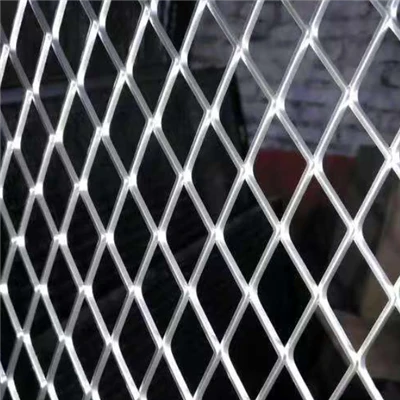
Let’s start with the basics: what actually is crimped wire mesh? It’s not just random wire crimped into a wavy shape and woven together. The crimp—those uniform, repeated bends in each wire—isn’t just for show. It adds structural rigidity so the mesh doesn’t sag, even under heavy loads, and it lets the mesh hold its shape when stretched or stretched over a frame. But all that strength starts with the wire itself. The material of the wire, its thickness (called gauge), and the type of crimp we use (standard, ribbed, or lock crimp) all work together, but the wire material is the foundation.
The most common material we use, by far, is low carbon steel wire. If you’ve ever seen a basic black fence or a concrete reinforcement mesh, that’s low carbon steel. But it’s not just plain steel—we use wire that’s been drawn (pulled through a series of dies to thin it out and make it consistent) to a precise gauge, usually between 6 and 14 gauge for standard crimped mesh, depending on the application. Low carbon steel is a favorite because it’s affordable, easy to work with, and has great tensile strength—meaning it can pull or stretch without breaking. That makes it perfect for bulk agricultural uses: like sorting grain, sizing gravel, or building temporary construction fencing. If you’re screening crushed rock for a landscaping project, low carbon steel crimped mesh is the go-to because it can handle the constant abrasion of stones rubbing against it without bending or tearing.
But here’s the catch: plain low carbon steel rusts. Bad. Expose it to moisture, dirt, or road salt, and within a year or two, it’ll start to develop that flaky red rust that eats away at the wire, weakening the mesh until it’s useless. That’s why we almost always coat low carbon steel wire to protect it. The most common coating is galvanization—coating the wire in a thin layer of zinc to act as a barrier between the steel and the elements. There are two types of galvanization we use: hot-dipped galvanizing and electro-galvanizing. Hot-dipped is the more heavy-duty option. We dip the entire spool of wire into a bath of molten zinc, so the zinc bonds not just to the surface, but seeps into every tiny crevice and crimp of the wire. That makes hot-dipped galvanized crimped mesh ideal for outdoor use, like farm fencing or garden barriers that’ll be exposed to rain and snow year-round. It’s also the choice for industrial applications where the mesh might be exposed to chemicals or harsh conditions. Electro-galvanizing, on the other hand, is a thinner zinc coating applied through an electric current. It’s cheaper and works well for indoor or sheltered applications, like sorting screens in a warehouse where the mesh won’t be exposed to direct weather. It won’t hold up as long outside, but it’s a great budget pick for controlled environments.
Next on the list is stainless steel wire, and this is where things get really interesting. Stainless steel isn’t just a fancy upgrade—it’s a completely different metal that’s built to resist corrosion. The key to stainless steel is chromium, which makes up at least 10.5% of the alloy. When stainless steel is exposed to oxygen, the chromium reacts to form a thin, invisible layer of chromium oxide on the surface that seals the metal underneath, keeping rust and corrosion out. That’s why stainless steel crimped mesh is the gold standard for applications where corrosion is a major risk—like food processing, pharmaceutical manufacturing, or marine environments where salt air and water will eat through regular steel in months.
We use two main grades of stainless steel for crimped wire mesh: 304 and 316. 304 is the most common, and it’s what we reach for most often. It’s affordable for stainless steel, works well in most general corrosive environments, and is food-safe (it’s resistant to the acids in fruits, vegetables, and meat, so it’s perfect for sorting produce or screening food ingredients). If you’re building a screen for a brewery or a bakery, 304 stainless is the way to go. The higher end is 316 stainless steel, sometimes called marine grade. It adds molybdenum to the alloy, which makes it even more resistant to corrosion from salt, chemicals, and acids. We use 316 for projects like fish processing facilities, coastal construction, or chemical plants where regular 304 would rust within a year of exposure to salt water or harsh chemicals. I had a client a couple years back who ran a seafood processing plant in Florida—they tried regular galvanized mesh for their sorting screens, and within six months, the salt air had rusted through the wires. We switched them to 316 stainless, and three years later, they haven’t had to replace a single screen. That’s the difference the right material makes.
Another material we use regularly is aluminum wire. Aluminum is lightweight, non-magnetic, and naturally corrosion-resistant because it forms its own protective oxide layer when exposed to air. It’s not as strong as steel or stainless steel, so aluminum crimped mesh is mostly used for applications where weight is a factor, or where magnetism isn’t allowed. For example, in aerospace manufacturing, you can’t have magnetic tools or materials interfering with sensitive equipment, so aluminum mesh is perfect for screening small parts during assembly. It’s also used for decorative screens—like fencing around a patio or a garden—because it comes in a smooth, silver finish that looks sleek without needing a coating. The downside of aluminum is that it bends more easily than steel, so it’s not ideal for heavy-duty applications like screening large rocks or supporting heavy loads. But for light use, where you need something that won’t rust and is easy to install, aluminum is a great pick.
I’d be remiss if I didn’t mention some of the more specialized materials we work with for niche projects. For high-temperature applications, like screening hot metal parts in a foundry or screening molten glass in a factory, we use wire made of nickel alloys, like Inconel. These alloys can withstand temperatures up to 2,000 degrees Fahrenheit without melting or losing their strength. They’re expensive, but when you’re working with materials that hot, regular steel would melt or warp within minutes. For electrical applications, like electromagnetic shielding in electronics factories, we use copper wire. Copper is highly conductive, so copper crimped mesh can block electromagnetic interference, which is critical for protecting sensitive computer and communication equipment. And for decorative projects, sometimes we use brass wire, which has a warm, golden finish that doesn’t rust, making it perfect for garden accents or architectural details where looks matter as much as function.
As a supplier, I always tell our customers that choosing the right material for crimped wire mesh isn’t about picking the most expensive or shiniest option—it’s about matching the material to what you need the mesh to do. If you’re building a temporary fence for a construction site, a hot-dipped galvanized low carbon steel mesh will cost a fraction of stainless steel and last long enough for your project. If you’re sorting grain on a farm, a standard low carbon steel mesh will hold up great to the constant abrasion of kernels rubbing against it. But if you’re working in a food processing plant or a coastal area, paying a little extra for stainless steel will save you thousands in replacements and repairs down the line.
I’ve seen too many clients cut corners on material and end up paying for it later. A rancher I worked with a few years ago bought cheap, uncoated low carbon steel mesh for their pasture fencing because it was $0.50 per yard cheaper. Within a year, the fence had rusted through in spots, and they had to replace half the fence line because coyotes got through. If they’d spent a little more on hot-dipped galvanized mesh, it would have lasted 10 years or more. That’s why we always take the time to ask our customers about their project: where will the mesh be used? How heavy will the loads be? What kind of environment will it be in? Then we recommend the right material, not just what’s most profitable for us.
At the end of the day, crimped wire mesh is a simple product, but its materials make it complex. Every material we use—from low carbon steel to 316 stainless to aluminum—has its own strengths, weaknesses, and ideal uses. As someone who’s been in this industry for over a decade, I’ve learned that the best mesh isn’t the one that’s made with the fanciest material; it’s the one that’s made with the right material for the job.

If you’re working on a project and aren’t sure which material is right for your crimped wire mesh, we’re here to help. Our team has years of experience helping customers find the perfect mesh for their needs, whether you’re a farmer needing sorting screens, a builder needing construction fencing, or a factory needing specialized filtration mesh. We offer custom sizes, gauges, and materials to fit any project, big or small. Reach out to our team to discuss your requirements, and we’ll provide you with a quote and recommendations tailored to your specific needs. We’re committed to providing high-quality, reliable crimped wire mesh that stands up to whatever you throw at it, and we’re here to help you find the right solution for your project.
Safety Fence References
- Handbook of Stainless Steels, ASM International, 2005
- Wire Mesh Materials and Applications, National Crimped Wire Mesh Association, 2018
- Corrosion Resistance of Metal Alloys in Industrial Environments, John Wiley & Sons, 2012
- Agricultural Mesh: Materials and Performance, Journal of Agricultural Engineering Research, Vol. 92, No. 3, 2007
- High-Temperature Wire Mesh for Industrial Processes, Industrial Materials Magazine, 2020
Anping Binze Wire Mesh Products Co., Ltd.
We are one of the most experienced crimped wire mesh manufacturers and suppliers in China, also support customized service. Please feel free to buy high quality crimped wire mesh for sale here from our factory. For price consultation, contact us.
Address: Taicheng Industrial Zone, Anping County, Hengshui City, Hebei Province
E-mail: binzemesh@outlook.com
WebSite: https://www.binze-mesh.com/
