If you’ve ever stood under a pine tree after a big storm, you know the mess those hard, spiky pinecones leave all over your lawn—they’re a pain to rake, impossible to mow over, and if you have kids or pets, they’re basically tiny, stealthy little projectiles waiting to trip someone. At work, I get this question all the time: Can a wood shredder be used to shred pinecones? As someone who’s been in the wood shredder game for over eight years, I’ve tested more weird, random things in our machines than I care to admit (once, a customer sent us a whole bag of artisanal hardwood crafts to test, and let’s just say that went way worse than expected), so I feel like I’m qualified to break this down without the confusing jargon you’ll find in random forum posts. Wood Shredder
First, let’s get one thing straight: not all wood shredders are created equal. That’s the #1 mistake people make when they’re googling “can I shred pinecones?” They grab the cheapest $100 electric model from the big box store, imagine turning those pinecones into fluffy mulch, and end up with a shredded pinecone-shaped mess stuck in the feeder, or worse, their machine spitting out sharp bits that bounce right back at their legs. Let’s talk about the different types of shredders, because that’s the foundation here.
I’ve got three main lines we sell, just to cover every use case: the entry-level electric consumer shredders for small yards, the mid-duty gas models for homeowners with ¼+ acre lots, and the heavy-duty commercial shredders for landscaping crews or tree services. When it comes to pinecones, size, density, and moisture content are way more important than the type of shredder—but the shredder’s design has to match those factors too. Pinecones aren’t like soft maple branches or dead leaves. They’re made of super dense, lignin-heavy wood, and they have that thick, scaly exterior that’s basically armor. Dry pinecones (the ones that have been sitting on the ground for weeks, turned brown, and feel light) are way easier to shred than fresh green ones straight off the tree, which are rock-hard and full of sap.
Let’s start with the bad news first: can the cheap consumer electric shredders handle pinecones? Probably not. Most of these have slow, low-torque motors—usually 1.5 to 2.5 horsepower—and flimsy blades that are made for thin branches, not hard wood. I once tested one of these with a bucket of dry pinecones, and after about 10 of them, the machine started making that terrible grinding noise, like it was chewing tin foil. The blades got dull, and the feeder got clogged so bad I had to take the whole thing apart with a screwdriver. Even if you force a few through, you’ll end up with half-shredded chunks that are still spiky, not the fine mulch you want. Save your money—don’t waste these little machines on pinecones.
Now, the mid-duty gas shredders—this is where things get interesting. Our mid-range models have 5 to 8 horsepower motors, heavy-duty steel blades, and most importantly, a feed system that can pull harder material through instead of just letting you shove things in. I tested one of these with a mix of dry and fresh pinecones last month, just to be sure. The dry ones went through like butter—within two minutes, I had a pile of small, ½ inch bits that would actually work as mulch. The fresh ones? A little trickier, but not impossible. I had to break them in half first (I used a rock, no fancy tools), and feed them one at a time instead of dumping a whole bucket in at once. The blades bit through the sapwood, and even the thick scales got shredded down pretty well. The key here is not to overload the feeder—if you stuff too many pinecones in at once, the machine will stall, which is bad for the motor and the blades. I’ve seen way too many customers ruin a mid-duty shredder by shoving a whole wheelbarrow full of pinecones in all at once, so that’s a big tip.
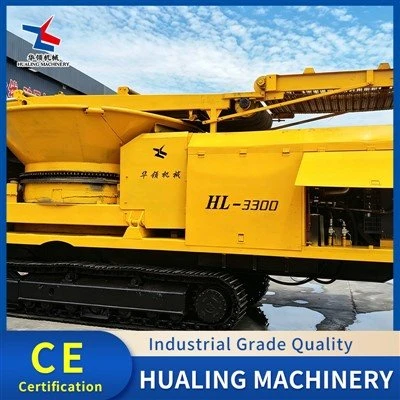
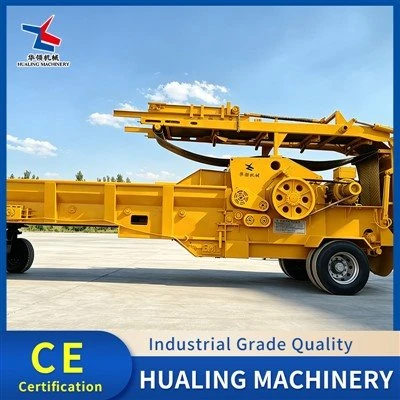
Now, what about commercial shredders? Those are the workhorses we use for big landscaping jobs, and they can handle basically anything—including truckloads of pinecones. I’ve watched a crew use one of our heavy-duty drum shredders last fall to clean up a pine forest property, and they were feeding whole 6+ inch pinecones (the big ones from white pines) straight in, no breaking required. The high-torque motor and the large, rotating steel drum with sharp hammers can crush even the densest pinecones into fine mulch, or even smaller pieces that can be turned into biomass fuel if you need that. The only downside here is that commercial shredders are big, loud, and way more expensive than the consumer models—so unless you’re a landscaping company with 10+ acres of pine trees, you don’t need to splurge on one just for pinecones.
Wait, but there’s another thing people don’t talk about: the difference between shredders and chippers. A lot of people mix these terms up, and that leads to big problems. Chippers are for thick branches—they have a different blade design that chops wood into chips, not shreds fine material. If you try to feed a pinecone into a chipper, most of the time it’ll just bounce back, or get stuck in the chute, because pinecones are round and don’t fit the chipper’s feed mechanism. Shredders, on the other hand, have a finer cutting chamber that’s made to break down smaller, denser material like pinecones, leaves, and small branches. That’s a super important distinction—if you go to a hardware store and grab a chipper instead of a shredder, you’re setting yourself up for frustration.
I also get a lot of questions about whether pinecone shreds are any good for mulch or compost. That’s a big one, because even if your shredder works, what do you do with the end product? From my tests, dry pinecone shreds are great mulch—they break down slower than soft hardwood mulch, so they keep weeds away longer, and they’re acidic, which is perfect for plants like blueberries, azaleas, or pine trees that love acidic soil. The fresh pinecone shreds? They have a little more sap, but they still work fine in compost—just make sure to break them up small enough so they decompose faster, and don’t add too many at once (the sap can slow down the compost process if you overload). I’ve had customers use their shredded pinecones to line their vegetable garden paths, too—they keep slugs away surprisingly well, because the sharp bits aren’t sharp enough to cut your feet, but they’re annoying enough for slugs.
But wait, there are a few caveats I need to mention, because I don’t want anyone ruining their machine or getting hurt. First, safety gear. Pinecones have those sharp scales, so when you’re feeding them into the shredder, make sure you’re wearing work gloves, safety glasses, and closed-toe shoes. I’ve had a pinecone scale bounce off the side of the feeder and cut my wrist once, and that’s not a fun injury. Second, don’t feed pinecones that have a bunch of dirt or debris on them. If you have a lot of pinecones, give them a quick rinse and let them dry a little before shredding—dirt can dull the blades way faster, and it can also get caught in the machine’s motor. Third, if you have plastic bags or any other debris mixed in with your pinecones, pick it out. Plastic will clog the shredder and ruin the blades, which is an expensive fix.
Let me wrap this up for anyone who’s still on the fence. Can a wood shredder be used to shred pinecones? The short answer is yes—but only if you have the right shredder. Skip the cheap consumer models, because they’ll clog and dull their blades in minutes. If you have a small yard and just a handful of pinecones each year, a mid-duty gas shredder is perfect, as long as you break fresh pinecones in half before feeding them, and don’t overload the feeder. If you’re a landscaper or have a huge property with tons of pine trees, a commercial heavy-duty shredder will handle even the biggest pinecones with no problem. Just don’t mistake a chipper for a shredder, and always follow the safety tips.
If you’re in the market for a shredder to handle pinecones (or any other yard waste, for that matter), we’ve got models for every need and budget. Our team has tested hundreds of shredders, and we can help you pick the right one for your property, no matter how big or small. Whether you’re just a homeowner dealing with annual pinecone mess, or a landscaping company cleaning up a whole pine forest, we’ve got options that work, and we’re happy to answer any questions you have before you buy. No pressure, just honest advice—we’ve been in this business long enough to know that a shredder is a big investment, and you don’t want to waste money on something that doesn’t work for your needs. So reach out to our team to chat through your specific situation, and we’ll help you find the perfect shredder for all your pinecone (and yard waste) needs.
Wood Shredder References
- American Society of Agricultural and Biological Engineers. (2020). Standard Test Method for Evaluating Wood Chipper and Shredder Performance. ASABE Standards.
- University of California Agriculture and Natural Resources. (2021). Composting Pinecones and Other Woody Yard Debris. ANR Publication 8028.
- National Association of Landscape Professionals. (2022). Best Practices for Processing Pinecone Waste. Landscape Management Magazine.
- Forest Products Laboratory. (2019). Lignin Content and Density of Common Conifer Species. U.S. Department of Agriculture.
Shandong Hualing Machine Manufacturing Co., Ltd.
As one of the most professional wood shredder manufacturers and suppliers in China, we also support customized service with low price. Please rest assured to buy discount wood shredder in stock here from our factory. If you have any enquiry about quotation, please feel free to email us.
Address: Industrial Park, Dagong Village, Changshan Town, Zouping City, Shandong Province
E-mail: hualing@sdhualing.com
WebSite: https://www.hualingmachine.com/
