If you’ve ever sat through a quality system audit—whether as the person running the show or the one staring down the auditor’s checklist—you know it’s not just about checking boxes or panicking because you forgot to update a single training log. As a quality system audit supplier, I’ve seen first-hand how the people in management roles (not just the “quality team” or frontline staff) are the backbone of whether an audit goes sideways, or actually turns into something that makes your business smoother, not more stressful. Let’s break this down like we’re grabbing coffee after a long audit day, no stuffy jargon, just real talk. Quality System Audit
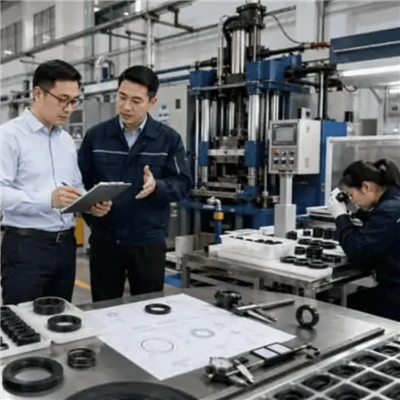
First, let’s get one thing straight: management in a quality system isn’t just the boss who signs papers once a year. I’ve had clients try to argue that the quality manager handles all audit stuff, and I’m over here like, “Dude, if that’s how you think, you’re setting yourself up for a nonconformity that’ll cost you way more than fixing the process.” The audit isn’t a test of one department—it’s a test of how the whole company works, and that starts from the top. Take my most recent client, a small medical device maker, who tried to pass off their part-time quality coordinator as the “audit expert.” When I asked the VP of Operations about their corrective action process for a 2023 material defect, they rambled about not knowing the details. That right there is a problem. Management’s first real role in a quality system audit is showing up. Not just showing up to the opening meeting (though that’s basic), but showing they actually understand what the quality system is for— it’s not a compliance hoop, it’s how you don’t make a product that harms someone, and it’s how you keep your business from getting shut down.
Wait, let’s clarify: we’re talking about the formal quality system audits—like ISO 9001, AS9100, whatever industry standard your company uses, not the random “did you wash your hands” checks on the production floor. Those audits review if your system is actually doing what it’s supposed to, not just if you have a binder full of documents. So management’s role here isn’t just to avoid a bad report, it’s to make sure the system is functional.
Next up: management owns resource allocation, and I see so many companies botch this. Let’s be real—most quality systems only work if you’ve got the right people, tools, and time. I had a client in the food packaging industry once that was facing a GFSI audit. Their plant manager told me “quality is everyone’s job” but then cut the quality team’s training budget because they wanted to use that money for a new break room fridge (don’t get me started on that). When the auditor showed up, they asked the shift lead to explain the incoming material inspection process, and that shift lead had never done the mandatory ISO 17025 training because they couldn’t afford the online course. Guess what? That client got a major nonconformity, had to pause shipments for two weeks, and ended up spending way more than that fridge cost to fix it. Management’s job here is to prioritize the quality system—even when it’s not glamorous. That means approving training budgets, making sure auditors have access to all records (not hiding that defective batch that slipped through), and actually assigning people to follow through on corrective actions, not just writing them down and forgetting.
Then there’s the part where management is the bridge between the quality team and the rest of the company. I’ve seen quality teams get shut down by sales who don’t want to delay a shipment because of a minor defect, or production leads who cut corners to meet a deadline. When an auditor comes in, they’re going to ask about how you handle conflicts like that—because a quality system that only works when everyone agrees isn’t a real system. Last year, I worked with a aerospace parts manufacturer where the CEO instituted a weekly cross-departmental quality huddle, with a rule that no shipment leaves the plant until the quality team signs off, and the CEO attends every huddle. During their AS9100 audit, the auditor didn’t find a single major nonconformity, and actually commented that the collaboration was spot-on. That’s management stepping in to stop silos from forming. They’re not picking sides—they’re making sure the quality system’s rules apply to everyone, from the intern on the line to the CEO in the corner office.
Wait, but what about when something goes wrong during an audit? I can’t tell you how many times I’ve seen a frontline worker freeze up when the auditor asks them a question, because their manager told them to “just say everything’s fine.” Or I’ve seen managers try to explain away a mistake as “one time” instead of owning it. Here’s the thing: auditors aren’t looking for perfect companies—they’re looking for how you respond when things go wrong. That’s where management’s leadership comes in. If a nonconformity pops up during the audit, the right move isn’t to panic or blame the team—it’s to say, “Yep, we missed that, here’s what we’re already doing to fix it, and we’ll follow up by X date.” I had a client last quarter that found a minor gap in their calibration records during their audit. The plant owner didn’t get defensive—they immediately pulled up the schedule to fix the missing calibrations, explained that they’d been short-staffed for a month, and outlined a plan to add a backup to the calibration team so that wouldn’t happen again. The auditor ended up closing that gap right there on the spot, no corrective action needed. That’s the kind of management approach that turns a potential audit failure into a trust builder.
Let’s also talk about something that’s way too overlooked: management reviewing audit results and actually using them. I’ve done audits where a company gets their report, sticks it in a desk drawer, and never looks at it again—until the next audit, where the same problem is still there. That’s like taking a test and throwing the graded paper in the trash instead of studying the mistakes. Management’s role post-audit is to make sure the corrective actions are actually implemented, not just written down. I work with clients who have a 30-day follow-up check-in, where we go over every nonconformity and make sure it’s fixed, and the senior management signs off on it. That’s how you build a quality system that gets better every year, not one that just stays the same.
Before I wrap this up, let’s be honest—there’s a common myth that only big companies with hundreds of employees have to care about management’s role in quality audits. That’s not true. I’ve done audits for companies with 15 people, and the ones that passed were the ones where the owner (who’s the management) knew every part of the quality system, trained everyone on it, and actually followed the rules. The ones that failed? The owner thought quality was the responsibility of the one employee they hired for 20 hours a week, and couldn’t answer basic questions about the company’s compliance.
If your next quality system audit is coming up, don’t wait until the auditor shows up to start thinking about this. You don’t have to have a fancy binder or a million training hours (though those help). You just need your management team to show up, allocate the resources, break down the silos, own the mistakes, and actually use the audit to get better.
For more insights on how to prep for your next quality system audit, or to work with our team of audit experts to make sure your process is solid, reach out to us for a consultation.
Certification and Compliance References:
- ISO 9001:2015, Quality Management Systems — Requirements, International Organization for Standardization
- AS9100D:2016, Quality Management Systems — Aviation, Space, and Defense Organizations, SAE International
- GFSI Benchmarking Requirements, Global Food Safety Initiative
- The Role of Top Management in Quality Management Systems, Journal of Operations Management, 2022, Vol. 58, pp. 45-57
Verittek Standards Co., Ltd.
As a professional quality system audit service provider in China, we help clients improve overall product quality and stability by providing third-party inspection services. If you have any enquiry about cooperation, please feel free to email us.
Address: Room 1002, Building 1, Tian’an Industrial Building, Panyu Energy Saving Technology Park, No.555 North Panyu Avenue, Donghuan Street, Panyu District, Guangzhou City, China.
E-mail: sales@verittek.com
WebSite: https://www.verittek.com/
