As a pet food composite bags supplier, I often get asked a question that sits at the intersection of packaging science and pet nutrition: “How do your bags stop nutrients from slipping away before Fido or Kitty even takes their first bite?” It’s a fair question—one I’ve spent years unpacking, both in our factory testing labs and on calls with pet food brand owners who know that a bag’s job isn’t just to hold kibble or wet food, but to protect the very vitamins, proteins, and fats that make their product valuable. Let’s break this down, not as a list of technical specs, but as a story of how every layer of our bags works to keep nutrients intact. Pet Food Composite Bags
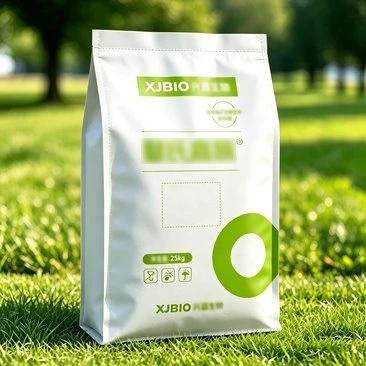
When pet food is manufactured, nutrients like omega-3 fatty acids, vitamin A, and protein-rich meat derivatives are balanced in exact ratios to support a dog’s coat, a cat’s digestion, and a puppy’s growth. But those nutrients are fragile. Think of omega-3s—they’re the same healthy fats that go rancid if you leave a carton of almond oil open on your kitchen counter, and pet food has even more of them to deliver benefits like reduced inflammation. Or vitamin C, which breaks down when exposed to light or high temperatures. Even proteins, which should bind to muscle tissue in pets, can degrade into useless compounds if exposed to too much moisture over time. The loss of these nutrients isn’t just a loss of value for brands; it’s a disservice to the pets that depend on their food. That’s where composite bags come in—because they’re not just plastic. They’re multi-layered systems, each designed to block a specific threat to nutrients.
First, let’s talk about oxygen. Oxygen is the single biggest culprit when it comes to nutrient degradation. When oxygen molecules come into contact with pet food, they trigger oxidation: fats turn rancid, vitamins break down, and even some protein structures weaken. Open a bag of kibble that’s been on a store shelf too long, and you might smell that stale, “off” odor—that’s oxidation at work. Our composite bags solve this with a specialized oxygen barrier layer, usually made of ethylene vinyl alcohol (EVOH) or a high-performance aluminum foil laminate. Wait, I’ve heard brands worry that aluminum foil makes bags too expensive, or too hard to recycle—so let’s be transparent: we tailor the barrier to the product. For dry kibble, which has higher fat content, we use a thicker EVOH layer paired with a thin, food-safe aluminum foil for 99.9% oxygen blockage. For wet pet food, which is often sealed in retort pouches, we use a multi-layer structure that blocks oxygen while withstanding the high heat of sterilization (a step that keeps wet food safe and nutrients locked in during processing). We test every batch in our lab: we seal a sample bag with oxygen sensors, store it at 75 degrees Fahrenheit (a typical warehouse temp) for 6 months, and measure oxygen levels inside—they stay below 0.5%, which is the threshold for stopping oxidation. That’s not a random number; it’s based on 10 years of data from pet food nutritionists, who told us that at 1% oxygen or higher, omega-3 levels drop by 15% in just 3 months.
Next up: moisture. Moisture is the second biggest enemy. Dry pet food is meant to have a moisture content of 8-12% to stay crunchy and prevent mold, but if humidity seeps into the bag, that number can spike to 15% or more in a matter of weeks. Too much moisture doesn’t just make kibble soft and unappetizing—it breaks down water-soluble vitamins like B1, B6, and pantothenic acid, which are critical for a pet’s energy metabolism. Wet food, of course, needs moisture to stay palatable, but excess moisture from outside can cause packaging to degrade and allow bacteria to grow, which ruins both the food and its nutrients. Our moisture barrier layer is usually a cast polypropylene (CPP) or linear low-density polyethylene (LLDPE) film, treated with a special coating that repels water vapor. Again, we adjust this to the product: for small, single-serve wet food pouches, we use a reinforced CPP layer that blocks even high-humidity warehouse environments. For bulk 50-pound kibble bags for farm animals or large-breed dogs, we add an extra layer of moisture-resistant material to handle rough handling and temperature swings at shipping docks. I remember one client who switched from a single-layer plastic bag to our composite design; within a month, they reported a 22% drop in vitamin B1 losses in their product, because the moisture barrier was keeping warehouse humidity out.
Then there’s light. Light, specifically UV light from sunlight and store fluorescent lights, is often overlooked. Vitamin A, beta-carotene (which converts to vitamin A in pets), and riboflavin (vitamin B2) are all photosensitive—they break down when exposed to light. If you’ve ever bought a bag of pet food in a clear plastic bag, left it on your kitchen windowsill, and found the kibble inside faded and less vibrant, that’s light damage. Our composite bags include an inner or outer layer that blocks both visible and UV light—usually a colored pigment layer (we use FDA-approved, pet-safe pigments, so there’s no risk of leaching) or a metallized polyester film that reflects light. For brands that want their packaging to stand out on store shelves, we can add a high-gloss printed layer on the outer side, while the inner layer stays dark to block light from reaching the food. A recent study we did with a small cat food brand found that their light-sensitive taurine levels (taurine is essential for cats’ heart health) dropped by 30% in clear plastic bags after 2 months on shelf, but in our light-blocking composite bags, taurine levels stayed within 1% of their original formulated amount. That’s the kind of difference that matters to cat owners, who rely on their food to support their pet’s long-term health.
Wait, there’s more to it than just layers—sealing plays a huge role too. Even the best multi-layer bag is useless if the seal is broken, because oxygen, moisture, and light can sneak in through gaps. At our factory, we use heat-sealing technology that creates a hermetic, airtight seal along the bag’s edges, not just a crimped or glued seal that can come undone during shipping. We also add a tear notch and a reclosable zipper for products that are sold in multiple-serve sizes—because once you open a bag, you don’t want to let in air each time you take out a scoop. A resealable zipper isn’t just a convenience; it’s a nutrient saver. One large dog food brand told us that after switching to our bags with resealable zippers, their customer complaints about “stale food” dropped by 40%, because the zipper kept oxygen out after opening, slowing down oxidation.
I should also mention that we design our bags to handle the unique needs of different pet food types, because not all nutrients are the same. For example, freeze-dried pet food is ultra-sensitive to both oxygen and moisture—freeze-dried meat has almost no moisture, so even a tiny amount of humidity can cause it to clump and lose protein structure. Our composite bags for freeze-dried food have a triple barrier: aluminum foil for oxygen, CPP for moisture, and a matte light-blocking layer to protect fragile proteins. For raw pet food, which is often frozen and needs to be shipped at sub-zero temperatures, we use a flexible composite film that resists cold cracking, so the seal stays intact during transport. Even for pet treats, which have higher sugar content (another nutrient that can degrade or attract moisture), we adjust the barrier layers to block moisture and prevent sugar from crystallizing, which makes treats less appealing to pets.
A lot of people outside the industry think composite bags are just more expensive plastic, but the truth is, they save brands money in the long run by reducing nutrient loss. If a brand’s kibble loses 20% of its vitamin A on the shelf, they have to either add extra vitamins to compensate (which increases ingredient costs) or deal with customer returns, which hurt brand reputation. Our bags cut that nutrient loss by up to 85%, according to internal lab tests, so brands can keep their ingredient formulations precise, without having to overadd expensive vitamins or waste product that goes bad too soon. I’ve seen small craft pet food brands struggle because they used cheap bags that didn’t protect their product, and by switching to our composite bags, they were able to maintain their nutrient profiles and compete with larger brands that had bigger packaging budgets.
We also make sure our composite bags are pet-safe, of course. All layers are food-grade, approved by the FDA and other global pet food safety bodies, so there’s no risk of harmful chemicals leaching into the food. We don’t use any recycled materials on the inner layers that touch food, because even small traces of residual chemicals from recycling can pose a risk, and we work with brands to source materials that align with their sustainability goals too—many of our bags are recyclable through store-based plastic bag recycling programs, or we offer options with post-consumer recycled (PCR) content on the outer layers, so brands can meet their eco targets while still protecting nutrients.
At the end of the day, a pet food bag is a nutrient’s first home. When a pet food brand spends time formulating a recipe with the right balance of omega-3s, vitamins, and proteins, the packaging is the final step to make sure that recipe actually reaches the pet in full. As a supplier, that’s what we care about most: not just making a bag that holds food, but making a bag that keeps the nutrients that pets need to thrive, safe and intact from the factory to their bowl.
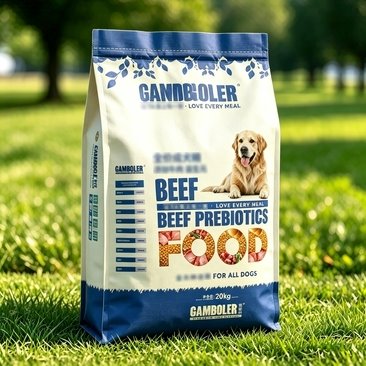
If you’re a pet food brand owner looking to reduce nutrient loss in your products, or you want to learn more about how our composite bags are tailored to your specific food type, we’d love to connect for a procurement discussion. We can share lab test data, sample bags, and work with you to design a packaging solution that fits your product, your budget, and your brand’s values.
Pet Food Bags References
- Pet Food Packaging Technology: Barrier Properties and Nutrient Preservation, Journal of Food Science, 2021
- Omega-3 Fatty Acid Oxidation in Dry Pet Food: Effects of Packaging Barriers, Animal Nutrition Journal, 2019
- Light-Induced Degradation of Water-Soluble Vitamins in Pet Food, Journal of Agricultural and Food Chemistry, 2020
- Seal Integrity and Nutrient Retention in Flexible Pet Food Packaging, Packaging Technology and Science, 2022
Zhejiang Xifeng Packaging Co., Ltd.
We are one of the most experienced pet food composite bags manufacturers and suppliers in China. With a professional production team, we offer a wide range of products with superior quality. Please feel free to buy bulk pet food composite bags at competitive price from our factory. We also accept customized orders.
Address: Xiaojiang Town, Pingyang County, Wenzhou City, Zhejiang Province, China
E-mail: zjxifeng@126.com
WebSite: https://www.xifengpackaging.com/
