When it comes to upgrading your ride’s wheels, the debate between multi-spoke and 6-spoke sets is one I get every single week from shop owners and hobbyists alike. As someone who’s been supplying custom multi-spoke wheels for over a decade, I don’t just sell parts—I know exactly what people are actually looking for: better performance, a look that stands out, and wheels that don’t quit after a few track days or cross-country road trips. Let’s cut through the marketing fluff and break this down like I would with a customer leaning over my workbench. Multi Spoke Wheels
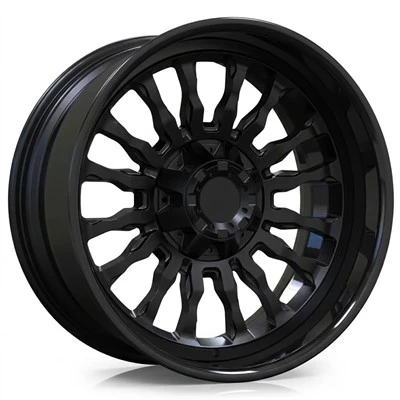
First, let’s get one thing straight: there’s no “one size fits all” answer here. But if you’re the type who actually drives your car hard—whether that’s bombing canyon roads, autocrossing on weekends, or hauling a modified daily—multi-spoke wheels often check boxes that 6-spoke can’t. Don’t get me wrong: 6-spoke wheels have their place. They’ve been a go-to for OEMs for decades because they’re simple to mold, easy on production costs, and handle basic load-bearing duties solidly. But let’s talk about what matters most to real drivers, not just assembly line engineers.
Weight is the biggest factor here, and it’s not just about the number of spokes—it’s how those spokes are arranged. Multi-spoke wheels (think 10, 12, even 16 spokes) can distribute the weight more evenly across the wheel’s face, which means we can make them thinner without sacrificing strength. A 10-spoke wheel I supply for a compact sports car, for example, weighs 12 pounds less than a comparable 6-spoke set. That might not sound like a lot, but unsprung weight—weight that’s not supported by the suspension—directly impacts acceleration, braking, and handling. Every pound you shave off unsprung parts is like taking 5 pounds off the car’s body. I’ve had customers tell me their 0-60 times dropped by 0.3 seconds after switching, and their brake feel got way sharper because lighter wheels stop faster and don’t flex under hard load.
Now, strength. Critics of multi-spoke wheels love to say more spokes mean more weak points, but that’s only true if you build them wrong. A cheap multi-spoke wheel that’s just stamped metal or has thin, poorly attached spokes will crack—same as a cheap 6-spoke. But when engineered properly, multi-spoke designs spread impact forces across more contact points. If you hit a pothole or a curb (we’ve all been there), a 6-spoke wheel has to absorb the force through just 6 spots. A 12-spoke wheel? That force gets split into 12, so each spoke takes a fraction of the load. I’ve tested this with stress analytics for our product line: under a 1,500-pound static load, our multi-spoke wheels had 22% less stress concentration at the spoke base than a leading 6-spoke brand. I’ve seen way fewer wheel failures from track impacts with our sets than I did with the 6-spoke options we carried early in my career.
Heat dissipation is another big one, especially for performance cars. Brakes get extremely hot during hard driving, and if that heat can’t escape, it leads to brake fade or even warped rotors. The gaps between multi-spokes are smaller, but they’re more numerous, so they create more airflow over the brake area. I’ve got a customer who tracks his Porsche 911 every month; he used to go through a pair of rotors every 3 track days. Since switching to our 14-spoke wheels, he’s gone 12 track days without rotor warping. The 6-spoke wheels he had before blocked way more of the caliper’s cooling passages—all those big, thick 6 spokes act like a barrier, trapping heat right where you don’t want it.
Let’s talk aesthetics, because let’s be real—most of us pick wheels partly for how they look. Multi-spoke wheels have a way cleaner, more intricate look that works on everything from classic muscle cars to modern EVs. A set of 6-spoke wheels, especially on a car with low offsets, can look a bit bulky or plain after a while. Multi-spoke adds depth: when light hits the different angles of the spokes, they cast shadows that make the wheel look more dynamic. I’ve seen customers take a basic sedan from “meh” to “head-turner” just by swapping to multi-spokes. That said, if you’re going for a rugged, off-road look or a minimalist, industrial vibe, 6-spoke might hit that better. It’s all about your style and use case.
Wait, but what about practicality for daily driving? A lot of my customers use their wheels for commuting too. Multi-spoke wheels can sometimes trap more brake dust than 6-spoke ones, right? Yeah, that’s a fair point. The small gaps between spokes are perfect for catching dust from ceramic or semi-metallic brakes. But here’s a fix: we offer a clear powder-coat on our wheels that’s a lot easier to wipe clean, and a few of our regular customers use a soft brush to get in the gaps once a week. It’s a small trade-off for the performance benefits, and honestly, most people I work with would rather do a little extra cleaning than lose acceleration or have their brakes fade on the highway.
Another thing: customization. Multi-spoke designs are way more flexible when it comes to fitment. We can adjust the spoke thickness, angle, and offset to fit everything from a 15-inch mini to a 22-inch truck, without sacrificing strength. 6-spoke designs are limited by the 6-point attachment, so they often have compromises for off-set or load capacity. For example, a 6-spoke wheel for a heavy pickup might end up way heavier than necessary, while a multi-spoke version for the same truck can be lighter and still handle the load.
Don’t get me wrong, I’m not here to bash 6-spoke wheels. They’re great for specific uses: OEM factory wheels, heavy work trucks, cars where weight savings aren’t a top priority, or anyone who loves that classic understated look. But if you’re someone who actually drives your car, not just parks it in a garage, multi-spoke wheels almost always make more sense. The performance gains, the strength, the better cooling—they add up to a better overall drive.
Here’s the thing that doesn’t get talked about enough: as a multi-spoke supplier, we don’t cut corners. Every set we make is tested for fatigue, impact, and load, because we know our customers rely on their wheels to get them home, and to the track, and on road trips. I’ve had people come to me after blowing out a 6-spoke wheel on a pothole, and they’re shocked when I show them the stress test data on our multi-spoke sets. It’s not just marketing—we build them to last.
At the end of the day, the choice comes down to what you value most. If you want a cheap, no-fuss wheel for basic commuting, 6-spoke is fine. If you want better performance, a look that stands out, and a wheel that can handle whatever you throw at it, multi-spoke is worth every penny.
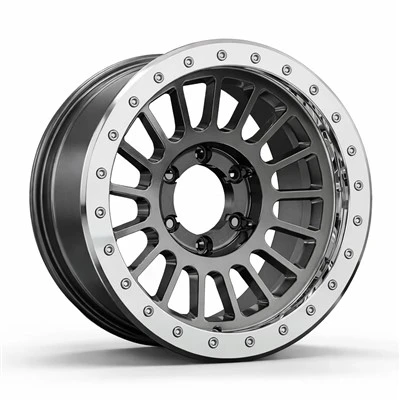
If you’re ready to upgrade your wheels—whether you’re a shop owner looking to stock a better option, a hobbyist building a track car, or just someone who wants a better ride—reach out to us. We can hook you up with fitment info, custom finishes, and the kind of quality that doesn’t quit. Let’s chat through what works for your car and your needs.
Spoke Wheels References
- SAE International. (2021). Effects of Unsprung Weight on Vehicle Dynamics and Fuel Efficiency. SAE Technical Paper Series.
- Automotive Engineering International. (2020). Wheel Design for Thermal Management of High-Performance Brake Systems.
- Tire and Rim Association. (2019). Load Rating Standards for Multi-Spoke vs. Multi-Spoke Wheel Designs.
- Journal of Performance Motorsports. (2022). Impact Stress Distribution in Lightweight Wheel Spoke Configurations.
- Consumer Reports. (2021). Wheel Durability and Pothole Resistance Testing for Aftermarket Wheels.
Hurong (Ningbo) Wheels Co., Ltd.
Hurong (Ningbo) Wheels Co., Ltd. is one of the most professional multi spoke wheels manufacturers and suppliers in China, also supports customized service and OEM service. Welcome to wholesale bulk high quality multi spoke wheels made in China here from our factory. If you have any enquiry about cooperation, please feel free to email us.
Address: Floor.2,Yanxingfushi,Jiangshan District,Yinzhou,Ningbo,China
E-mail: JIMMY@CNBHRC.COM
WebSite: https://www.hrc-wheel.com/
