When I first started working as a rollstock film supplier over a decade ago, most of my industrial clients came to me asking for packaging solutions that were “tough enough to survive a factory floor.” Back then, many of them were still using outdated methods: heavy cardboard boxes that crumpled during transport, loose stretch wrap that slipped off pallets, and even basic plastic bags that tore with a single snag on a machine part. Over the years, I’ve had countless conversations with plant managers, packaging engineers, and operations teams, and one question comes up more often than any other: “Can rollstock film actually work for industrial product packaging?” Rollstock Film
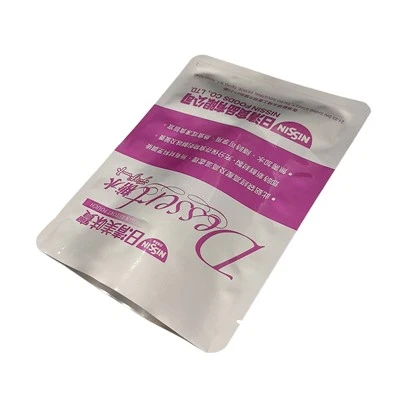
The short answer is yes—but the long answer is where the real value lies, because rollstock film isn’t a one-size-fits-all product. It’s a category of flexible packaging material, formed into continuous rolls and fed automatically into vertical form-fill-seal (VFFS) machines. Unlike the consumer-grade rollstock you see snack food in, industrial rollstock is engineered with specific properties that address the unique pain points of industrial products: heavy weight, sharp edges, exposure to extreme temperatures, and long-distance transport. Let me break down what that means, based on the projects I’ve supported over the years.
First, consider the core needs of industrial product packaging. Most industrial items—think automotive components, metal parts, machinery spare parts, electronics enclosures, or even bulk raw materials like resins and fasteners—aren’t delicate. But they are demanding. They need protection from moisture, which can cause rust on metal parts or corrosion on circuit boards. They need resistance to punctures: a sharp bolt, a rough metal edge, or a jagged piece of bulk material should’t tear the packaging mid-packing or mid-transit. They need durability enough to withstand warehouse stacking, forklift impacts, and cross-country shipping in unheated trucks or storage in cold outdoor yards.
That’s where rollstock film shines. For example, I worked with a manufacturer of agricultural gear shafts last year. Their old packaging method was custom-cut cardboard boxes with foam inserts, which cost 20% more per unit than their packaging budget allowed and still had a 12% damage rate during transit. We switched them to a 7-mil coextruded polyolefin rollstock film, which their VFFS machine forms into tight, secure bags around each shaft. The film has a treated outer layer for scuff resistance and a inner layer with a moisture barrier rated to hold 99.9% of external moisture out for 6 months. Within three months, their damage rate dropped to 1.8%, and their packaging cost per unit was 15% lower. That’s the kind of result that makes industrial managers sit up and take notice.
But here’s a common misconception: some industrial teams think rollstock is only for small, consumer-facing items. That’s not true. We supply rollstock up to 12 feet wide for bulk packaging applications, like palletizing groups of steel rods or packaging 50-pound bags of plastic pellets. For these bulk uses, the strength of rollstock stands out even more than its barrier properties. Unlike stretch wrap, which can loosen over time as pallet tempatures shift, rollstock forms a hermetic seal that stays tight for years. We also have a line of UV-stabilized rollstock for products stored outdoors, which doesn’t become brittle or fade after 6 months of sun exposure—something no cardboard or basic plastic film can match.
Another big advantage of rollstock film for industrial use is operational efficiency. For industrial facilities that run high-volume production lines, manual packaging is a bottleneck. VFFS machines that use rollstock film can package 50 to 500 units per minute, depending on the model, which eliminates the need for 2 or 3 part-time packaging workers. I worked with a fastener manufacturer that had 4 packaging staff on shift; after switching to VFFS with rollstock, they cut that to 1 and reallocated the rest of the team to quality control, which reduced their product defects by another 8%. That’s a double win: lower labor costs and higher product quality.
That said, rollstock film isn’t right for every industrial packaging job. I’ve had clients come to me looking to package large, irregularly shaped items like industrial pumps or prefabricated metal beams, and in those cases, flexible rigid packaging or custom crate solutions still work better. I also won’t recommend rollstock for applications that require direct food contact, though we do have FDA-compliant grades for clients that package industrial food additives like powdered sweeteners. The key is matching the film’s properties to the product’s specific needs, and that’s where a good supplier—like the team I work with—adds value. We don’t just sell rollstock; we work with clients to test different thicknesses, barrier layers, and treatments to find the exact fit.
Last year, I did a test with a manufacturer of electrical transformers, which needed packaging that could protect the unit from dust, moisture, and physical impact during shipping. Their initial idea was heavy wooden crates, which cost $120 per unit and added 20 pounds of weight to each shipment (increasing freight costs). We tested a 10-mil laminated rollstock film with a aluminum vapor barrier, plus a small edge protector for the transformer’s sharp corners. The total packaging weight per unit dropped to 3 pounds, and the material cost was $35 per unit. The transformer manufacturer ran a side-by-side test of 10 units packaged the old way and 10 with our rollstock solution, and the only damaged unit was the one in the wooden crate that had been dropped during handling. That was the kind of result that changed their entire packaging strategy.
I’ve also seen rollstock adapt to emerging industrial needs, like the push for sustainable packaging. Many industrial clients are moving away from single-use plastic, and rollstock film has made huge strides here. We now offer mono-material rollstock films that are recyclable through standard plastic packaging programs, as well as films made from post-consumer recycled (PCR) plastic. The agricultural gear shaft manufacturer I mentioned earlier switched to our 40% PCR content rollstock last year, and their customers appreciated the sustainability angle without any loss in performance. For industrial brands that need to meet ESG targets, that’s a big selling point.
Of course, there are challenges to implementing rollstock film for industrial packaging. The biggest one is upfront equipment cost: a VFFS machine can cost between $5,000 and $50,000, depending on size and speed. But I’ve seen that payback period can be as short as 6 months for high-volume operations, when you factor in lower material costs, less product damage, and reduced labor. For smaller industrial operations that can’t justify a new machine, there are still options: contract packaging services that use rollstock film and VFFS equipment, so you don’t have to invest in your own machinery.
Another challenge is storage: rollstock film is sold in large rolls, so you need enough warehouse space to store them without damage. But unlike loose packaging materials, rollstock takes up far less space than stacked cardboard boxes or custom crates. I recently helped a metal parts manufacturer downsize their packaging storage area by 30% after switching to rollstock—they used the extra space to store raw materials, which added to their production capacity.
So, to circle back to the original question: yes, rollstock film absolutely can be used for industrial product packaging. It’s not a replacement for every type of packaging, but for the majority of industrial applications, it offers a combination of durability, cost savings, operational efficiency, and even sustainability that traditional solutions can’t match. Over the last decade, I’ve seen clients go from viewing rollstock as a “consumer packaging product” to a core part of their industrial supply chain. That shift happened because we stop selling them a roll of film and start solving their specific pain points.

If you’re an industrial operations manager, packaging engineer, or plant leader who’s tired of high packaging costs, product damage, or slow packaging lines, I’d encourage you to reach out to discuss your needs. We can walk you through case studies of similar industries, test small sample rolls of film to see how it works for your products, and help you map out the transition to rollstock packaging that makes sense for your budget and goals.
Solutions References
- “Flexible Packaging for Industrial Applications”, Flexible Packaging Association, 2022.
- “Coextruded Polyolefin Films: Properties and Industrial Use Cases”, Journal of Industrial Packaging, Vol. 18, No. 3, 2021.
- “Sustainable Flexible Packaging: Trends in Industrial Rollstock Films”, Global Packaging Report, 2023.
- “Operational Efficiency in Industrial Packaging: Case Studies of VFFS Implementation”, Industrial Engineering Journal, 2022.
- “Moisture Barrier Films for Metal Product Packaging”, Material Science and Packaging Review, Vol. 9, No. 2, 2020.
Qingdao Senlida Packing Co., Ltd.
Qingdao Senlida Packing Co., Ltd. is one of the most experienced rollstock film manufacturers and suppliers in China since 1995. With a professional production team, we are able to meet the needs of the majority of our customers. Please feel free to buy high quality packing products at competitive price from our factory.
Address: No.299 Feichao Road, Luwang Town, Huangdao District, Qingdao, Shandong Province, China.
E-mail: liuxh@qdsenlida.com
WebSite: https://www.senlidapacking.com/
