Hey there, Packaging Roll Film
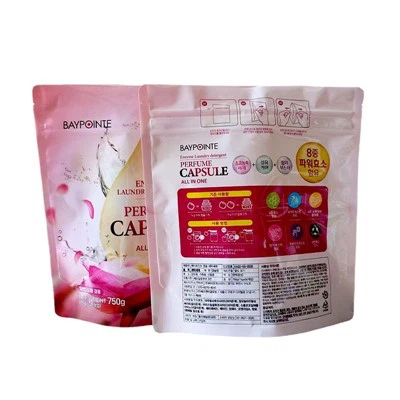
If you’re here, chances are you’ve got a pile of used packaging roll film sitting around, and you’re wondering what to do with it. Maybe you’re a small business owner who’s been churning out product labels or shrink wrap for months. Or maybe you’re even on our team—wait, no, I’m one of the owners of the Packaging Roll Film supplier you probably get your stock from, and let me tell you, I’ve fielded this exact question a hundred times. It’s not like people just toss empty rolls in the trash without a thought, right? A lot of us care about waste, and with plastic stuff everywhere, it can feel overwhelming to figure out the right move.
First off, let’s get one thing straight: used packaging roll film isn’t the same as your random grocery bag. We make our film from different materials—most of ours is either BPA-free polyethylene (PE) or polypropylene (PP), some is even compostable if you opt for our eco-line. But when it’s used, it’s got a little bit of whatever it wrapped still on it: maybe food residue, labels, adhesive from sealing, even a leftover sticker or two. That small mess is why a lot of curbside recycling programs say “no thanks” to it. I’ve seen people dump it anyway and get it rejected at the drop-off, so let’s skip that frustration and get into what actually works.
Let’s start with the easiest first step: check if your local recycling program accepts it. A lot of folks don’t realize that big box stores—like Walmart, Target, even some grocery chains with a customer service desk—have film recycling bins. Those bins are specifically for flexible plastic film, and our packaging roll film fits perfectly there. The key here is making sure it’s clean, and that you don’t mix it with other stuff like hard plastic bottles or bags that have food caked on. I always tell my team when we swap out rolls at our warehouse, we snip off any leftover film that’s too small to reuse, wipe it down with a dry cloth, and stuff it straight into our own store’s bin. It takes 30 seconds, and I know it’s not going to end up in a landfill.
Wait, but what if you’re a business with a ton of used rolls? Like, if you run a bakery that uses shrink wrap for tray packs, or a cosmetics brand that runs 24/7 production—you’re not just dealing with 10 rolls, you’re dealing with a few hundred. Curbside won’t cut it here, and store bins might not take commercial volumes. That’s where industrial film recycling comes in. A lot of local recycling companies offer pickup for commercial waste, specifically for flexible plastics like our roll film. The nice part is that industrial facilities can process this way better than residential ones because they have machines that can sort out any tiny bits of residue or labels that snuck on. I’ve worked with a few local companies that pick up from small manufacturers and packaging shops, and it ended up being way cheaper than I thought it would. Plus, you get to check that “sustainability” box for your business—customers love that.
But here’s the thing: not all film is created equal. A while back, we had a client come to us panicking because they thought their custom printed roll film couldn’t be recycled. Turned out, if the print is just ink (not a toxic coating), it’s totally fine. The recycling process sorts the plastic first, and the ink gets stripped during processing, no problem. The only time printed film is a headache is if it has a metallic foil layer—some recycling facilities can’t handle those, because the metal messes up the batch. If that’s the case, don’t throw it away. Look into specialized recyclers that process mixed or multi-layer plastics. A quick Google search for “multi-layer plastic recycler” in your area will pull those up, and they usually have drop-off locations or even pickup for bulk stuff.
Now, what if you’re all about that circular life? Like, instead of recycling, could you reuse the rolls? I’ve got a buddy who runs a candle shop, and he uses our clear PE film to wrap candles, then when he’s done with a roll, he cuts the leftover core (the cardboard tube inside) into small pieces and uses them as wick holders. Wait, no, actually—wait, the film itself: he’ll clean the used roll, cut it into small squares, and use them as protective covers for his wax melting pots. Genius, right? And if you don’t have a use for it, give it away. Post a free ad on Facebook Marketplace or Nextdoor. A lot of small makers, teachers (they use it for art projects), or even other packaging businesses will jump at free film rolls that are still in good shape. It beats sending it to a processor, even.
And let’s not sleep on compostable film, because we sell a lot of that too now. If you opt for our certified compostable packaging roll film, it needs to go to a commercial compost facility. Regular backyard composts can’t break down that kind of plastic—they need high heat and specific microbes. A lot of cities have commercial compost drop-offs, or you can mail it back to us if you’re in a pinch? Wait, no, we started a small take-back program for our own compostable film, because we wanted to make it super easy for customers. If you send back your used compostable rolls (cleaned, obviously) to our warehouse, we process them into soil amendment ourselves. It’s a little side project we launched last year, and it’s been a hit. I tell every customer who asks about eco-film about that, because it takes all the guesswork out.
But let’s be real—sometimes, no matter how hard you try, you end up with a roll that’s too beat up, too dirty, or just too small to recycle or reuse. What then? Don’t dump it in the regular trash. I know it’s tempting, but if you have to throw it away, check if it’s accepted at waste-to-energy facilities. Those burn non-recyclable plastics to generate electricity, which is way better than letting it sit in a landfill for hundreds of years. A lot of countries and even U.S. regions have these facilities, and your local waste management company can tell you if they take flexible film for that. Just make sure it’s not mixed with other hazardous stuff—no chemicals, no food that’s toxic, just the film.
Wait, I should address the common mistakes people make here, because those are the ones that mess everything up. First: don’t leave labels on. The adhesive on roll labels can contaminate recycling batches. Just peel them off—they’re usually paper, so you can throw those in recycling or compost. Second: don’t ball it up. I’ve seen people stuff used film into a tight ball, and that’s a big no. Those balls get stuck in recycling machinery and can cause whole batches to get rejected. Roll it loosely into a tube or flat sheet, don’t crumple it. Third: don’t mix it with other plastics. If you put your used roll film in a bin with soda bottles, milk jugs, that’s not right. Separate it because it’s a different type of plastic, and it won’t get processed with hard plastics.
For all our regular customers, I always send a little reminder with every order: “Don’t toss your used roll film—here’s how to handle it.” We also post a step-by-step on our website, but I get that not everyone has time to click around online, so I always say the easiest way is: 1) Clean off any gunk, 2) Pull off labels, 3) Take to a retail film bin, or 4) If you have a ton, call a local commercial recycler. It’s not rocket science, but it’s way better than making a mistake and having it end up in the wrong place.
Look, we’re all in this together. I started this business 10 years ago because I saw how much packaging waste was piling up, and I wanted to make film that was actually usable, not just another throwaway item. But part of that responsibility is knowing what to do with it when it’s used. If you’re a small business or even just a person who uses our film for personal stuff, don’t stress if you’re not perfect—just do your best. And if you have a whole lot of used rolls that you can’t figure out, hit us up. We’re not just a supplier—we’re here to help with that stuff too. Whether you need a referral to a local recycler, info on our take-back program, or just someone to chat through options, we’re here.
At the end of the day, disposing of used packaging roll film doesn’t have to be a headache. It’s small steps, but those steps add up. Every roll you recycle instead of toss is one less piece of plastic in a landfill, right? So next time you swap out that empty roll, take 2 minutes to clean it, pop it in the right bin, and pat yourself on the back. You’re doing good.
If you’re a business looking to upgrade to more sustainable packaging or need a reliable supplier for new roll film, feel free to reach out to our team to chat about what works for you. We’re always here to help.
Packaging Roll Film References:
- Environmental Protection Agency. (2023). Plastic Waste Reduction and Management. U.S. EPA.
- Flexible Packaging Association. (2022). Recycling Guidelines for Flexible Packaging. FPA.
- Composting Council of America. (2021). Certified Compostable Products: Disposal Requirements. CCA.
Shenzhen Hongbang Packaging Production Co., Ltd.
We are one of the most experienced packaging roll film manufacturers and suppliers in China, specialized in providing high quality custom service. Please feel free to buy bulk packaging roll film made in China here from our factory. For quotation and free sample, contact us now.
Address: Room 601, BLDG D, Wisdom Centre, No. 58 Nanlian Road, Longgang, Shenzhen China 518116
E-mail: pm@hongbangpack.com
WebSite: https://www.hongbangpack.com/
