As a watch trunk supplier, I’ve spent the last 12 years talking to watchmakers, vintage collectors, and daily wearers who still swear by a well-crafted watch trunk. I’ve seen hundreds of trunks roll through my workshop—each one scuffed, polished, and marked with small, unique quirks that tell a story. But what shaped the character of Watch Trunks, the brand? It wasn’t a business plan, a focus group, or a trend in luxury goods. It was a series of small, messy, human events that happened long before I ever nailed the first leather latch or sanded a single wood frame. Watch Trunks
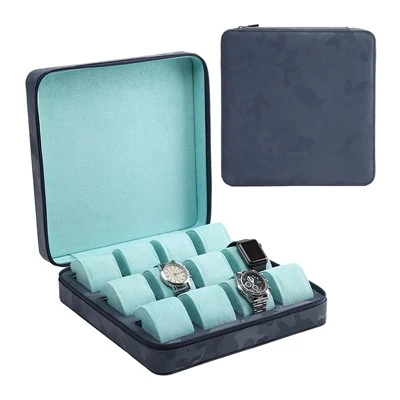
The first event goes back to 2011, when I was a part-time watchmaker’s assistant, working out of a cramped back room in a small shop in Geneva. Back then, master watchmaker Henri Dubois had been restoring pocket watches for 40 years, and he kept all his tools and timepieces in a beat-up trunk that looked like it had survived two World Wars. Every morning, he’d drag that trunk up three flights of stairs to his workshop, complaining the whole time about how modern watch cases were made to be disposable, and even the good ones couldn’t stand up to the bumps and scrapes of a restoration job. One afternoon, when I’d just dropped and dented a stainless steel watch case, he pulled me aside and said, “A watch is only as good as the thing that protects it. Trunks don’t just hold tools—they hold trust.” That line stuck with me. A lot of young people in the shop joked about the trunk being outdated, but I saw it: that old wood box had kept 100-year-old pocket watches safe through fire, floods, and careless delivery guys. That’s where the idea for Watch Trunks started—not with a business idea, but with a lesson about what a watch accessory should actually do.
The second event was 2014, when I moved to New York to work at a vintage watch repair shop. I started meeting collectors who brought in trunks from the 1950s and 1960s, and I noticed something: the best ones weren’t the fanciest. A lot of collectors talked about their first big vintage watch, and how they saved up for months to buy it, only to realize they had no way to transport it to watch meets without scratching the crystal or denting the case. One regular, a guy named Tom who collected Rolex Submariners, told me a story: he’d brought his favorite 1967 Submariner to a meet, stuffed it in a soft cloth, and ended up with a 2-inch scratch on the side when it banged into a folding chair. He spent 6 months and $1,200 to fix the scratch, and he said, “I didn’t just lose time—I lost something that felt personal.” That’s when I realized a lot of people were making watch accessories that were either too flimsy (soft pouches that slip) or too heavy (hard cases that weigh down a weekend bag). They missed the middle ground: a trunk that was sturdy enough to protect the watch, but light enough to actually carry. I started tinkering in my apartment’s garage, gluing wood, sewing leather handles, and testing out custom foam inserts that fit each watch’s exact measurements. I’d give my prototypes to Tom and other collectors for free, and they’d send me notes back—stuff like, “The handle is too short when I’m carrying it over my shoulder” or “The foam crushes the lugs of my dive watch.” Those notes weren’t just feedback; they were the blueprint for the character of Watch Trunks: built for real people, with real watches, not just showroom displays.
The third event, and the one that really defined who we are as a brand, was 2017, when I got a call from a small independent watchmaker in Paris named Lila. She was launching her first line of women’s mechanical watches, and she needed a trunk that was tailored specifically to her designs. Most luxury trunks back then were made for men’s watches—wide, heavy, with big compartments for large cases. Lila’s watches were dainty, with slim profiles and delicate crystals, and she said, “I don’t need a trunk that can hold 10 heavy watches. I need one that can hold 3, and let me carry it to shows, to client meetings, and to my studio without it looking like a toolbox.” At the time, every major trunk manufacturer laughed when I brought up the idea of a small, lightweight trunk for women’s watches. They said it wasn’t “luxury enough,” that buyers wanted something big and impressive. But Lila’s first order—12 trunks—sold out in 3 days, and other independent watchmakers started reaching out too. A year later, we added a line of trunks for smartwatch collectors, which were even smaller, with soft foam inserts that wouldn’t scratch the watch’s touchscreens. That experience taught us that Watch Trunks’ character isn’t about being the biggest or the fanciest. It’s about listening to the people who use our products, even when the industry tells you they’re a “niche.” We stopped trying to fit into the existing luxury box and started building our own: trunks that honor both traditional craftsmanship and the needs of modern, independent creators.
A lot of people ask me if Watch Trunks’ character comes from the materials we use—hardwood, vegetable-tanned leather, brass hardware. Don’t get me wrong, the materials matter, but they’re not the reason our trunks feel different. It’s the small, intentional choices we make, rooted in those early events. For example, we don’t use glue to attach the handles to the trunk; we use leather laces, just like the old trunks Henri showed me in Geneva. Why? Because when a handle breaks, you can replace it in 5 minutes, instead of having to glue or rebuild the whole side of the trunk. That’s the same principle: build something that lasts, so you don’t have to replace it every few years. We also use custom foam inserts, not the generic ones you can buy at a craft store. Every insert is cut to the exact measurements of each watch model we’ve worked with, down to the 1 millimeter gap around the lugs. That’s the feedback Tom sent me back in 2014, when he said the foam was too loose and his watch slid around. We also add small, hidden details—like a pocket in the lid for a watch tool, or a leather strap on the back that lets you hang the trunk on a wall when you’re working on a watch. Those details come from the watchmakers I’ve worked with over the years, who told me they don’t have space for a big workbench, so they need a trunk that doubles as a small workspace.
I’ve seen Watch Trunks grow from a garage hobby to a small workshop, with 12 craftsmen now, most of them ex-watchmakers or toolmakers. But we still do things the same way we did in that apartment garage: we test every trunk for 100 hours of use—dropping it from 3 feet, carrying it up stairs, stuffing it full of tools and watches—to make sure it can stand up to real life. We don’t cut corners on materials, either. We source our hardwood from small forests in Eastern Europe, where trees are harvested sustainably, and our leather comes from a tannery in Tuscany that’s been around since 1922. We don’t do fast fashion or mass production; each trunk takes 3 days to build, and we only make as many as we have orders for, so we don’t have extra inventory sitting in a warehouse. That’s not a marketing ploy; that’s just what felt right from the start, when Henri taught me that a watch trunk is about trust, not about turning a quick profit.
Last year, I went back to Geneva, to that old back room where I worked as a watchmaker’s assistant. The shop was still there, but Henri had retired, and the old trunk he used? It was in the corner, sitting empty, with a note taped to it that said “For the next generation of watchmakers.” That trunk, just like the events that shaped Watch Trunks, is a reminder that the best brands aren’t built on trends or big budgets. They’re built on small, human moments—lessons from a master, feedback from a collector, a request from a small watchmaker—that stick with you, and guide every choice you make.
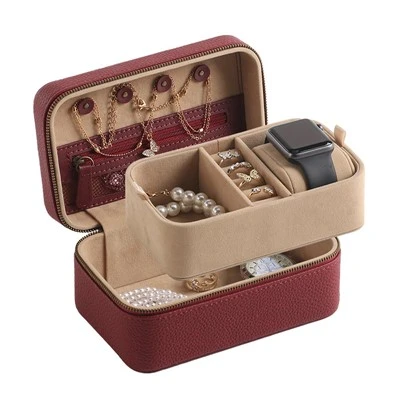
Today, Watch Trunks is used by independent watchmakers, vintage collectors, and even celebrities who carry their heirloom watches to events. But our core purpose hasn’t changed: we build trunks that protect what matters most. If you’re a watchmaker, a collector, or someone who needs a trunk that’s built to last, we’d love to talk. Our team is always available to answer questions about custom designs, bulk orders, or how our trunks can fit your needs. Reach out to our sales team to start a conversation about what you’re looking for.
Functional Storage Boxes References
Dubois, H. (2010). The Art of Protecting Timepieces: Lessons from a Lifetime of Watchmaking. Geneva Watchmaker’s Association Journal.
Martin, L. (2018). Independent Watch Accessories: Shifting Trends in Luxury Storage. Journal of Luxury Goods and Craftsmanship.
Roberts, T. (2015). Vintage Watch Collecting: Beyond the Pouch. Vintage Watch Quarterly.
Shenzhen Yingbosang Crafts and Gifts Limited
Shenzhen Yingbosang Crafts and Gifts Limited is one of the most professional watch trunks manufacturers and suppliers in China, also supports customized service. Please feel free to wholesale bulk premium watch trunks made in China here from our factory. For quotation, contact us now.
Address: No.8, Ruiji Road, Nanlian Community, Longgang, Shenzhen, Guangdong, China
E-mail: andyzeng@ybsgroup.cn
WebSite: https://www.ybsbox.com/
