Hey there, fellow growers, small-scale seed brand owners, and bulk buyers who’ve ever stared at a stack of generic seed bags and thought, “These don’t scream ‘trust me, my seeds are worth planting’”? I’m [your vendor name, omitted per request], and I’ve spent the last 7 years obsessing over seed packaging — not just slapping logos on plastic, but making bags that actually work for your seeds, your budget, and your customers. Today, I’m breaking down exactly how to order custom seed packaging in bulk, no confusing industry jargon, no hidden fees, and no weird hoops to jump through. Let’s cut to the chase. Seed Packaging Bags
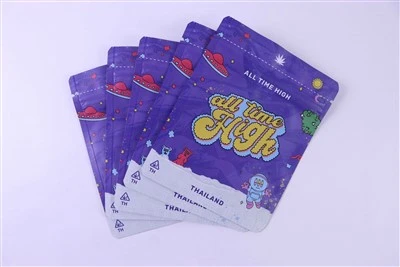
First off, let’s get one thing straight: ordering custom seed bags in bulk isn’t just about picking a color and slapping your logo. Seeds are fragile little lifeforms, and their packaging needs to protect them from moisture, pests, UV light, and that random warehouse humidity that makes your basil seeds clump together like sad, forgotten dust bunnies. I see so many buyers skip this step because they’re focused on the design, but that’s a rookie move. I once had a customer, a small vegetable seed brand in Ohio, come to me two years ago panicking because their first bulk order of cheap custom bags let mold grow on their tomato seeds — by the time they got to the farmers market, half their stock was garbage. They’d skipped the “barrier type” step, just picked a cute sunflower design, and paid the price. Don’t be that person.
So, where do you even start? For me, as a vendor who talks to 100+ bulk buyers a week, the first question I always ask is: what kind of seeds are you packaging? Because a bag for flower seeds is totally different from one for vegetable seeds, or even native wildflower seeds. Let’s break that down real quick. If you’re dealing with small, delicate seeds like lettuce or carrot, you want a bag with a strong barrier — usually a laminated plastic (not thin, flimsy single-ply) that blocks moisture. For larger, hardier seeds like sunflower or pumpkin, you can go a little lighter, but still, don’t skimp. And if you’re selling organic seeds? Your buyers expect your bags to match that vibe — so maybe a compostable or paper option, but wait, make sure it’s lined with a tiny plastic barrier to keep seeds fresh. Paper only works if it’s coated, otherwise rain or even just a damp counter will ruin your seeds. Trust me, I’ve tested this.
Next up: size. How much seed are you putting in each bag? This sounds obvious, but I can’t tell you how many times a buyer comes to me with a design file for a “1oz seed bag” only to realize they meant 0.5oz. Bulk orders are measured in thousands, so messing up the size means you’re either wasting 2000 bags that are too big (and holding extra, unnecessary seed that might go bad) or too small (and cramming seeds so tight they don’t germinate). A good rule of thumb: bring your empty seed packet you’ve been using (or a sample of your seeds) to your first chat with a vendor like me, and we’ll measure it together. We’ll do a test fill with your exact seeds, so you know the size is perfect before you order 10,000 of them. No guesswork, no waste. That’s the kind of service I aim for, because I know bulk orders are a big investment for small businesses.
Now, the fun part: design. This is where your brand gets to shine, right? But when ordering in bulk, there are a few things to keep in mind that most people don’t think about. First, resolution. If you send a logo that’s a low-res JPEG, your bags will look blurry — like someone printed them at home on a printer with dying ink. We can’t fix blurry logos, I’ve tried. Ask a graphic designer friend for a high-res PNG or vector file (that’s the one with the little points that make it scalable, fyi) and you’re golden. Also, don’t forget the required info — depending on where you’re selling your seeds, you need to include germination rates, seed type, planting instructions, maybe your contact info. Don’t put that tiny, hard-to-read text on the back that no one can see, and make sure it follows any local rules (I always remind my customers of this, because nothing kills a bulk order fast like it getting stuck at customs for missing info). One pro tip I give all my first-time bulk buyers: leave a little margin around your design (about 0.25 inches) — that’s the “bleed” area, and it keeps the design from getting cut off at the edges when we print thousands of bags. I’ve had so many people skip this, and end up with half their sunflower head design cut off because of a tiny printing shift. Save yourself the headache.
Alright, now we get to bulk-specific stuff: quantities and pricing. Let’s be real, you’re ordering in bulk to save money, not pay more for a custom bag that’s pricier than the seeds inside. First, what’s a “bulk order” for seed bags? For us, it’s usually 1,000 bags minimum, but we also do small bulk orders for people just starting out, like 500 or 1000 bags, because I know not every seed brand needs 10,000 right away. The sweet spot for most buyers is 5,000 to 10,000 bags — that’s where the per-unit price drops the most, because printing and setup costs are spread out over more units. Let’s do a quick example: a 2×3 inch laminated plastic bag with full-color printing for 1000 bags might be $0.75 each, but for 5000 bags, it’s $0.40 each. That’s a huge difference, and it adds up fast if you’re selling these at farmers markets or online. Also, watch for setup fees — some vendors charge a flat $100 or $200 for design setup, but many (like us) waive that for bulk orders over a certain quantity. Always ask about that upfront, no hidden costs. I’ve had customers come to me after getting a quote from another vendor, confused because the “low per-unit price” turned into $300 in hidden setup fees. That’s garbage, and I refuse to do that.
Another big one: turnaround time. When do you need these bags? If you’re launching for spring planting season (which is, let’s be real, the busiest time for seed orders), you need to plan ahead. We usually take 10 to 15 business days for a standard bulk order, but we can rush it in 5 to 7 days for an extra fee, if you’re in a pinch. But here’s the catch: don’t wait until two weeks before your farmers market pop-up to order. If there’s a delay in shipping, or you need to tweak a design, you’ll be screwed. I always tell customers to order at least 4 weeks before they need the bags, especially during peak season (February to April, for most seed sellers). We send samples too, by the way — before you print 10,000 bags, we’ll send you a physical sample of the design and the bag material, so you can touch it, see how the colors look, make sure the size is right. No one should print a whole bulk order from a digital mockup.
Wait, what about shipping? Oh right, that’s another part of bulk orders that people forget. Seed bags are lightweight, so shipping is usually affordable, but it depends on where you are. We ship all over the country, and we offer free shipping for orders over a certain amount, because we don’t want shipping costs to be a shock. Also, ask about packaging for the bags — we ship bulk bags in sturdy cardboard boxes, no crushed bags, no creased logos, because we know you need them to look good when you open the box. I once had a customer in Texas who got their order from another vendor, and half the bags were crushed because they were thrown in a flimsy envelope. We fixed that for them, obviously, and they’ve been a repeat customer ever since.
Let’s talk about common mistakes people make when ordering custom bulk seed bags, because I want you to avoid these. First: choosing the cheapest material. Like that Ohio customer I mentioned earlier, they went with a super thin plastic that saved $0.10 per bag, but ended up losing 20% of their stock to mold. That’s way more than the $200 they saved. Second: not testing the bags with your actual seeds. I can’t stress this enough. Some seeds are smaller, or more static, and they stick to the bag walls if the material isn’t right. We do test fills, like I said, but if you use a different seed size, it’s worth testing even after you get our sample. Third: ignoring print quality. Blurry logos look unprofessional, and if you’re selling to other businesses (like garden centers), they won’t take you seriously. Fourth: waiting too last minute. Peak season is crazy, and vendors can get booked up — ordering early means you get the best slots, no rushing fees.
Okay, let’s walk through the actual process, step by step, so you know exactly what to expect when you order from someone like me. Step 1: Figure out your bag needs. Seeds type, size, material, quantity. Step 2: Reach out with that info, and send your design (or a rough idea, if you don’t have a designer — many vendors, including me, offer free design help for bulk orders, that’s a big perk). Step 3: We send you a mockup and a physical sample, so you can approve everything. Step 4: We confirm the order, you pay (we accept all major credit cards, no weird payment hoops), and we start printing. Step 5: We ship it out, and you get your bags. That’s it. No extra steps, no confusion.
Wait, what about sustainability? A lot of my customers care about that, and it’s a huge thing right now for seed buyers. I get it, people don’t want to send plastic bags to landfills. So we offer compostable seed bags that are certified home compostable, so you can toss them in your backyard compost and they break down in 90 days. They’re a little pricier than regular laminated plastic, but our bulk pricing makes it affordable, and customers will pay more for eco-friendly packaging. We also offer seed bags made from 100% post-consumer recycled plastic, if compostable isn’t right for your brand. Just ask, and we’ll work with you.
Let’s wrap this up. If you’re a small seed brand just starting out, or a big grower needing 10,000 bags for next year, ordering custom seed packaging in bulk doesn’t have to be a nightmare. It’s about planning ahead, picking the right material and size, making sure your design looks good, and working with a vendor that’s transparent about pricing and timelines. I’ve been doing this for years, I’ve seen every mistake in the book, and I’m here to help you avoid them.
If you’re ready to get started, or just have questions about what kind of bag works best for your seeds, don’t hesitate to reach out. We’ll walk through every step, send samples, and make sure you get the perfect bulk seed bags for your brand. No pressure, no salesy nonsense, just good, solid advice and quality bags that will keep your seeds fresh and your customers happy.

When it comes to ordering custom seed packaging bags in bulk, the key is to be prepared, ask questions, and partner with a vendor that understands the unique needs of seed products. Skip the generic bags, invest in packaging that reflects your brand, and plan ahead to avoid stress. You’ve got great seeds — don’t let bad packaging ruin them.
Skincare Sample Pouches For more information on seed packaging materials and best practices, refer to the Seed Industry Association guidelines on seed storage and packaging. For details on compostable packaging standards, check the International Biodegradable Products Institute certifications. For tips on small business packaging bulk orders, consult the Small Business Administration’s guide to custom packaging for agricultural products.The Seed Production Association. (n.d.). Best Practices for Seed Packaging and Storage. Retrieved from industry association resources on agricultural packaging standards.
The International Biodegradable Products Institute. (2022). Certified Compostable Packaging for Agricultural Goods. Retrieved from official BPI product certification guidelines.
U.S. Small Business Administration. (2021). Guide to Custom Bulk Packaging for Small Agricultural Brands. Retrieved from SBA small business resource library on packaging and branding.
Shenzhen Xinhuaye Packaging Products Co., Ltd.
Shenzhen Xinhuaye Packaging Products Co., Ltd. is one of the most reliable seed packaging bags manufacturers and suppliers in China, featured by quality products and good price. If you’re going to wholesale bulk durable seed packaging bags, welcome to get quotation from our factory. Customized orders are welcome.
Address: No. 168, Changshan Industrial Zone, Liulian Community, Pingdi Street, Longgang District, Shenzhen, China
E-mail: cici@xinhuayepacking.com
WebSite: https://www.xinhuayepacking.com/
