Hey there, let’s cut to the chase: if you’re a pressure washer owner who’s ever spent way too long scrubbing caked-on grime off a patio, driveway, or that old shed, you’ve probably wondered if there’s a faster way. Spoiler alert: there is, and it’s a game-changing accessory most people sleep on—the pressure washer scrubber brush. As someone who’s spent years working in the high-pressure washer accessories game (let’s be real, I’ve tested every dud and decent one under the sun), I’m here to break down exactly what this thing is, why it’s not just a “fancy brush,” and why it’ll save you hours (and a sore back) next time you’re tackling a deep clean. High Pressure Washer Accessories
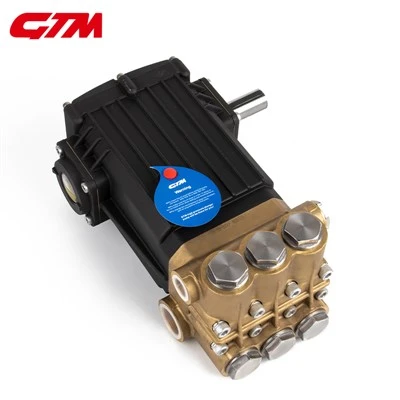
First off, let’s get the basics right: a pressure washer scrubber brush isn’t your regular old broom or a dish brush you use at home. It’s a heavy-duty attachment designed to connect directly to the wand of your pressure washer. That means instead of holding a separate brush and manually scrubbing while spraying water, you’ve got the pressure washer’s high-powered water working in tandem with the brush’s stiff, durable bristles. It’s like combining the muscle of a pressure washer with the elbow grease of a stiff brush—genius, right? No more kneeling on wet concrete, no more scrubbing till your arm aches, no more wasting half your day on a single section.
Wait, hold up—let’s make sure we’re not mixing this up with other pressure washer accessories. A surface cleaner is another big one, but that’s for large, flat areas like driveways; a scrubber brush is way more versatile. It can get into corners, around curbs, on uneven patio stones, even on vertical surfaces like garage doors or sidings. The bristles are usually made of tough polypropylene or sometimes nylon, and they’re arranged in a rotating pattern (either oscillating or power-driven) so they move as the pressure washer’s water flows through. Some even have a built-in skirt to keep water and dirt from splashing all over you—no more getting soaked mid-clean, bonus.
Now, why does this matter more than just holding a brush to your pressure washer? Let’s talk science for a sec—no boring lecture, I promise. Pressure washers work by forcing water through a small nozzle at super high PSI (pounds per square inch). The scrubber brush’s job is to lift and dislodge stuck-on gunk (think: oil stains, moss, mildew, road salt) that the pressure washer alone might blast off, but with way more control. The bristles break that grime’s grip on the surface, and the high-pressure water rinses it away immediately. It’s not just faster—it’s gentler too. Wait, what? Yeah, if you use the pressure washer alone on soft surfaces like wood siding or old patio stones, you can etch or damage them. The brush acts as a buffer, spreading the pressure evenly so you don’t ruin the surface you’re trying to clean. That’s a huge win for homeowners who’ve accidentally chipped their deck or stripped their fence because they cranked the pressure too high.
I’ve seen so many people skip buying a scrubber brush because they think, “I’ll just use my old garden brush.” But let’s be honest, garden brushes can’t handle the PSI. The stiff nylon ones might hold up for a minute, but they’ll either fray super fast or get pushed around by the water, making you work harder. The real deal pressure washer scrubber brushes are built to withstand 1500 to 4000 PSI (most residential pressure washers are in the 1300 to 2800 range, so that’s perfect) without breaking. They’re also designed to attach securely to standard pressure washer wands—quick-connect fittings, no tools needed, so you can swap it out with a nozzle in 10 seconds flat.
Let’s talk about when you’d actually use this thing, because it’s not just for driveways. Here’s the list I’ve compiled from years of helping customers: patio stones with moss or mildew that’s been there through winter, garage doors covered in dust and road grime after a snowstorm, wooden decks with caked-on food spills (if you’re hosting a BBQ and need to prep fast), sidings that have turned gray from pollen, even outdoor furniture like plastic or metal patio sets that have faded and got dirt caked into the crevices. Oh, and if you own a small business—like a café with a patio or a garage—this thing is a time-saver. We’ve had restaurant owners tell us they used to spend 8 hours a weekend scrubbing their outdoor tables, now they get it done in an hour with the scrubber brush.
Wait, but are there different types? Yeah, and that’s why it’s important to pick the right one for your setup. The main categories are: oscillating scrubber brushes (these have a spinning head, usually power by the pressure washer’s water flow, so the bristles move on their own—great for large, flat areas), manual scrubber brushes (no moving parts, you hold it while spraying, good for tight spots like around drain pipes or between patio stones), and specialized ones like telescoping scrubber brushes for high places like second-floor gutters or sidings. I always tell folks to start with a medium-duty oscillating brush if they’ve got a residential pressure washer— it’s the most versatile. If you only need it for small, tight areas, a manual one works, but you’ll end up doing more work that way.
Now, let’s get real about common mistakes. First, don’t use a scrubber brush that’s too tough for your pressure washer. If you’ve got a low-pressure 1500 PSI washer, a brush made for 4000 PSI will be way too stiff, and the movement won’t work right. Second, don’t use it without the right water flow—make sure the brush is compatible with your washer’s GPM (gallons per minute) too, not just PSI. Most good quality brushes list both specs, so just double-check before you buy. Third, don’t go too fast. Take your time, let the bristles work, and keep the pressure moving steadily—you’ll get a way better clean than rushing through it.
As a supplier of high-pressure washer accessories, I can tell you this: the scrubber brush is one of the most asked-about accessories we get. And it’s not just because it’s useful—people are tired of wasting time and money on crappy attachments that break after one use. A good pressure washer scrubber brush should last for years, not months, if you take care of it. Rinse it out after every use, let it dry completely, and store it in a cool, dry place—simple stuff that extends its life.
Let me wrap this up so it’s not a novel (even though we’re already here). A pressure washer scrubber brush is a heavy-duty, wand-connected attachment that pairs high-pressure water with stiff, durable bristles to lift and remove tough grime faster, gentler, and with less effort than scrubbing by hand or using a pressure washer alone. It’s versatile, works on almost any outdoor surface, saves you time and sore muscles, and is a must-have for anyone who owns a pressure washer, whether they’re a homeowner or a small business owner.
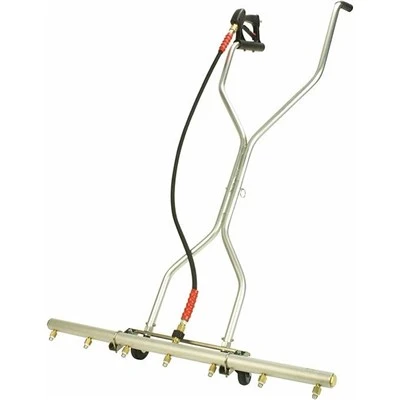
If you’re looking to grab a quality scrubber brush (or stock up if you’re a pro), we’ve got a full range of pressure washer accessories tailored to different PSI and GPM setups. We’ve tested every single one ourselves, so we know they work. Reach out anytime to chat about what would work best for your needs—no pushy sales talk, just straight answers. Let’s make your next deep clean way less of a chore.
Surface Cleaner Reference:
- Pressure washer accessory compatibility guidelines, Outdoor Power Equipment Institute (OPEI)
- Surface cleaning best practices for pressure washers, Consumer Reports
- Bristle durability testing for high-pressure cleaning tools, International Association of Cleaning and Restoration Companies (IICRC)
Zhejiang GTM Hi-Tech Intelligent Equipment Co., Ltd.
We are one of the most experienced high pressure washer accessories manufacturers and suppliers in China, also support customized service. Please feel free to buy discount high pressure washer accessories for sale here from our factory. Quality products and reasonable price are available.
Address: No.5 of Changjiang Road, 2nd Economic Development Zone of Wenling, Zhejiang, China
E-mail: yehuanting1@hongyemfg.com
WebSite: https://www.gtmplungerpump.com/
