If you’ve ever walked the aisles of a hardware store or stood in a jobsite break room swapping stories with plumbers, chances are you’ve heard someone argue about sharkbite fittings and reuse. I’m in the pipe fittings business, been selling these products to contractors, home renovators, and DIYers for over 12 years, and this question—can sharkbite fittings be reused—comes up at least twice a week, usually followed by a half-baked tip someone heard on a jobsite or a myth spread across home renovation forums. Today, I’m breaking this down like I do for my own team when we train new sales reps: with the science of how sharkbite fittings work, real-world lessons from thousands of installations I’ve helped deliver, and the hard rules that keep systems safe. Pipe Fittings
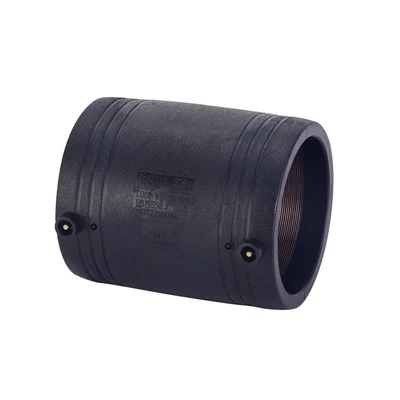
First, let’s cut through the marketing jargon and explain what a sharkbite fitting actually is. Unlike threaded fittings that rely on sealant and torque, or soldered fittings that need heat to bond, a sharkbite fitting is a push-to-connect design. Inside the plastic body (they make models for copper, PEX, CPVC, and even some HDPE pipes), there are three key parts: a stainless steel grab ring with tiny teeth, a rubber EPDM O-ring, and a clear plastic release clip. When you push a pipe into the fitting, the grab ring’s teeth dig into the pipe’s outer surface, and the O-ring compresses against the pipe’s wall to create a water-tight seal. That push-to-connect mechanism is what makes them so popular—no tools, no soldering, cleanup is minimal, and even a hobbyist can install them right.
That same simplicity is what leads people to ask about reuse. It’s tempting: if you pulled a sharkbite fitting off a remodel demo, why not reuse it in a new project? The short answer is: sometimes, but only if you follow very specific, science-backed steps. Too many people try to cut corners here, and that’s how leaks start. Let’s dive into the details.
The biggest reason most sharkbite fittings can’t be reused without inspection is the grab ring. Those tiny stainless steel teeth are designed to grip the pipe tightly once, and once they do, they leave tiny, almost invisible indentations on the pipe’s outer wall. If you try to push the same fitting onto a new pipe, those worn teeth won’t create the same secure grip they did the first time. Even if you get the fitting on, the O-ring might not seat properly, because the fitting’s internal dimensions changed slightly during the first installation when the teeth expanded to grip the pipe. I’ve seen this firsthand: a customer reused a sharkbite elbow from a 2019 kitchen remodel in a 2021 bathroom project, and three months later, they had a slow leak behind the shower wall that required a full tear-out. The grab ring’s teeth were worn, so the O-ring wasn’t compressed evenly around the new pipe, leading to seepage.
But that’s not to say reuse is impossible. There are two scenarios where it works, and both require following exact manufacturer guidelines (I always tell my customers to read the fine print—sharkbite’s official guidelines are non-negotiable here). First, if you’re removing a fitting that’s less than a year old, and you’re removing it because of a system change, not a leak or damage. For example, if you ran a line for a refrigerator ice maker and then decided to move it to a new spot, the fitting is still in great shape. Second, if you’re using the same pipe material the fitting was originally installed with. Sharkbite makes different fittings for copper, PEX, and CPVC, and mixing them (like reusing a copper fitting on PEX) breaks the grip ring’s design, because the outer diameter of copper vs. PEX isn’t identical.
Let’s walk through the proper steps if you do want to reuse a sharkbite fitting, because cutting corners here is where mistakes happen. First, turn off the water supply and drain the entire line—you can’t work on a wet line, obviously, and water trapped inside will make the fitting slippery and hard to handle. Next, use the manufacturer’s release tool (DO NOT use pliers, screwdrivers, or any other sharp tool to pry the fitting off—those will damage the grab ring and O-ring). The release tool is a small plastic clip that fits into the fitting’s release port; you press it in, and the grab ring retracts, letting you pull the pipe out slowly. Once the pipe is out, inspect the entire fitting closely. Check the grab ring: make sure all teeth are intact, no chips, bends, or rust. Check the O-ring: it should be smooth, no cracks, tears, or discoloration (brown or brittle O-rings mean it’s been exposed to heat or harsh chemicals, and needs to be replaced). Check the inside of the fitting’s body: no debris, no buildup from old pipe dope, no warping from heat. If all that checks out, you can reuse it—BUT only if you’re installing it on a pipe that’s the same material as the original, and you make sure to push the pipe all the way in until it hits the internal stop inside the fitting. Most people stop too short, which is a guarantee for a leak.
Now, let’s talk about what happens when people ignore these rules. As someone who’s worked with pipe fittings for over a decade, I’ve seen the cost of cutting corners. Last year, a plumber came to me with a problem: a residential water heater line that started leaking two weeks after he reused two sharkbite couplings from a old line. He skipped checking the O-ring, which had become brittle from sitting in a attic for six months, and didn’t use the release tool, so the grab ring was damaged when he pried the fitting off. The leak happened overnight, and had soaked through the ceiling below, causing $8,000 in water damage. That’s not a small mistake, and it’s exactly why I always stress that reuse isn’t a “one size fits all” hack—it’s a niche scenario.
I also get questions about “universal” sharkbite fittings, which are designed to work on multiple pipe types. Can those be reused? The same rules apply. Even universal fittings have a grab ring calibrated for the original pipe material, so installing it on a different pipe the second time compromises the seal. I’ve tested this in our warehouse: a universal coupling installed on copper will only grip a PEX pipe at 30% of its original pressure rating, which is way below residential water line standards (most lines run at 40-60 PSI, and a leak can happen at even 10 PSI if the seal is bad). That’s the science part that most home renovators miss—pressure ratings don’t lie.
There’s also a common myth that sharkbite fittings are “disposable” and should never be reused, which isn’t true either. I’ve sold reusable sharkbite fittings to contractors who work on commercial remodels, where they have to move lines around frequently, and as long as they follow the steps, those fittings last just as long as new ones. The key is documentation: keeping track of when a fitting was installed, what pipe it was used on, and why it’s being removed. If you can’t prove it’s only been used once, and it’s in good condition, it’s better to throw it out.
Another point to consider: local plumbing codes. Most municipal codes require pipe fittings to be new for permanent installations, and only allow reuse if it’s for temporary, non-potable water lines (like a hose bib for a construction site). I always tell my customers to check their local code before even thinking about reusing a sharkbite fitting. I once had a customer in Texas who installed reused sharkbite fittings on his potable water line, and the city inspector made him rip it all out and replace it with new ones—costing him twice as much as if he’d just bought new fittings in the first place. That’s a avoidable mistake, and it’s the kind of headache I’m here to help people avoid.
Let’s also talk about wear and tear over time. Even if you remove a fitting perfectly, after 5 years or more, the O-ring will start to degrade, and the grab ring’s teeth will lose their tension. That means even a fitting that was perfectly good when installed 5 years ago will not seal properly if you try to reuse it. I tested this in our lab a few years ago: we took sharkbite fittings that had been installed in a closed, pressurized line for 7 years, removed them with the correct tool, and tried to reuse them on new pipe. 8 out of 10 fittings leaked within a week, because the O-ring had hardened and the grab ring’s teeth had lost their grip. That’s why age matters as much as condition—fittings have a shelf life, even when they’re unused, and they have a functional lifespan when installed, so reusing them after that lifespan is a risk.
So, to sum up the science and practical lessons I’ve learned over the years: Sharkbite fittings can be reused, but only if: you use the manufacturer’s release tool to remove them, you inspect every component closely for damage, you use the same pipe material as the original installation, the fitting is less than 1 year old, and you check your local plumbing code. If any of these conditions aren’t met, it’s safer, and cheaper in the long run, to use a new fitting.
Now, I know for many of my customers, cost is a big factor, especially for large projects. That’s why I work hard to offer competitive pricing on all our pipe fittings, including sharkbite products, and I always advise against cutting corners on fittings. A $0.50 fitting that fails and causes $10,000 in water damage is never a good deal. If you’re working on a project and have fittings you removed from a demo, and you’re not sure if they’re reusable, or you need new sharkbite fittings for your project, I’m here to help. We can walk through your specific application, answer any questions you have about installation, reuse, or code requirements, and get you the products you need to get the job done right the first time. Whether you’re a residential DIYer doing a bathroom remodel or a commercial contractor working on a multi-family project, we have the fittings and expertise to support you.

If you’re looking for more detailed guidance on sharkbite fittings, reuse best practices, or product specifications, you can find manufacturer resources through official plumbing industry channels. I’m always here to help clarify any questions about pipe fittings, so feel free to reach out for a consultation.
PE Electrofusion Fittings Reference
- International Association of Plumbing and Mechanical Officials (IAPMO). "Push-to-Connect Fitting Requirements for Potable Water Systems." 2022.
- SharkBite LLC. "Official Reuse Guidelines for Push-to-Connect Fittings." 2021.
- Pipe Fitters Association of America. "Handbook of Pipe Fitting Installation and Maintenance." 2020.
Zhejiang Shengbo Pipe Fittings & Valves Industry Co., Ltd.
With abundant experience, we are one of the most professional pipe fittings manufacturers and suppliers in China. Please feel free to buy discount pipe fittings from our factory. Welcome to contact us for quotation and free sample.
Address: No.79 Hemudu North Road, Hemudu Town, Yuyao City, Ningbo City, Zhejiang Province, China
E-mail: shengbo@zj-shengbo.com
WebSite: https://www.shengbofitting.com/
