Hey there! I’m a supplier of finned tubes, and today I wanna chat about the limitations of these things. Finned tubes are super useful in a bunch of industries, like HVAC, power generation, and chemical processing. They’re great at boosting heat transfer, but they’re not without their drawbacks. Finned Tube
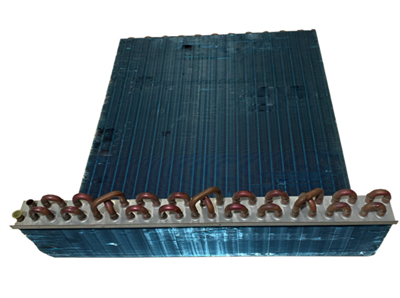
1. Manufacturing Complexity and Cost
First off, making finned tubes ain’t no walk in the park. The process is pretty complex, and it involves several steps. You’ve got to attach the fins to the base tube properly, and there are different methods to do that, like welding, mechanical bonding, or extrusion. Each method has its own pros and cons, but they all add to the manufacturing cost.
For example, welding fins to the tube can create a strong bond, but it requires skilled labor and specialized equipment. That means higher labor costs and more expensive machinery. Mechanical bonding is a bit cheaper, but the bond might not be as strong, which can lead to problems down the road. Extrusion is a good option for some applications, but it’s limited in terms of the types of fins and tubes it can be used with.
The complexity also means that the production time can be longer. If you’re in a hurry to get your hands on a batch of finned tubes, you might be out of luck. And let’s not forget about the quality control. With all these steps involved, there’s more room for errors, and you’ve got to make sure each tube meets the required standards. That adds even more time and cost to the whole process.
2. Fouling and Cleaning
Another big limitation of finned tubes is fouling. Fouling is when dirt, dust, scale, or other debris builds up on the surface of the fins. This can happen in a lot of different environments, especially in industrial settings where there’s a lot of particulate matter in the air or the fluid flowing through the tubes.
When fouling occurs, it can have a major impact on the performance of the finned tubes. The layer of dirt and debris acts as an insulator, reducing the heat transfer efficiency. This means that the tubes have to work harder to achieve the same level of heat transfer, which can lead to higher energy consumption and increased operating costs.
Cleaning fouled finned tubes can be a real pain. The fins are often closely spaced, which makes it difficult to reach all the nooks and crannies. You can use chemical cleaners, but they can be expensive and might not be suitable for all types of fouling. Mechanical cleaning methods, like brushing or high-pressure water jetting, can be effective, but they can also damage the fins if not done properly. And let’s not forget about the downtime. Cleaning the tubes takes time, and during that time, your equipment might not be able to operate at full capacity.
3. Limited Heat Transfer Enhancement
While finned tubes are designed to enhance heat transfer, there’s a limit to how much they can do. The heat transfer coefficient of a finned tube depends on a bunch of factors, like the type of fluid, the flow rate, the fin geometry, and the material properties.
In some cases, adding more fins might not necessarily lead to a proportional increase in heat transfer. There’s a point where the added fins start to create more resistance to the fluid flow, which can actually reduce the overall heat transfer efficiency. This is known as the "fin efficiency" limit.
Also, the performance of finned tubes can degrade over time. As the fins get damaged or fouled, their ability to transfer heat decreases. This means that you might need to replace the tubes more often than you’d like, which can add to the long-term cost.
4. Compatibility Issues
Finned tubes are made from different materials, like copper, aluminum, and stainless steel. Choosing the right material is crucial, but it can also be a challenge. The material has to be compatible with the fluid or gas that’s flowing through the tubes, as well as the environment in which the tubes will be operating.
For example, if you’re using a finned tube in a corrosive environment, you need to make sure the material can withstand the corrosion. Aluminum is a popular choice for its light weight and good heat transfer properties, but it’s not very resistant to corrosion. Stainless steel, on the other hand, is more corrosion-resistant, but it’s heavier and more expensive.
There can also be compatibility issues between the fins and the base tube. If the materials have different thermal expansion coefficients, it can cause stress and cracking over time. This can lead to leaks and reduced performance.
5. Space and Weight Constraints
Finned tubes take up more space than regular tubes. The fins add extra width and height to the tube, which can be a problem in applications where space is limited. For example, in a compact HVAC unit, you might not have enough room to install large finned tubes.
They’re also heavier than regular tubes. The additional weight of the fins can be a concern, especially in applications where weight is a critical factor, like in aircraft or space vehicles. Carrying around the extra weight can increase the energy consumption and reduce the overall efficiency of the system.
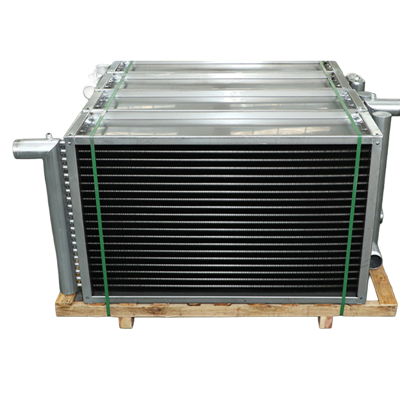
Despite these limitations, finned tubes are still an important component in many industries. They offer a lot of benefits, like improved heat transfer and energy efficiency. And as a supplier, I’m constantly working on finding ways to overcome these limitations and provide better products to my customers.
Finned Tube If you’re in the market for finned tubes and want to learn more about how we can work together to address your specific needs, don’t hesitate to reach out to me for a chat. We can discuss your requirements in detail and see if our finned tubes are the right fit for your application.
References
- Incropera, F. P., & DeWitt, D. P. (2002). Fundamentals of Heat and Mass Transfer. John Wiley & Sons.
- Kreith, F., & Bohn, M. S. (2001). Principles of Heat Transfer. Cengage Learning.
- Shah, R. K., & Sekulic, D. P. (2003). Fundamentals of Heat Exchanger Design. John Wiley & Sons.
Xiangshui Derkang Refrigeration Equipment Co., Ltd.
As one of the most professional finned tube manufacturers in China, we’re featured by quality products and low price. If you’re going to buy discount finned tube, welcome to get quotation from our factory. We also accept customized orders.
Address: No. 2, Xiaojian Town Entrepreneurship Park, Xiangshui County
E-mail: 505745223@qq.com
WebSite: https://www.xsderk.com/
