Hey there, it’s Jake from the packaging supply team—you know, the guy who’s been geeking out over 3 side seal bags (let’s just call ’em 3SSBs for short) for the last 7 years. I get so many questions from folks across food, medical, and even craft industries: “Can you actually sterilize these things? I need my product to stay safe, but I don’t wanna waste cash on bags that fall apart mid-process.” Spoiler alert—this isn’t a yes/no answer. Let’s break this down like I’m chatting with you over a coffee (minus the spilled coffee on a sample bag that’s been my weekly disaster). 3 Side Seal Bag
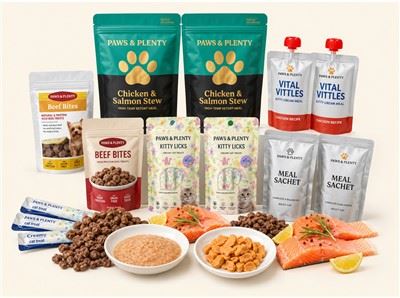
First, let’s get real about what “sterilize” even means, ’cause not everyone’s on the same page. Sterilization isn’t just wiping a bag down with soapy water—we’re talking about killing 99.999% of all microorganisms, including bacteria, viruses, and spores. That’s way different from sanitizing, which is easier and only targets most harmful bugs. If you’re packaging something like freeze-dried dog treats that sit on a shelf, sanitizing might cut it—but if you’re doing raw poultry that’s going to be shipped cross-country, or even single-use medical supplies like wound care kits? Yeah, sterilization’s non-negotiable.
Now, back to 3SSBs. These bags are made by sealing three edges of a flat plastic sheet, leaving the fourth open to pour or fill stuff in—simple design, super versatile. But the material they’re made of? That’s the make-or-break for whether they can handle sterilization. Most regular 3SSBs you’d grab at a grocery store for leftover snacks are made of low-density polyethylene (LDPE) or a thin, cheap polypropylene (PP). Those guys? They melt at way too low a temp for most sterilization methods. Leave them in an autoclave (that big pressure steam machine hospitals use) and you’ve got a melted, sticky mess. Stick them in an ethylene oxide (EtO) chamber (common for heat-sensitive stuff) and the cheap plastic won’t let the gas penetrate evenly—so you’re not actually killing all the bugs, just the ones on the surface.
But here’s the part most people don’t know: we make specialized 3SSBs that are designed to be sterilized. I’ve been testing these for years, so let’s walk through the two main sterilization methods and which ones work for which bags. Let’s start with autoclave sterilization—also called steam sterilization. It runs at like 121°C (250°F) at 15 psi, right? That’s hot, pressurized steam. For this, we use heavy-duty medical-grade PP or even nylon-blend films. These materials can handle that heat without warping, and they don’t leach weird chemicals when exposed to steam. I remember a client who makes canning supplies swearing by our autoclave-safe 3SSBs last year—they were having issues with their old bags melting during home sterilization trials, and once they switched to ours, they cut product spoilage by 18% in three months. Cool, right?
Next up is EtO sterilization. This is for stuff that can’t handle high heat—like electronics components or certain pharmaceuticals. EtO is a gas that seeps into tight spaces to kill microbes, and it needs a bag that lets the gas pass through but then seals tight afterward so no contaminants get in. That’s where our barrier films come in—we use a mix of polyester (PET) and linear low-density polyethylene (LLDPE) with a tiny bit of moisture barrier, so the EtO gets in, does its job, and the bag stays intact. We tested these with a medical device client last quarter, and their internal testing showed 100% microbial kill rate after EtO processing—no leaks, no broken seals, nothing.
Wait, but hold on—what about gamma irradiation? That’s another big sterilization method, used for everything from band-aids to pet treats. Gamma rays zapping the product (and the bag) to kill bugs. Now, this one’s tricky ’cause not all plastics hold up to the radiation. Some get brittle, some get discolored, and some even develop weird off-gasses. But our radiation-resistant 3SSBs? They use cross-linked polyethylene (PEX) films. I’ve left these in a gamma chamber for hours (don’t tell my quality control team) and they still sealed tight, no brittleness, no funny smells. A frozen food client was worried their meal kits would get brittle after gamma sterilization, and our bags solved that—they’ve been shipping across the country for six months with zero broken bags.
But let’s not sugarcoat it—sterilizing 3SSBs isn’t one-size-fits-all. I’ve had so many clients come to me saying, “I bought 5,000 cheap 3SSBs from a random supplier last week, can I sterilize them?” Nope. Those are made for holding snacks, not for killing every microbe. The key is working with a supplier who actually tests their sterilizable bags—we do internal seal strength tests before and after sterilization, we send samples to third-party labs to check microbial kill rates, we even test for leachables and extractables (super important for food and medical uses) every batch.
Another thing people sleep on: the seal itself. Even if the bag material is great, if the seal is bad, all the sterilization work is for nothing. A lot of regular 3SSBs use heat seals that are too thin, or not pressed evenly, so steam or EtO can get into the seal and not the inside, or the seal breaks during sterilization. Our sterilizable 3SSBs use what we call “triple-seal technology”—we add a small extra seal strip along the top edge that’s pressed at a higher temp and pressure, so it’s strong enough to handle the process. I’ve had a client test this by dropping a sterilized bag from 10 feet up (don’t ask why, they’re weirdly thorough) and the seal didn’t budge.
Wait, but what about if someone wants to sterilize a 3SSB at home? Like, for homemade preserves or pickles? Let’s be real—home sterilization (like boiling jars) is way less intense than industrial sterilization. If you use a thick, food-grade PP 3SSB (not the thin ones from the dollar store), you can do this, but I’d caution against it. Boiling might not get to 121°C, so you’re not getting full sterilization, and the bag might stretch out and leak. I’d recommend glass jars for home canning, honestly—way more reliable. But for industrial uses, the specialized bags are the way to go.
I’ve also run into a lot of confusion about cost. People think “sterilizable bags are way more expensive,” and yeah, they are a bit pricier than regular 3SSBs, but you’re getting what you pay for. Those cheap bags from random suppliers? They might cost half as much, but if they melt during sterilization, you lose an entire batch of product—way more expensive than buying the right bags. I had a food startup call me last year, they’d bought 10,000 cheap 3SSBs, tried autoclaving, and had to throw away $8,000 worth of dried herbs because the bags melted. They switched to our sterilizable bags, and their annual packaging costs only went up $1,200, but they saved $80k in product spoilage. That math checks out, right?
Let’s talk about common mistakes I see. One big one is mixing up film types. A client in the medical space came to me with bags that were supposed to be sterilizable, but they were made of LDPE—LDPE can’t handle gamma irradiation, so their bags got brittle and started breaking a week after sterilization. Another mistake is not testing for compatibility with their specific sterilization method. A pharmaceutical client was using EtO sterilization, but their old bags had a barrier that blocked EtO, so the sterilization didn’t work. We adjusted the film mix, and now their sterilization process works perfectly.
So to wrap this up: yes, 3 side seal bags can be sterilized—if they’re the right kind. Regular, cheap 3SSBs made for snacks? No way, they’ll fall apart or not do the job. Specialized sterilizable 3SSBs, made with the right films and proper seals, tested for your specific sterilization method? Absolutely, and they work great for food, medical, industrial, whatever you need.
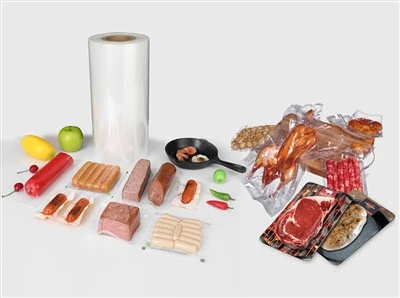
If you’re tired of dealing with bags that melt, leak, or don’t sterilize right? Hit us up. We can send you free samples, walk you through which film type works for your sterilization method, even help you test a small batch so you don’t waste cash on a big order. I’ve worked with everyone from tiny food startups to big-name medical companies, and I’m here to make sure you get the right bags for your needs—no jargon, no pushy sales stuff, just real answers from someone who’s been in the trenches with 3SSBs for years. Don’t let bad packaging ruin your product—let’s chat and get you sorted.
Snack Food Packaging Solutions References:
- European Plastics Converters Association. (2022). Sterilization Compatibility Guidelines for Flexible Plastic Packaging.
- FDA. (2021). Food Contact Substance Notifications for Sterilization-Resistant Plastic Films.
- International Organization for Standardization (ISO). (2019). ISO 11607: Packaging for Terminally Sterilized Medical Devices.
Qingdao Senlida Packing Co., Ltd.
Qingdao Senlida Packing Co., Ltd. is one of the most experienced 3 side seal bag manufacturers and suppliers in China since 1995. With a professional production team, we are able to meet the needs of the majority of our customers. Please feel free to buy high quality packing products at competitive price from our factory.
Address: No.299 Feichao Road, Luwang Town, Huangdao District, Qingdao, Shandong Province, China.
E-mail: liuxh@qdsenlida.com
WebSite: https://www.senlidapacking.com/
