Hey everyone, thanks for stopping by. I’m Jake, part of the team here that ships trailer parts out to folks like you every day, and one question I get all the time is: do trailer parts need special tools to install? Let’s cut through the confusion here—this isn’t a yes or no answer, it’s way more nuanced than that, and it actually depends on a few things like what part you’re working on, your basic tool kit, and how comfy you are with getting your hands dirty. Most folks I chat with don’t want to run out and buy a whole new tool set for one job, right? I get it—tools add up fast, and unless you’re fixing trailers every weekend, dropping cash on specialty stuff doesn’t make sense. Let’s break this down like we’re shooting the breeze over a cold soda, no fancy industry jargon required. Trailer Parts

First, let’s start with the easy stuff that almost anyone can handle with what’s already in their garage. If you’re swapping out a trailer light, for example—most of the time, that’s just a couple of Phillips head screws or a nut and bolt. You probably have a Phillips screwdriver and a standard or adjustable wrench lying around. The worst case is you might need a little wire stripper to connect the new pigtail, and if you don’t have one, a pair of scissors or a knife works in a pinch (just be careful, don’t nick the copper wire). I’ve had customers tell me they did a whole light swap with just a socket set and pliers, no fancy tools needed. Even replacing a trailer’s leaf spring hanger bushings? A lot of the basic ones slide out with a little elbow grease and a hammer, no press required. I’ve installed a few on my own old utility trailer that way, and it worked fine for years.
Now, the stuff that might make you go, “Wait, do I need something more specific?” Let’s talk about the parts that are a little heavier duty. Take trailer brakes, for example—whether they’re electric, surge, or hydraulic. If you’re replacing the brake shoes or the calipers, most of the time you still stick with standard wrenches and a screwdriver, but there’s a catch. The adjusters on the brake assemblies sometimes need a brake adjusting tool that’s curved to fit between the shoes, and if you don’t have one, you might fumble around with a small flathead screwdriver and mess up the new brake lining. Another one: replacing a trailer axle’s wheel bearings. You can technically use a punch and a hammer to drive the old bearings out, but a bearing race driver is way better—it prevents you from damaging the hub or the new bearing. I’ve seen guys ruin a $50 hub because they tried to pound the old bearing out with a regular steel pipe instead of a proper driver. That’s the kind of mistake that makes you wish you’d just grabbed the right tool first, not wasted time and money on a part that’s now broken.
Wait, let’s not forget about the big stuff—like if you’re doing a full trailer rebuild or installing a whole new axle. That’s where specialty tools start making a real difference. A portable press for pressing bearings and bushings is almost a must here, because if you try to force a bearing on with a hammer, you’ll dent the race and it’ll fail way faster than it should. And if you’re working on larger trailers, like those big enclosed ones or gooseneck trailers, the bolts are often heavier grade and use metric sockets that are deeper than standard ones. I’ve had a customer show up once with a regular shallow socket trying to tighten a gooseneck coupler bolt, and the socket split right in half. That’s not just annoying—it’s dangerous. The coupler holds your trailer to the tow vehicle, so if the bolt isn’t tight right, you could lose the trailer on the highway. Yikes.
Let’s also talk about the exceptions that surprise people. A lot of the newer trailers have lock nuts with nylon inserts, right? Those might feel like they just need a wrench, but if you try to reuse them, they can strip super easy. Some folks have told me they use a pair of pliers to twist the nylon part, but honestly, it’s way better to have a new lock nut on hand, which is just a small extra part you can pick up for a couple bucks. And what about trailer jacks? If you’re replacing the screw on a swivel jack, you might need a socket that fits the jack’s bolt, but again, that’s probably in your basic set. The only time I’ve seen someone stuck there is if the jack is a specialty high-lift one for heavy equipment trailers—then maybe a longer breaker bar would help, but again, most people have one of those lying around.
Here’s the thing I always tell new customers: don’t run out and buy a $200 specialty tool set unless you’re going to be working on trailers on a regular basis. Start with your existing tools, check the part’s installation instructions (we include a simple one with every part we ship, by the way), and if you hit a snag, ask me. I’ve worked with hundreds of people on installs, and I can tell you when you can improvise and when grabbing a cheap specialty tool is worth it—like a $15 brake adjuster or a $20 bearing driver. Those things pay for themselves in not ruining parts or hurting yourself. I’ve seen guys throw out a whole new brake assembly because they didn’t use an adjuster and the shoes were misaligned, which ended up costing way more than the $10 tool would have.
Also, let’s address the myth that you need a whole shop full of tools for every trailer part. I get messages all the time from folks who say “I don’t have a press, can I still replace my axle?” And yeah—if it’s a smaller utility trailer, you can take the hub off and take it to a local mechanic who has a press, or even borrow one from a friend who works on cars. Most of the time, they’ll let you use it for free or a six pack, no big deal. You don’t have to own every tool on the planet to get the job done safely, it’s just about knowing when to ask for help or improvise.
Let’s wrap this up with a quick takeaway, because I know you’re busy. For 80% of the trailer parts you’ll replace—lights, jacks, couplers, leaf springs, even basic brakes—you only need standard tools you already own. The other 20%? The heavy-duty stuff like axle bearings, full brake overhauls, or big rebuilds? A few cheap specialty tools make the job way easier and keep you from messing up. And if you’re ever not sure, just shoot me a message or give us a holler—we’re not here to upsell you on tools you don’t need, we’re here to help you get the job done right without wasting money.
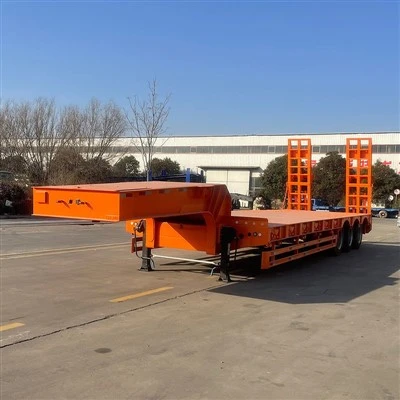
If you’re gearing up for a trailer project, we’ve got all the parts you need—from small light bulbs to full brake assemblies—so hit us up when you’re ready to get rolling. Whether you’re a weekend warrior fixing up your old work trailer or a first-time trailer owner, we’ve got your back, and we’ll help you figure out exactly what tools you need (or don’t need) for your install. No pressure, just honest answers.
Tractor Truck References:
- Trailer Safety Association. (2022). Common Trailer Part Installation Best Practices.
- Automotive Service Excellence. (2021). Specialty Tool Guidelines for Light Trailer Repairs.
- National Trailer Dealers Association. (2023). DIY Trailer Maintenance: Tool and Part Compatibility Guide.
Jining Dafu Machinery Sales Co., Ltd.
As one of the most professional trailer parts suppliers in China, we’re featured by quality products and low price. Please rest assured to wholesale bulk cheap trailer parts from our factory. We also accept customized orders.
Address: Room 1-115, Building 7, Luxinan Auto Parts City, Qiantongdian Village, Quanpu Town, Liangshan County, Jining City, Shandong Province
E-mail: jiningdafu@163.com
WebSite: https://www.dafumachinery.com/
