Hey there, fellow bar stool owners and new restaurant owners! Let’s be real—nothing kills a good hangout faster than wobbly, rock-hard bar stools. I’ve been in the bar stool game for over a decade now, and trust me, I’ve seen it all: customers shifting every two minutes because their back hurts, regulars skipping the bar stools entirely to stand, even a few “accidental” spills from people slumping too far because their seat doesn’t give. If you’re here asking, “How do I make my bar stools more comfortable?” you’re not just chasing a nicer seat—you’re chasing more repeat visits, longer stays, and way fewer frustrated guests. Let’s break this down, no fancy jargon, just real stuff I’ve tested (and watched work) with my own stools. Bar Stools
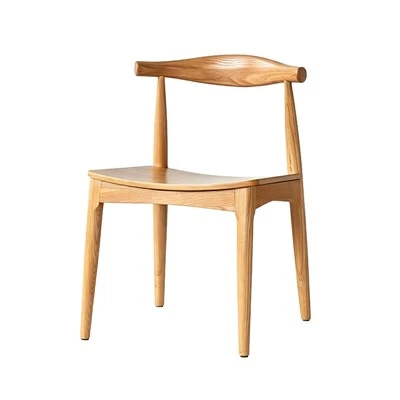
First, let’s start with the basics: the seat itself. Most cheap bar stools come with those thin, hard vinyl or wood seats that feel like sitting on a cinder block after 20 minutes. The fix here? Padding, but not just any padding. I used to recommend just slapping a foam cushion on top, but here’s the thing—thickness matters, but so does density. If you get a 2-inch thick low-density foam cushion, it’ll flatten out in a week or two. For residential use, I swear by 2 to 3-inch high-density polyurethane foam (look for a 30+ ILD rating—ILD is just the firmness test number, no need to overthink it). For commercial use, like a café or bar, go 3 inches minimum, 35+ ILD. It’s a tiny extra cost, but those cushions will last for years, not months.
Wait, but don’t stop at foam. The cover matters too. If you go for a vinyl cover, pick one with a little texture—not smooth, slippery vinyl. Smooth vinyl makes you slide around, especially when you’re leaning forward to talk. My go-to picks are faux leather (it’s durable, easy to wipe spills off) or outdoor-grade fabric if you’re using stools in a patio bar. Avoid cotton if you’re in a humid spot—it gets sticky and molds easily. Pro tip: For residential, if you hate the look of a bulky cushion, add a non-slip grip pad between the stool seat and cushion. That keeps it from sliding around when you stand up. I learned that the hard way—had a customer slip off a stool because the cushion moved, and now I always suggest that little trick.
Next up, back support. Most basic bar stools don’t have backs, or if they do, they’re flat plywood slabs that do nothing for your lower back. Let’s fix that. If your stools don’t have backs, add a removable backrest—there are tons of adjustable ones made specifically for bar stools, no drilling required (win, win). Look for ones that curve slightly, not totally flat—your lower back has a natural curve, right? A flat back will just push against that curve and make your back ache after a while.
If your stools already have backs, upgrade the padding on them too. Same rule as the seat: high-density foam, a cover that’s not slippery. Also, check the height of the back. A good backrest should hit right around the middle of your shoulder blades, not the bottom of your neck (too high, it’s annoying) or your lower back (too low, useless). For commercial spaces, I’ve even had success adding lumbar rolls—small, firm foam rolls that you can tuck between the backrest and your lower back. It’s a cheap add-on, and guests notice how much better their posture feels after an hour at the bar.
Now, let’s talk about height and footrests. This is the biggest mistake I see—stools that are too tall or too short for the bar. If your stool is too high, your feet are dangling, and after 15 minutes, your legs fall asleep. If it’s too low, your knees are crammed up against the bar, and you feel all squeezed in. The rule of thumb is: when you sit on the stool, your feet should touch the floor (or a footrest) with a slight bend in your knees—no more than 90 degrees, no less.
If your stools are fixed height, not adjustable, you can add footrests if they don’t have them already. A lot of basic stools skip footrests, which is a major comfort killer. You can buy clamp-on footrests that fit right onto the legs of your stool—no tools, just twist and tighten. Or, if you’re handy, add a extra rung to the stool legs. For adjustable stools, make sure you’re setting the height right. I tell my commercial clients to measure their bar counter first: standard bar height is 40 to 42 inches, so stools should be 28 to 30 inches high. If it’s a counter-height bar (36 inches), stools should be 24 to 26 inches. Mess that number up, and even the comfiest seat will feel off.
Wobble is another huge one. A wobbly stool doesn’t just feel unsteady—it makes you tense up the second you sit down, which is not comfortable at all. If your stools are wobbly, first check the legs—are they loose? Tighten the bolts at the base. If the wood is cracked, you can use wood glue and clamps to fix small cracks. For metal legs, a little spray lubricant on the joints where they attach to the seat might help. If the wobble is from uneven floors, add small rubber furniture pads under the legs. They’re cheap, easy to install, and they stop the stool from rocking back and forth. I once had a customer who thought their stools were “inherently wobbly” until they added the pads—turns out their bar was on a old wooden floor with one uneven spot. Saved them from buying a whole new set.
Wait, what about the shape of the seat? A lot of bar stools have square or round seats, but round seats can make you slide, and square ones can dig into your thighs after a while. If you’re using cushions, go for a contoured seat cushion—they have a little dip in the front, which reduces pressure on your thighs. That’s a game-changer for anyone sitting for more than 30 minutes. I even noticed my own customers who stay late at the bar tend to pick the stools with the contoured cushions over the square ones. It’s a tiny detail, but it adds up.
Now, let’s talk about commercial-specific stuff, since a lot of my readers are bar or restaurant owners. Comfort directly ties to your profits. If your stools are uncomfortable, guests won’t stay as long—longer stays mean more drinks, more food, more tips for your staff. I’ve had clients tell me that after they upgraded their stools with better padding and back support, their average spend per guest went up by 15%. That’s not nothing.
But don’t break the bank. You don’t need to buy a whole new set of custom stools to make them comfortable. I’ve seen owners turn $20 basic stools into $80 lookalikes by adding cushions, footrests, and back supports. For residential folks, same thing—if you love your existing stools, just tweak them instead of buying new ones. It’s way more cost-effective.
Wait, a common mistake I see: people use regular chair cushions for bar stools. Regular chair cushions are usually thicker, but they’re not the right size—they slip right off the narrow bar stool seats. Make sure you get cushions that are sized for bar stools, usually 12 to 14 inches wide, not 18 inches like dining chairs. Also, if you have stools with round seats, get a round cushion, not a square one. It fits way better.
Another tip: for people who like to lean back or prop their feet up, add a footrest bar between the legs of the stool if it doesn’t have one. I’ve had guests tell me that the footrest is the most important part of the stool—way more than the back. It gives you a place to rest your legs, so they don’t feel tired after a while. I once tested a stool without a footrest and a stool with one, and I could tell the difference in 5 minutes. No wonder.
What about if your stools are outdoor? Patio bar stools have extra challenges—sun, rain, humidity. The padding needs to be water-resistant, not just regular. Look for marine-grade foam cushions, or cushions made with Sunbrella fabric. They resist mold, mildew, and UV damage, so they won’t get stinky or fade after a summer. I’ve had patio stool customers tell me that regular foam cushions got moldy in a month, but the marine-grade ones have lasted two seasons with no issues. That’s a difference worth paying for.
Let’s also address the “I don’t have tools” crowd. A lot of people are scared to modify their stools, but you don’t need a drill or a screwdriver for most of these fixes. Clamp-on footrests, non-slip cushion pads, and adjustable backrests all install in 5 minutes or less, no tools needed. I send those tips to every new customer, and they love that they don’t have to mess with their existing setup.
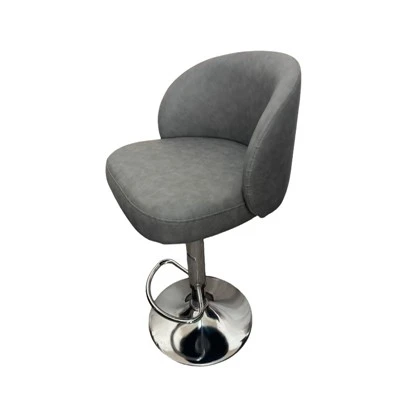
Wait, what about height adjustment for gas lift stools? A lot of bar stools use gas lifts, which let you adjust the height easily. But if you have those, make sure the height lock is working properly. If the stool shifts height when someone sits down, that’s super uncomfortable. You can tighten the gas lift mechanism by turning the base of the stool clockwise—no tools, just turn it by hand. I’ve fixed so many wobbly gas lift stools just by tightening that base.
And don’t forget about regular maintenance. Even the comfiest stools will get uncomfortable over time if you don’t take care of them. Wipe down the cushions regularly to get rid of spills and crumbs. Check the bolts on the legs every few months to make sure they’re tight. Replace foam cushions every 3 to 5 years, depending on use—high-density foam breaks down over time, even if it looks fine. Commercial stools should be checked every year, residential every 2 or 3. I send a quick maintenance checklist to all my repeat customers, and it’s saved them from a lot of discomfort issues.
Now, let’s tie this back to what matters: your guests (or your own comfort, if you’re using them at home). I once had a regular at a small bar I supply tell me, “I stay here twice as long now because my back doesn’t hurt anymore.” That’s the goal. Comfort isn’t a luxury—it’s a big part of what makes a place feel welcoming. Whether you’re a homeowner looking to upgrade your kitchen bar stools or a bar owner wanting to keep guests coming back, these tweaks work.
If you’re looking to take things a step further, or if you need help picking the right cushions, backrests, or stools for your space, hit me up. I’ve been in this business long enough to know what works for different spaces—small residential bars, busy downtown restaurants, outdoor patios. I can help you find the right fix without wasting money on stuff that doesn’t work. Just reach out to chat about your needs, and we can work something out that fits your budget and your comfort goals.
Chairs References
- Ergonomics Guidelines for Bar and Counter Stools, National Restaurant Association, 2022
- Polyurethane Foam Density and Comfort: A Consumer’s Guide, Furniture Industry Research Association, 2021
- Outdoor Seating Durability Standards, American Society for Testing and Materials, 2020
- Customer Comfort and Venue Retention, Hospitality Research Journal, 2023
Bazhou Ransheng Furniture Co., Ltd.
We’re well-known as one of the most experienced bar stools manufacturers and suppliers in China. With a professional production team, we offer a wide range of chairs with superior quality. Welcome to wholesale bulk high-end bar stools in stock here and get quotation from our factory. Customized orders are welcome.
Address: Shengfang Town, Bazhou City, Langfang City, Hebei Province
E-mail: m13513011855@163.com
WebSite: https://www.ranshengfurni.com/
