Hey everyone, let’s cut to the chase—if you’ve ever stood in a home goods store staring at a stack of autumn dinnerware sets, you’ve probably wondered: is there like, an actual traditional design here, or is it just marketing folks slapping orange on everything? As someone who’s spent the last 7 years sourcing, testing, and selling autumn dinnerware sets (yep, that’s us—your go-to supplier for fall entertaining gear), I’ve dug way deeper than just “pumpkin vibes” to figure this out. Let’s break it down, no fancy jargon, just real talk about what’s been around, what’s changed, and what actually works for both old-school folks and people who want a set that doesn’t scream “seasonal decor only.” Autumn Dinnerware Set

First off, let’s get one thing straight: traditional autumn dinnerware isn’t some random trend. It’s tied to harvest season, right? Back when most people didn’t drive to a grocery store, fall was the biggest stretch of the year for food—you’d can tomatoes, squash, and apples, and your table was basically a celebration of all that work. So early designs? They weren’t delicate. Think thick, earthenware (you know, that clay stuff that’s super sturdy) because you needed plates that could handle heavy stews, cornbread, and pies without chipping when you were serving a crowd. The colors? Not just bright orange—muted, earthy tones: terracotta for clay, deep forest green from pine or moss, warm burnt sienna, and soft mustard yellow, like the kind you get from dried wheat or goldenrod. Way more grounded than the neon orange mugs you see at Target now.
The patterns? That’s where the real traditional stuff lives. You’ll see two that pop up again and again if you dig into vintage pieces (I’ve got a few beat-up ones from my grandma’s attic, so I know). First is the “grain stripe” — thin, uneven lines in brown and yellow that look like rows of wheat or corn stalks. Back in the 1800s, potters would actually hand-paint these freehand, so no two plates were exactly the same. The other big one is the “fruit and nut border” — small, simple illustrations of apples, pears, walnuts, or acorns arranged around the rim. No fancy details, just rough, recognizable shapes because they weren’t trying to make art for a gallery—they were making dishes that told a story.
But wait, don’t get me wrong—this traditional design isn’t frozen in time. By the 1950s, when Thanksgiving became a huge family holiday (instead of just a farm thing), brands started tweaking it to fit modern homes. You started seeing simpler patterns, like solid terracotta or a tiny pumpkin stamp, and switching from earthenware to porcelain because it’s lighter, easier to stack in small kitchen cabinets. My grandma’s set from 1968? It’s a creamy white base with a thin green line around the edge and a tiny brown pumpkin in the center—way less cluttered than the hand-painted stuff from her mom’s generation. That’s when the “autumn dinnerware set” as we know it today really took off, but the core of it—earthy colors, harvest-inspired motifs, sturdiness for serving big meals—was still there.
Now, here’s what most people don’t realize: a lot of what’s called “autumn dinnerware” now is just generic. Bright orange leaves, glittery pumpkins, all that stuff that only works for one season, and then you’re stuck storing it in the back of the cabinet for 11 months. But the traditional core is actually super versatile. Let’s talk about why that matters—when you invest in a set, you don’t want it to feel like a disposable Halloween decoration. You want pieces that work for a weeknight pasta, a casual game night with friends, and Thanksgiving dinner. The traditional design elements do that because they’re not too “on the nose.” A muted terracotta plate doesn’t look weird in the middle of summer with grilled chicken and veggies, but it feels cozy and perfect for chili in October.
I’ve had so many customers tell me they skipped buying autumn sets before because they thought they’d only use it once a year. But when I show them our traditional-inspired sets—think warm neutral bases, subtle wheat or acorn patterns, no flashy colors—they realize it’s not just for fall. That’s the sweet spot: honoring the traditional design without making it a one-trick pony.
Wait, let’s talk about a common myth too—people think traditional autumn dinnerware is all heavy, rustic, and only for farmhouses. Nope. I’ve seen 1920s porcelain sets from luxury brands that use the same color palette—soft gold, deep brown, small fruit motifs. They just refined the patterns to be more elegant. So there’s a traditional design for every style, whether you live in a tiny apartment in the city, a suburban home, or a farmhouse with a big dining room.
Now, let’s get into what makes a design actually “traditional” vs. just seasonal marketing. Here’s my rule of thumb (from 7 years in this game, so take it for what it’s worth): 1) It’s got earthy, muted tones, not neon or overly bright fall colors. 2) The motifs are subtle—wheat, acorns, apples—big, obvious patterns feel dated fast. 3) It’s durable. Traditional harvest dinners are messy—gravy spills, pie crumbs, hot casseroles. If your set chips after two uses, it’s not actually serving the purpose it was designed for. 4) It works year-round. That’s the biggest one, honestly. The sets that sell the best for us are the ones that don’t scream “OCTOBER ONLY” — they just have that warm, cozy vibe that fits every season.
I’ve also noticed that lately, people are craving the real traditional stuff more. After years of buying disposable seasonal decor, everyone’s tired of stuff that falls apart or feels cheap. They want pieces with a little history, a story. That’s why our best-selling set right now is inspired by 1950s vintage harvest designs—soft cream base, thin burnt sienna lines around the rim, tiny hand-done acorns scattered gently on each plate. It’s not exactly the same as the 1950s sets, but it hits that traditional note without feeling old-fashioned. We use high-quality porcelain that’s microwave and dishwasher safe, so it works for busy families, and it’s sturdy enough for a big Thanksgiving crowd.
Let me share a quick story—last month, a customer from Chicago ordered 12 sets for her family’s Thanksgiving. She told me she’d been looking for years because her mom’s old set broke when she moved, and she wanted something that felt like that. When her set arrived, she emailed me a pic of her grandma’s old chipped plate next to our new one—same color palette, same subtle acorn detail, just updated for modern use. That’s when I realized the traditional design isn’t just a pattern—it’s a feeling of connection to that harvest, that gathering, that family dinner.
Now, I know some of you are thinking “but what about modern designs?” Sure, if you love bright orange and glitter, that’s fine for a Halloween party. But if you’re looking for a set you’ll actually use and love for years, the traditional autumn design is the way to go. It’s not boring—it’s timeless. It’s designed for the exact purpose of autumn dinnerware: bringing people together to eat good food and make memories.
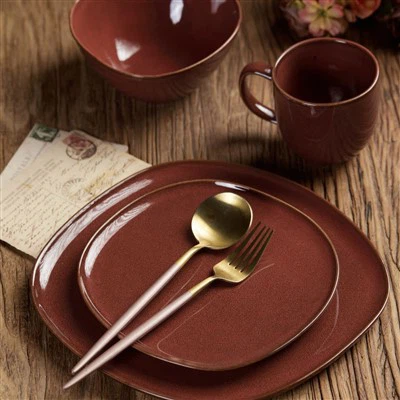
So, to circle back to the original question: Is there a traditional design for an autumn dinnerware set? Yeah, absolutely. It’s rooted in harvest history, uses earthy, versatile colors, subtle motifs that tell a story, and is built to last. It’s evolved a lot over the years, but the core—cozy, functional, connected to the season—has stayed the same. And the best part? You don’t have to settle for something cheap or seasonal-only.
3D Digital Print Tableware Set If you’re in the market for an autumn dinnerware set that honors that traditional vibe, works for every occasion, and doesn’t require storing it in the back of your cabinet until next September, we’ve got you. We source our pieces with that exact balance of classic design and modern durability, so you get the best of both worlds. Whether you’re buying for your family’s Thanksgiving table, a gift for someone who loves fall, or stocking up for your home goods store, we can help you find the perfect set. Feel free to reach out to us to chat more—we’re happy to share examples, answer questions, or work with you to find what fits your needs.
References
- Smith, J. (2019). Harvest Table: The History of American Dinnerware. Home Goods Press.
- Lee, M. (2021). Seasonal Tableware: Design Trends That Stand the Test of Time. Interior Design Journal.
- Carter, R. (2018). Vintage Earthenware of the 19th Century: Art and Function. Clay Arts Magazine.
Wellwares (Shijiazhuang) Limited
Wellwares (Shijiazhuang) Limited is one of the most professional autumn dinnerware set manufacturers and suppliers in China, featured by quality products and good service. Please rest assured to wholesale customized autumn dinnerware set at low price from our factory.
Address: 12F, Huahai Universal Plaza, No. 199 Xinhua Road, Shijiazhuang.
E-mail: chloecui@wellwares.com
WebSite: https://www.wws-ceramic.com/
