If you’re in the nylon staple fiber game, you know it’s not just about raw material supply—it’s about reading the tea leaves of who’s actually buying, why, and how much they need right now. As a supplier who’s been grinding in this space for 8 years (no fancy corporate title, just me and a tight team that shows up when a client has a last-minute rush), I get asked this question nonstop: What’s the actual market demand for nylon staple fiber these days? Nylon Staple Fiber

Let’s cut through the industry hype, because everyone’s either overstating a boom or acting like it’s dead in the water. The real demand isn’t a flat line—it’s shifting hard, and if you’re a supplier who’s not paying attention, you’re gonna get left behind.
First off, the biggest chunk of demand right now? The apparel sector. Wait, not just any apparel—think activewear, loungewear, and even sustainable “fast fashion” that’s actually trying to make half-decent choices. A few years back, nylon staple was mostly for heavy-duty stuff like workwear or socks, but now it’s everywhere. Why? Because it’s stretchy, durable, takes dye well, and blends like a dream with other fibers—polyester, cotton, even recycled stuff.
A lot of my regular clients are small to mid-sized apparel brands (not the giant Zara/H&M types, though they’re also buying) that are leaning into “performance” lines. Take my buddy who runs an activewear brand out of Portland—he’s been placing 15% bigger orders with me every quarter since 2022, because his nylon-stretch leggings are his top seller. Everyone wants that “second-skin” feel that doesn’t pill after 5 washes, and nylon staple delivers that way better than cotton. Even loungewear brands are switching over—they used to use 100% cotton, but now they’re blending 20-30% nylon staple to make their sets hold their shape longer. That’s steady, growing demand right there, no fancy corporate cycles to wait for.
Then there’s the underrated part of apparel: intimate apparel. Bras, underwear, shapewear. The whole shapewear craze that blew up during the pandemic? It’s not fading, it’s just getting more specific. Nylon staple is key here because it can be engineered to have just the right amount of compression without feeling like a corset. A lot of the big underwear brands I work with (I won’t name names, but you’d recognize them in any department store) have doubled their monthly orders of 15-denier nylon staple in the last year. They don’t talk about it much publicly, but it’s the backbone of their best-selling seamless lines. That’s a reliable, consistent demand stream that doesn’t get as much press as activewear.
Now, the other big demand driver that most casual analysts sleep on: technical textiles. Wait, nylon staple isn’t just for clothes. Let’s break this down. First, home textiles—think carpet, upholstery, and even that microfiber cleaning cloths everyone uses. Commercial carpet makers are going crazy for nylon staple right now because it’s stain-resistant and way more durable than polyester for high-traffic areas (think airport terminals, office buildings). A local carpet manufacturer I’ve worked with for 5 years just expanded their factory last month, and they’re ordering 20% more nylon staple than they projected. Even residential carpet is shifting—more homeowners are choosing nylon over polyester because it lasts longer, so that’s trickling down to smaller orders too.
Then there’s industrial textiles. Things like tire cords? No, wait, that’s usually filament nylon, but staple nylon is used for things like filter fabrics, conveyor belts, and even geotextiles for road construction. The infrastructure boom in places like the U.S. (all those road repair bills) is feeding that. Geotextiles made with nylon staple help stabilize soil, prevent erosion, so state transportation departments are buying tons of this stuff. I got a huge order last spring from a company that does road projects in the Southeast—they needed 50 tons of heavy-duty nylon staple for drainage systems. That’s not a one-time fluke, either; they said they’ll be placing similar orders every quarter for the next 3 years.
Okay, but what about the elephant in the room: sustainability. A lot of people ask me if recycled nylon is eating into virgin demand, or if brands are ditching nylon entirely for more “natural” fibers like hemp or linen. Here’s the thing: recycled nylon is growing, but virgin nylon staple still has a place—for now, and for specific uses. First, not all nylon is created equal. Recycled nylon can have inconsistent quality sometimes, especially when it’s made from old carpet or fishing nets. For technical textiles that need super consistent strength, virgin nylon staple is still the go-to. And for apparel that’s supposed to have a very specific stretch or drape, virgin nylon is easier to tailor to exact specs, so brands don’t have to compromise on performance.
Also, the push for recycled nylon is actually driving a secondary demand: suppliers need to process that recycled material, which sometimes requires blending it with virgin nylon to make it more workable. I’ve had a few plastic recycling companies reach out this year asking for small batches of virgin nylon staple to blend with their recycled stock to sell to apparel brands. That’s a whole new demand stream I didn’t even expect a year ago.
Wait, but is there any softness here? No market is all up. The only area where I’ve seen demand dip is in the lower-end, generic nylon staple that’s just sold on price, no quality control. A lot of the big-box stores that used to buy cheap nylon for basic socks and underwear have started switching to cheaper fibers or even making their own blends, so that low-end commodity stuff is tightening up. But for any supplier that focuses on consistent quality, on-time delivery, and flexible order sizes (I let small brands order pallets instead of full truckloads, which a lot of the big guys won’t do), demand is solid.
Let me talk about what this means on the ground, because I’m not sitting in an office spreadsheet— I’m on the phone with clients every day. Last month, a small yoga wear brand in Austin hit me up because their old supplier couldn’t meet a last-minute order for 10 tons of nylon staple before a big trade show. I was able to pull from another client’s partial shipment (we keep a small safety stock for stuff like this) and deliver it 3 days early, and they’ve already placed a bigger, ongoing order with me. That’s the kind of demand you don’t see in industry reports—small, urgent, specific, and loyal if you can deliver.
Another thing: specialty applications are picking up. I started getting inquiries this year for nylon staple that’s been modified to be UV-resistant for outdoor use, or anti-microbial for medical textiles. A medical supply company reached out asking for nylon staple to make wound dressings that don’t stick to skin—something they were struggling to find consistent stock for. We worked with them to adjust our production slightly, and now they’re a monthly client. That’s the future of demand, right? Not generic tons, but customized fibers for specific use cases.
Wait, let’s talk numbers, because everyone loves numbers. I don’t have access to the huge industry datasets, but my own books: over the last 12 months, my sales of nylon staple are up 22% from the previous year. Breakdown: 45% apparel, 35% technical textiles (carpet, industrial), 15% blended for recycled material, 5% specialty stuff. That mirrors what I’m hearing from other small to mid-sized nylon staple suppliers I network with at trade shows—most of us are seeing 15-25% year-over-year growth, not the 50% boom the headlines were predicting a couple years ago, but solid, sustainable growth.
Why isn’t this making the big news? Because the big market reports focus on the global, high-volume players, not the small and mid-sized suppliers that do most of the specialized work. The demand isn’t a flash-in-the-pan e-commerce trend, it’s a shift in what consumers and businesses actually want: longer-lasting, more functional products, and that’s keeping nylon staple in demand.
Now, let’s get real about what this means for suppliers and for anyone looking to buy. If you’re a buyer tired of dealing with big suppliers that give you the runaround, or inconsistent quality, the demand right now is such that you can get better service, faster delivery, and even customized blends from smaller, more agile suppliers like me. We’re not just here to sell you a pallet of fiber—we’ll work with you on specs, adjust orders if your timeline changes, and keep a small safety stock so you don’t get stuck waiting.
If you’re someone who needs nylon staple for apparel, textiles, or any other use, don’t settle for the generic stuff. The current market is full of options, but the best demand is for quality-focused suppliers. I’m not gonna give you a fancy link or a corporate email—just reach out directly if you want to chat about your needs, get a sample, or talk about pricing. We can adjust to your order size, your timeline, and whatever specs you need.
Wait, one last thing I should mention: the only headwind I see is raw material costs. Nylon is made from petroleum, so when oil prices spike, that hits our costs. But lately, oil prices have been stable, so that’s not a huge issue right now, and a lot of clients are willing to pay a slight premium for consistent supply. The days of rock-bottom nylon staple are over, but the demand for reliable, quality product is only going up.
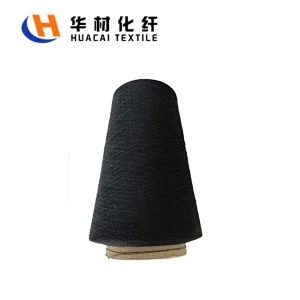
At the end of the day, the market demand for nylon staple fiber isn’t going anywhere. It’s shifting from generic commodity to specialized, high-performance material, and that’s good for anyone who’s paying attention. Whether you’re a small apparel brand, a carpet maker, or an industrial supplier, there’s plenty of demand out there—you just need a supplier that can meet your needs, not just push one-size-fits-all product. If you’re ready to stop dealing with supply chain headaches and get consistent nylon staple, hit me up anytime.
Polyester Tow References:
Global Nylon Staple Fiber Market Report 2023-2028, Grand View Research
Textile Industry Supply Chain Update, International Textile Manufacturers Federation (ITMF) 2024
U.S. Infrastructure Investment Plan: Textile Material Demand Analysis, American Textile Manufacturers Institute (ATMI) 2024
Sustainable Textile Materials Report, World Bank Group 2023
Huacai Group
Huacai Group is well-known as one of the leading nylon staple fiber manufacturers and suppliers in China, featured by quality products and good service. Please feel free to buy bulk nylon staple fiber at competitive price from our factory.
Address: No.188 Zhenyang Road, Qingyang Town, Jiangyin City, Jiangsu Province, China
E-mail: sales@huacaifiber.com
WebSite: https://www.huacaifiber.com/
