Hey everyone, thanks for stopping by. If you’ve ever shopped for granite for a home renovation, backyard patio, or a big commercial build, you’ve probably heard two terms thrown around: architectural granite and regular granite. At our Granite Architectural Stone shop, we get this question at least a dozen times a day, and it’s totally understandable—they look similar at first glance, right? But there’s way more to it than just color and pattern. Let’s break this down like we would with a customer picking out their slab, no confusing jargon, I promise. Granite Architectural Stone

First, let’s clear up what “regular granite” even means, because that term’s actually a bit loose. Most of the time, when people say “regular granite,” they’re talking about the stuff you see in big box store countertops, small patio tiles, or even cheap kitchen backsplashes. It’s mined in huge quantities from quarries that focus on volume, not specific traits. A lot of it’s imported—think the basic black, white, or speckled gray that’s everywhere. It’s solid stone, don’t get me wrong, but it’s cut and processed with a one-size-fits-all approach.
Architectural granite? That’s the specialty stuff. It’s not just granite that’s used for buildings (though it is, obviously). It’s mined, selected, and treated with an extra level of care because it’s made for projects that need to last 50, 100, even 200 years. We’re talking about things like commercial building facades, high-end residential staircases, monument bases, or custom fire pits that aren’t going to get replaced anytime soon. The key differences start way before it even gets to our shop.
Let’s talk about the selection process, because that’s where it all begins. For regular granite, quarry crews pull whatever block is easiest to blast out of the ground. If the color’s consistent, no big cracks, it’s good to go. For architectural granite? We (and other specialty suppliers) have geologists on site at the quarry who test every block. They check for porosity first—super important, because a block that’s too porous will stain, crack, or grow mold over time. They also look for veining: regular granite can have subtle cracks that hide under a polish, but architectural granite gets inspected for “inherent fissures” — those tiny, almost invisible lines that might not matter for a countertop but could split a facade panel in a harsh winter. We only pick blocks that pass a durability test, the kind where you drop a small weight on a sample and see if it shatters. Most of the time, regular granite passes that, but architectural granite has to pass with no damage at all.
Then there’s how it’s cut and sized. Regular granite is usually cut to standard sizes: 12×12 inch tiles, 3cm thick countertops, stuff that fits the inventory the big stores stock. Quarries process it with large, fast saws to crank out as much material as possible in a day. Architectural granite? We work with smaller quarries that use precision diamond wire saws. Those saws move slower, but they cut with way more accuracy. A standard countertop might have a 1/8 inch thickness tolerance, but architectural granite panels for a building need a 1/32 inch tolerance—so every piece lines up perfect when it’s installed, no gaps that let water in or ruin the look. We also cut it to custom sizes, not just the ones that sell best in bulk. If a architect needs a 10ft long, 2ft wide slab for a grand staircase, we can handle that, no problem. Regular granite would only have a slab that’s 8ft long max, because that’s what’s in demand for countertops.
Finishing is another big one. Regular granite almost always gets a polished finish—it’s cheap, looks good, and hides small imperfections. It’s sealed once at the factory, but sometimes that seal wears off after a few years, especially if it’s outside. Architectural granite? We offer way more finishes, and we seal it multiple times. For facades, we might do a honed finish, which is matte and doesn’t show fingerprints like polished does, but still durable. For a monument, we might do a thermal finish, which makes the stone slip-resistant for outdoor stairs and doesn’t fade in sunlight. We also apply a deep-penetrating sealer that lasts 15-20 years, not the 2-5 year seal regular granite gets. That’s because architectural projects don’t want to re-seal every few years—it’s a hassle and extra cost for the building owners.
Wait, let’s talk about durability in real-world use, because that’s where the rubber meets the road. Regular granite can handle a kitchen, but if you use it for a front walkway that gets salted in the winter, it might start to chip or stain. Architectural granite is tested against freeze-thaw cycles. If water gets into a stone’s pores and freezes, it expands and cracks. We test architectural granite samples in a freezer for 24 hours, then take them out and see if they hold up. Regular granite might pass once, but architectural granite has to do that cycle 50 times straight without breaking. That’s why you see old buildings made with granite that’s still perfect, while some newer patios made with “regular” granite have cracks after 10 years.
Price? Yeah, architectural granite costs more. But let’s be real—you get what you pay for. A basic countertop from regular granite might be $40 a square foot, but architectural granite for a facade could be $150 a square foot. But that’s because we’re not mining random blocks—we’re paying for geologists, precision saws, extra sealing, and the smaller quarry operations that have better quality control. If you’re doing a small project, a bathroom counter, a garden table, regular granite is totally fine. It’s tough, looks good, and won’t break the bank. But if you’re doing something that’s going to be part of a building’s legacy, or an outdoor space that gets heavy use, architectural granite is worth every penny.
I should also mention that “regular” granite has way more color and pattern variation than most people think. The big box stores pick the most consistent, plain slabs because they sell faster. But that’s not a knock on regular granite—it’s just for different needs. Architectural granite, on the other hand, can be unique too. We carry slabs with custom veining, rare color combinations, even stone that has small mineral flecks that catch light at different angles. A lot of architects and designers love that—they want a facade that stands out, not just another gray slab.
Wait, let’s clear up a common myth. Some people think architectural granite is a “type” of granite, like granite vs marble vs quartz. No, it’s not a different mineral—it’s the same stone, just processed for specific uses. The mineral composition is the same. What changes is the quality control, selection, and finishing. That’s a big point, because I don’t want anyone thinking we’re selling a different kind of rock. It’s just the same granite, but we’re only pulling the best blocks and giving them extra work to make them last longer.
At our shop, we’ve worked on everything from a small residential patio for a family in Austin to a commercial building facade in Dallas. The difference between those two projects was night and day. The patio could use a solid, easy-to-install regular granite tile. The facade needed architectural granite that could stand up to Texas heat and rain for decades. We’ve had customers come in who tried to use regular granite for a facade, and it started staining after two years—they had to tear it out and switch to ours. That’s the kind of mistake we want to help people avoid.
Another thing: sustainability. Architectural granite is actually more sustainable than regular granite, weirdly enough. Because we use less material from each quarry. When you mine a block that’s only good for countertops, you might have to leave 30% of the quarry’s stone unused because it’s not the right size or quality. But when we mine architectural granite, we use almost every good block, because we cut it to custom sizes. We also work with quarries that recycle any leftover stone—they crush it for road base or tile aggregates, instead of just dumping it in a landfill. Regular granite quarries produce way more waste, because they’re mining for volume, not quality. So if you’re eco-conscious, architectural granite is a better pick, too.
Let me wrap this up. If you’re wondering which one you need, ask yourself two questions: How long do I want this to last? And how much wear and tear will it get? If it’s a countertop that’ll get replaced in 10 years, regular granite is perfect. If it’s a outdoor kitchen that’ll be there for 50 years, a building facade, a monument, or a staircase that gets used every day, go with architectural granite. It’s not just “fancy stone”—it’s stone built to last.
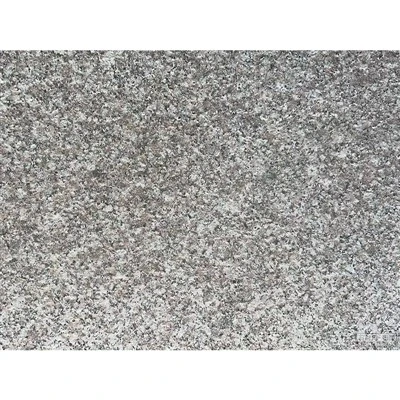
If you’re thinking about a project, big or small, and you want to talk through which type is right for you, hit us up to chat. We can show you samples, walk through the different finishes, and even help you figure out what’ll fit your budget. Don’t hesitate to reach out—we’re here to help, no matter how big or small the job is.
Granite Pavers References:
- American Stone Institute. (2021). Granite Quality Standards for Architectural Applications.
- Quarry Management Journal. (2022). Precision Processing of Dimension Stone for Commercial Construction.
- International Association of Monumental Builders. (2020). Durability Testing for Exterior Granite.
Suichang Yongheng Stone Industry Co., Ltd.
With abundant experience, we are one of the most professional granite architectural stone manufacturers and suppliers in China. We warmly welcome you to wholesale premium granite architectural stone in stock here and get quotation from our factory. We also accept customized orders.
Address: Liantou Stone Industrial Park, Yunfeng Street, Suichang County, Lishui City, Zhejiang Province
E-mail: m13567645214@163.com
WebSite: https://www.yonghengstone.com/
